Knowledge Hub
Deep dive into our expert trade and finance insights, organized by topic.
blog
How to Transfer Money from India to Another Country: Methods, RBI Rules & Costs
If you’ve ever tried sending money from India to another country for your child’s university fees, supporting family, paying a foreign freelancer, or settling an import invoice, you’ve probably felt the confusion first-hand. Between RBI rules, FEMA regulations, bank forms, purpose codes, and all the options (banks, Wise, Western Union, and now platforms like EximPe), it’s hard to know what’s actually the best and safest way to move your money. This guide breaks everything down in simple langua

50 Emerging Industries in India: 2026 Opportunity Map for Global Brands (And How to Get Paid)
If you’re a global brand, India is no longer a “someday” market, it’s one of the last truly large, fast‑growing consumer markets you can still enter early and meaningfully. Over the coming decades, the population is heading towards roughly 1.6 billion, but what matters more is the 300‑million‑plus Indians who already have the purchasing power to buy global products and subscriptions today. This middle class is not confined to Delhi, Mumbai, and Bengaluru. India’s consumer growth is decentralisi
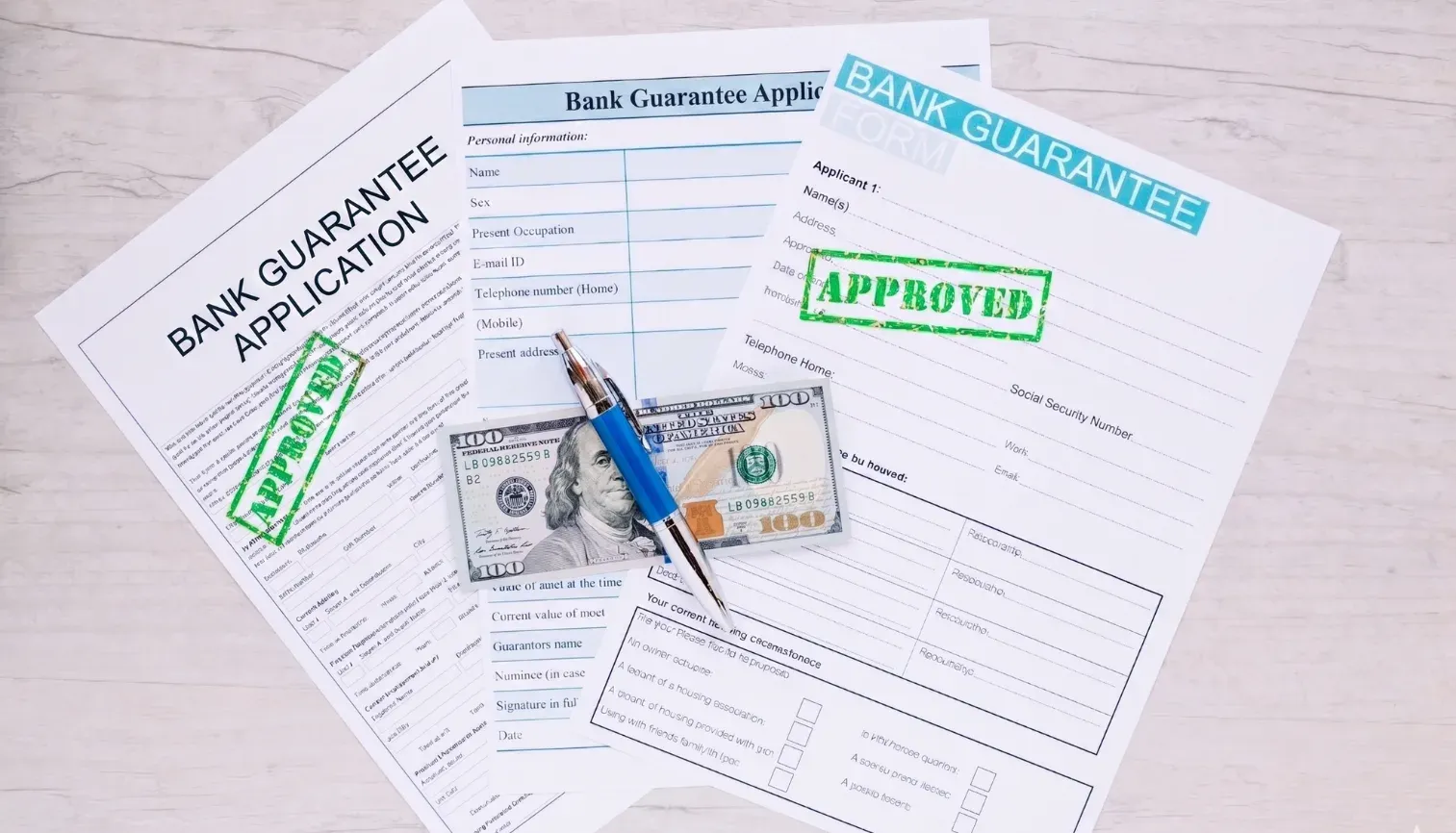
What Are Bank Guarantees, SBLCs, and Letters of Credit?
Bank guarantees, SBLCs and letters of credit are basically risk‑sharing tools that help importers and exporters trust each other across borders. They do this by pulling a bank into the middle of the deal so that someone reliable promises to pay if things go wrong. A letter of credit (LC) is a contractual commitment by a buyer’s bank to pay the exporter once the exporter ships the goods and presents compliant documents. A bank guarantee (BG) is a promise by a bank that if its customer does not
B2B Trade & Import-Export
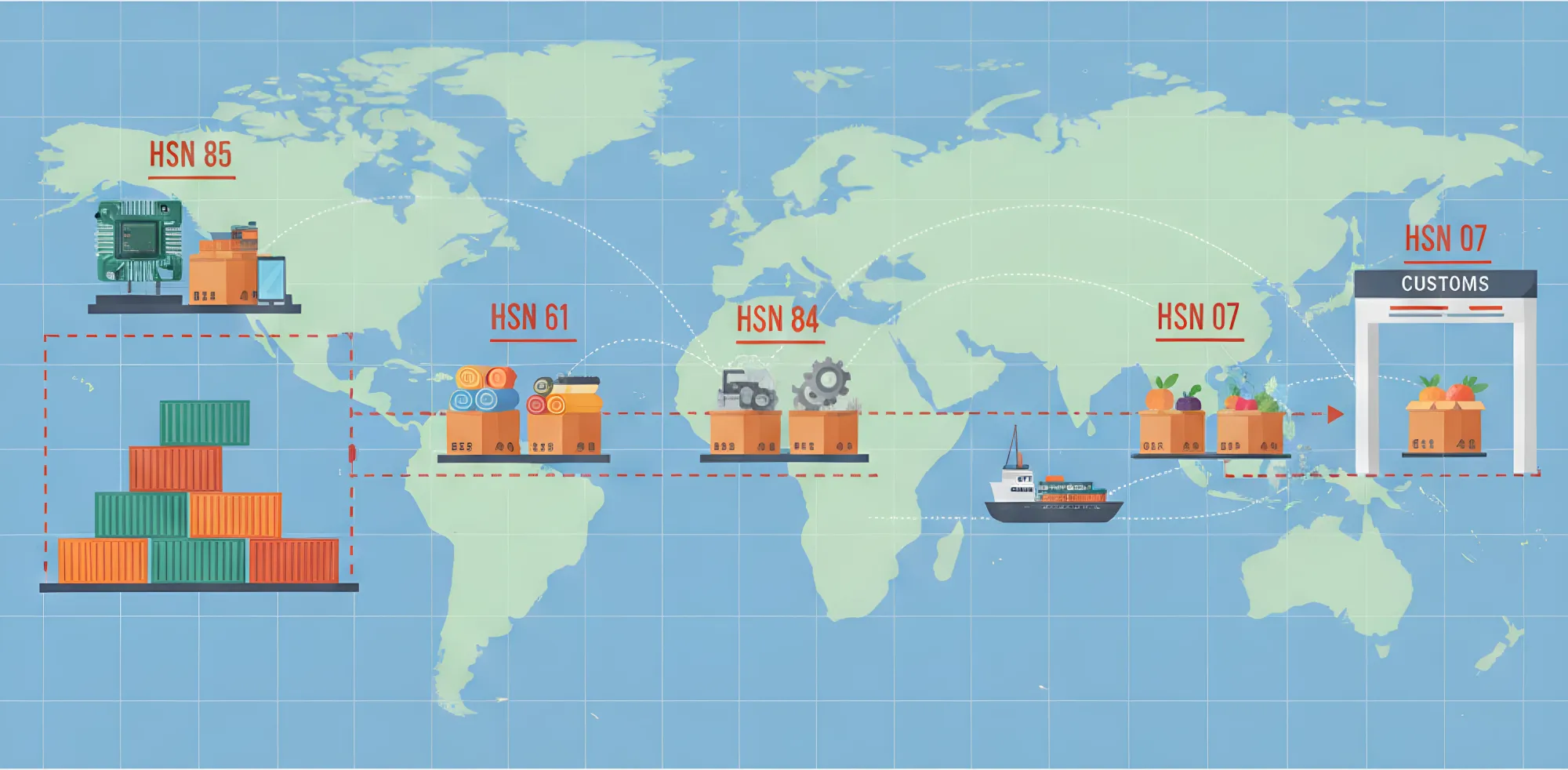
What is an HSN Code & How to find the Right One? Beginner’s Guide (2026)
If you are importing or exporting from India, your HSN code determines your customs duty, IGST, export incentives, and even whether your shipment is stopped at the port. The full form of HSN code is Harmonized System of Nomenclature, and using the wrong code can literally be the difference between paying 5% and 25% duty on the same product. What is an HSN Code? HSN code is a globally standardised numerical system used to classify goods in international trade. In simple words, it is the "prod
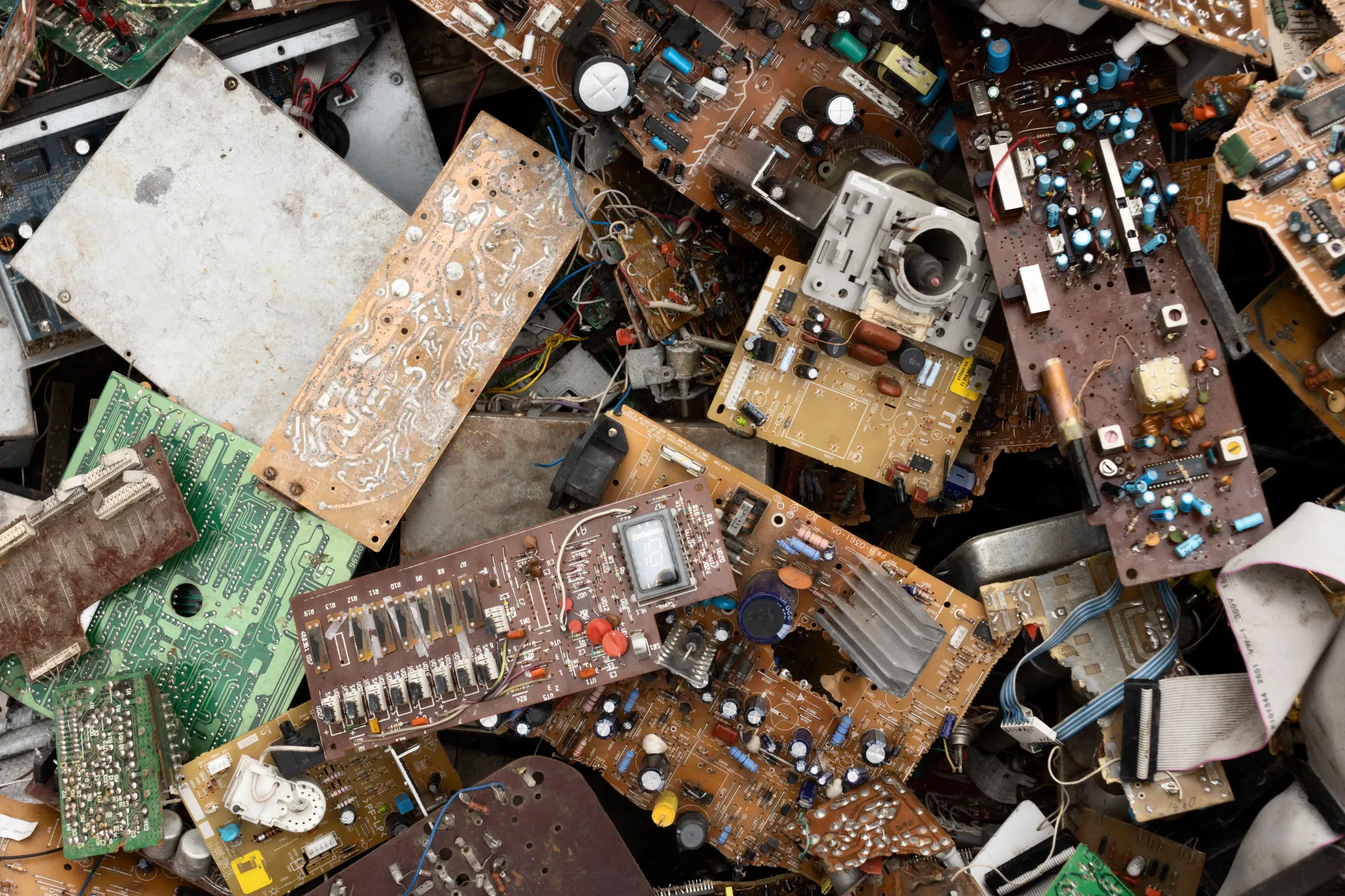
E‑Waste EPR for Electronics Importers in India (2026): Compliance Guide for Importers and Foreign Brands
India has become one of the world’s largest generators of electronic waste, with annual e‑waste volumes running into several million tonnes and growing sharply as device adoption soars. For electronics importers and foreign brands, this surge has translated into a new core compliance requirement: Extended Producer Responsibility (EPR) under the E‑Waste (Management) Rules 2022, now tightly integrated with customs clearance and CPCB’s online E‑waste EPR portal. What is e‑waste and Extended Produ

Importing Furniture & Home Decor into India: Fumigation, BIS & Duty
Furniture and home décor imports into India look straightforward on paper but are risky in practice because they combine plant health rules for wood and a relatively high customs duty structure. Importers who ignore fumigation, wood packaging and HS classification details often face Plant Quarantine (PQ) holds, re-fumigation costs, storage at port and unexpected duty impact on margins. Regulatory framework in India Imports of wooden furniture, bamboo products and decor are governed by the Pla
Payment Service Providers

INR Pricing for Global SaaS: Should You Charge Indian Customers in Rupees?
Indian customers are increasingly buying global SaaS and digital products, but many are still forced to pay in USD and absorb FX fees, GST on foreign services, and conversion losses from their INR income. As UPI and other local methods dominate Indian digital payments, the question for global SaaS, PSPs, and fintechs is simple: should you move to INR pricing and if yes, how do you still settle in USD/EUR while staying compliant? Why INR pricing matters now India is now one of the fastest‑grow
Shopify India UPI Payment Integration Guide for Global Stores (Without a Local Entity)
Global Shopify stores can now offer UPI‑first checkout to Indian buyers without setting up an Indian company, by plugging into RBI‑regulated Payment Aggregator – Cross Border (PA‑CB) providers that collect in INR and settle offshore in USD, EUR and other major currencies. India is now one of the world’s largest digital payments markets, with UPI handling well over 80% of all digital transaction volumes and processing more than 170 billion transactions in 2024 alone. For e‑commerce, UPI has beco
Collect Payments from India: The Complete Guide for Global Businesses, PSPs and Fintechs
Accepting payments from India is no longer a “nice to have” for global businesses and PSPs, it’s becoming a core growth channel that now requires a local, UPI‑first, RBI‑compliant strategy. Indian customers increasingly expect to pay in INR via UPI and other local methods, while foreign businesses want settlement offshore in hard currency and a simple way to stay within India’s new Payment Aggregator – Cross Border (PA‑CB) regime. Why accepting payments from India matters now India is one of
Payments & Finance
China+1 and India's Consumption Boom: How Money Is Flowing Out of India And Why PA-CB Will Redefine Cross-Border Payments
For two decades, global businesses looked to China as the factory of the world. Today, they're looking at India, not just as a production hub, but as a consumption powerhouse sending billions of dollars abroad every year. As India's private consumption reaches historic highs, the real story isn't just about money coming into India, it's about the unprecedented outward flows reshaping global payments, and how RBI's new Payment Aggregator – Cross Border (PA-CB) framework will determine who wins in
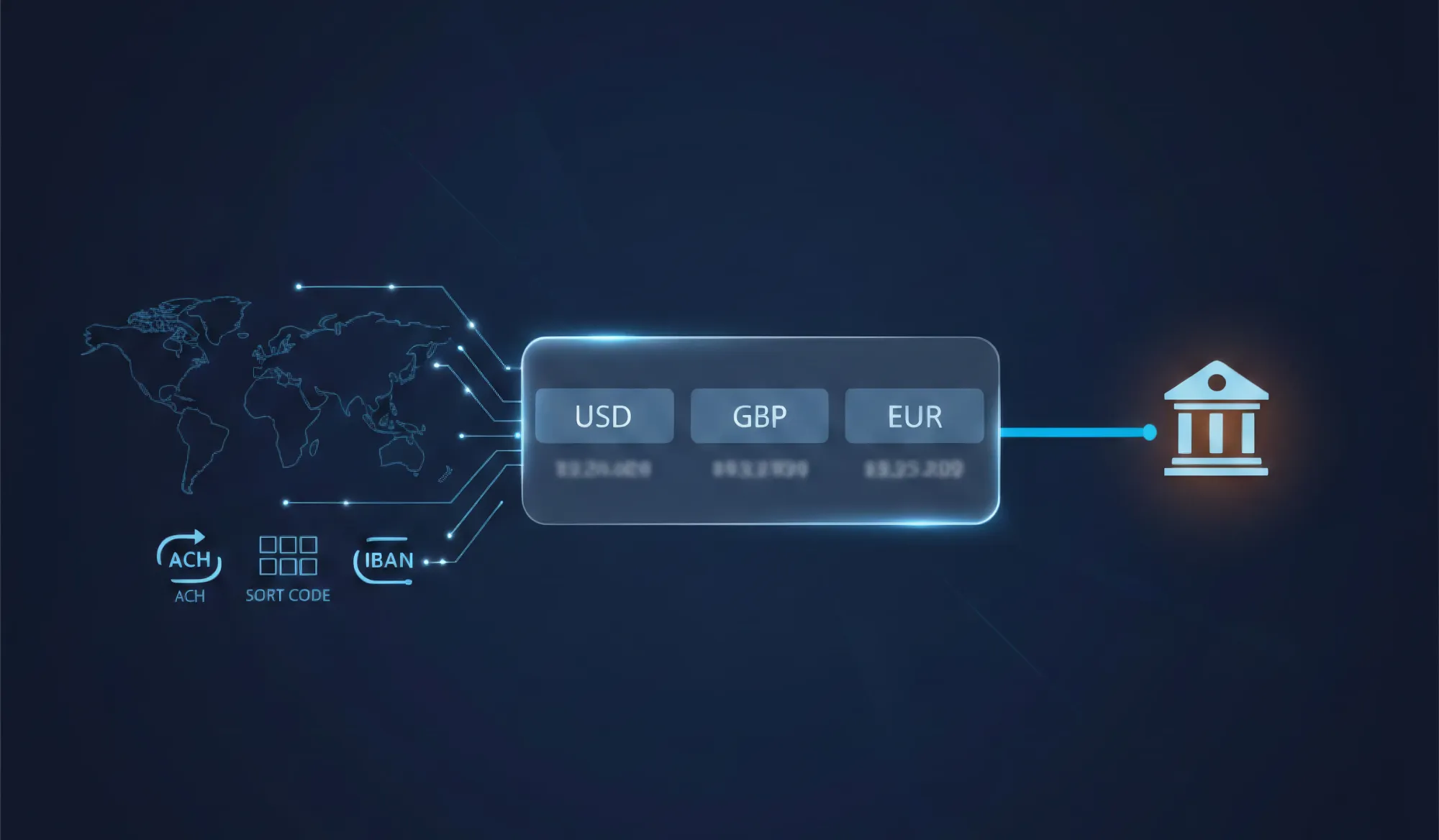
Virtual Bank Accounts: The Complete Guide to Meaning, Types & How They Work (2026)
A global virtual bank account gives your business a local bank account number in the US (ACH routing), UK (sort code), or Europe (IBAN) without opening a physical account in that country. Your international clients pay you like a local transfer. Funds convert and settle into your Indian bank account within 1-2 days, saving 50-75% on fees vs traditional SWIFT wires. What Is a Global Virtual Bank Account? A global virtual bank account is a fully digital bank account in a foreign currency (USD,
Topmate.io: Alternatives for International Payments, Earning Money & EximPe Comparison
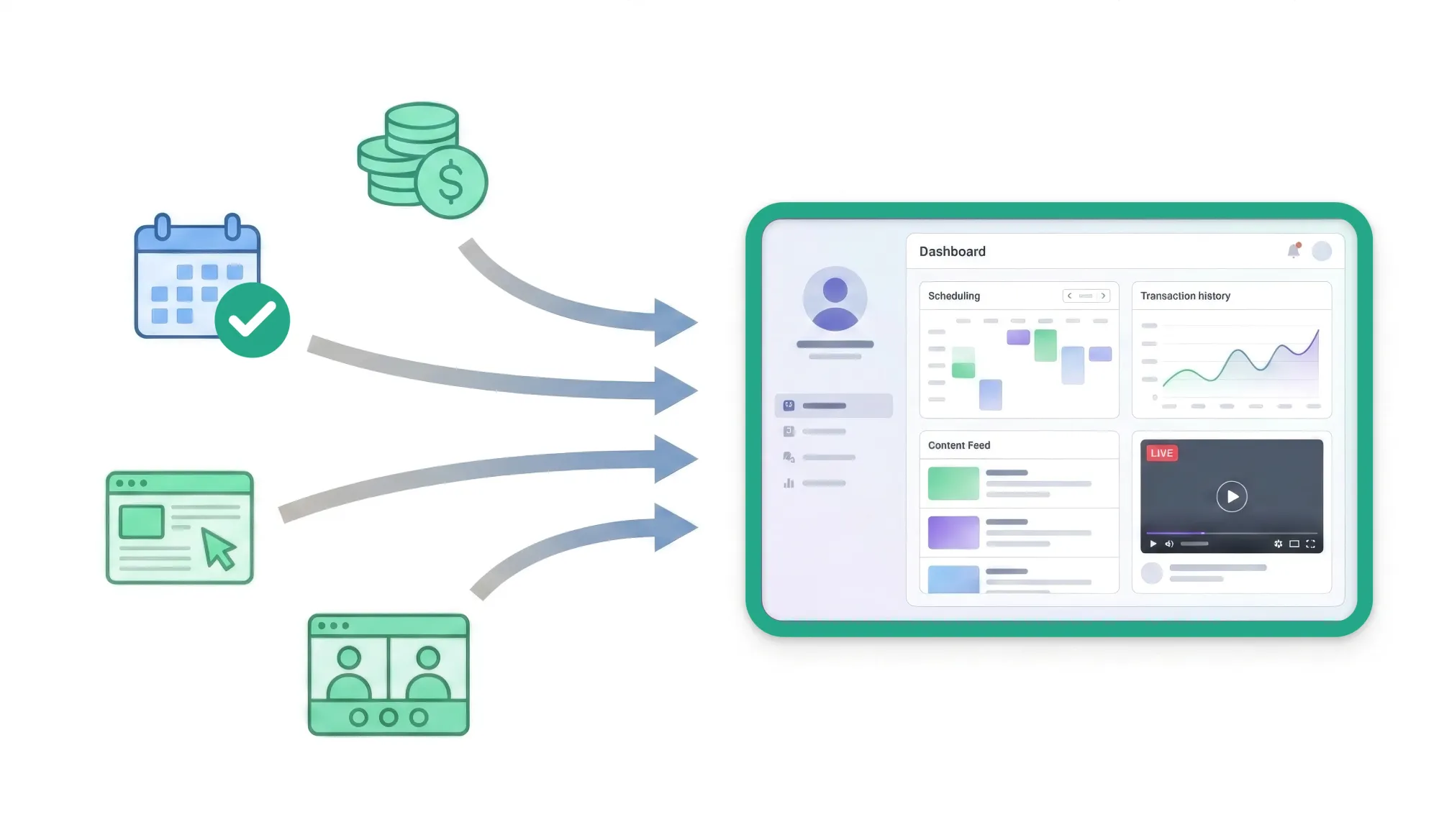
Topmate is an all-in-one platform that lets creators monetize their expertise through 1:1 calls, webinars, and digital products. But here's the honest truth, most creators earn virtually nothing. Success requires an existing social media following and genuine expertise. Let's break down whether it's actually worth your time. What Is Topmate.io? Topmate is a creator economy platform launched in 2020 that lets professionals package their knowledge into sellable services. Instead of juggling mul
Simplify Your International Payments
Skip the complexity of traditional wire transfers with EximPe's smart payment solutions
Lightning Fast
Complete international transfers in hours, not days, with real-time tracking
Bank-Grade Security
Multi-layer encryption and compliance with international banking standards
Global Reach
Send payments to 180+ countries with competitive exchange rates
Why Choose EximPe for International Payments?
EximPe Support
How can we help you with your global payments today?
Stay Informed with EximPe News
Subscribe to our newsletter for the latest updates on import-export regulations, market trends, and exclusive insights from industry experts.