blog
Browsing all posts under blog
How to Transfer Money from India to Another Country: Methods, RBI Rules & Costs
If you’ve ever tried sending money from India to another country for your child’s university fees, supporting family, paying a foreign freelancer, or settling an import invoice, you’ve probably felt the confusion first-hand. Between RBI rules, FEMA regulations, bank forms, purpose codes, and all the options (banks, Wise, Western Union, and now platforms like EximPe), it’s hard to know what’s actually the best and safest way to move your money. This guide breaks everything down in simple langua

50 Emerging Industries in India: 2026 Opportunity Map for Global Brands (And How to Get Paid)
If you’re a global brand, India is no longer a “someday” market, it’s one of the last truly large, fast‑growing consumer markets you can still enter early and meaningfully. Over the coming decades, the population is heading towards roughly 1.6 billion, but what matters more is the 300‑million‑plus Indians who already have the purchasing power to buy global products and subscriptions today. This middle class is not confined to Delhi, Mumbai, and Bengaluru. India’s consumer growth is decentralisi

What Are Bank Guarantees, SBLCs, and Letters of Credit?
Bank guarantees, SBLCs and letters of credit are basically risk‑sharing tools that help importers and exporters trust each other across borders. They do this by pulling a bank into the middle of the deal so that someone reliable promises to pay if things go wrong. A letter of credit (LC) is a contractual commitment by a buyer’s bank to pay the exporter once the exporter ships the goods and presents compliant documents. A bank guarantee (BG) is a promise by a bank that if its customer does not

Importing Pet Products into India: Rules, Permits, Duties & Compliance Guide (2026)
Indian pet parents are spending more on food, treats, accessories and vet care than ever before, but the regulatory lens on pet‑product imports has also become much sharper. Many of these products are either animal‑origin or veterinary in nature, so they sit at the intersection of animal‑health laws, food safety, drug control and customs rules instead of normal FMCG. This article focuses on commercial imports of pet products for resale and distribution, pet food, treats, toys, leashes, gadgets
Stripe for India: What Works, What Doesn’t, and Where Global Merchants Lose Indian Customers
If you already run your global stack on Stripe, India looks deceptively simple: turn on international cards, maybe UPI, and you’re done. In reality, India is now a UPI‑first market running on RBI‑specific rules and a new cross‑border regime (PA‑CB) that Stripe was never designed around. This article is for teams who trust Stripe globally, but are now looking at India seriously - SaaS founders, marketplaces, PSPs, and fintech infrastructure players who want to accept payments from India without
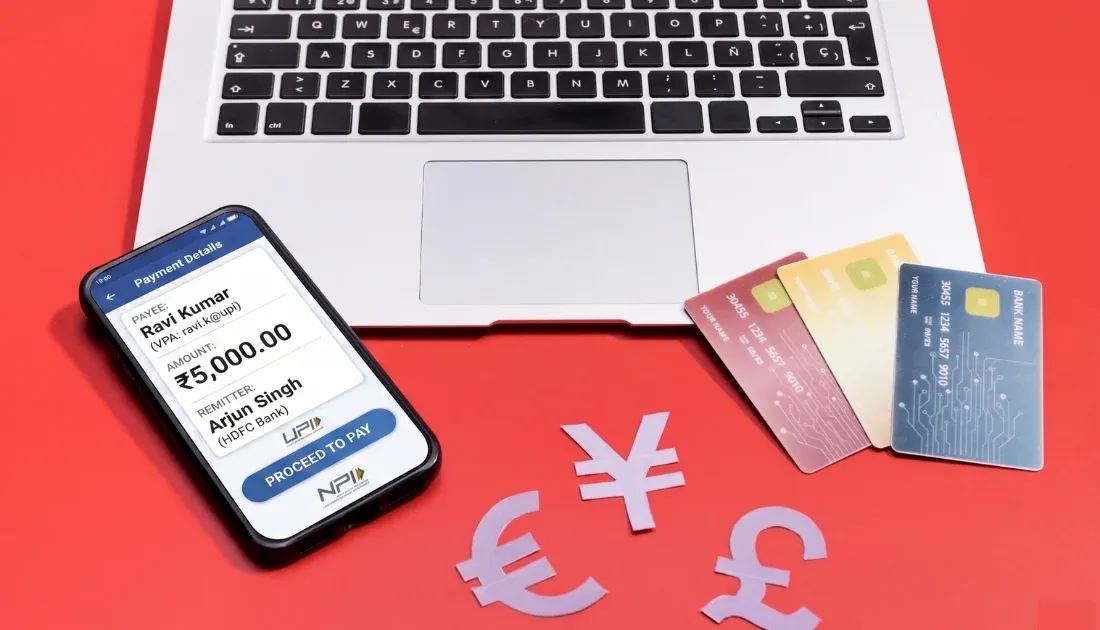
PayGlocal vs EximPe for Foreign Merchants: How Global Companies, PSPs and Fintechs Should Collect INR from India
India is now a market where serious foreign merchants treat “how do we collect INR via UPI and local methods, with offshore settlement, under RBI’s PA‑CB regime?” as a core strategy question, not a side project. PayGlocal and EximPe both sit in this new, regulated layer, the choice between them is less about “is this legal?” and more about whether your India checkout is card‑first or UPI‑first. Why INR collections from India now matter India is one of the fastest‑growing digital economies, wi
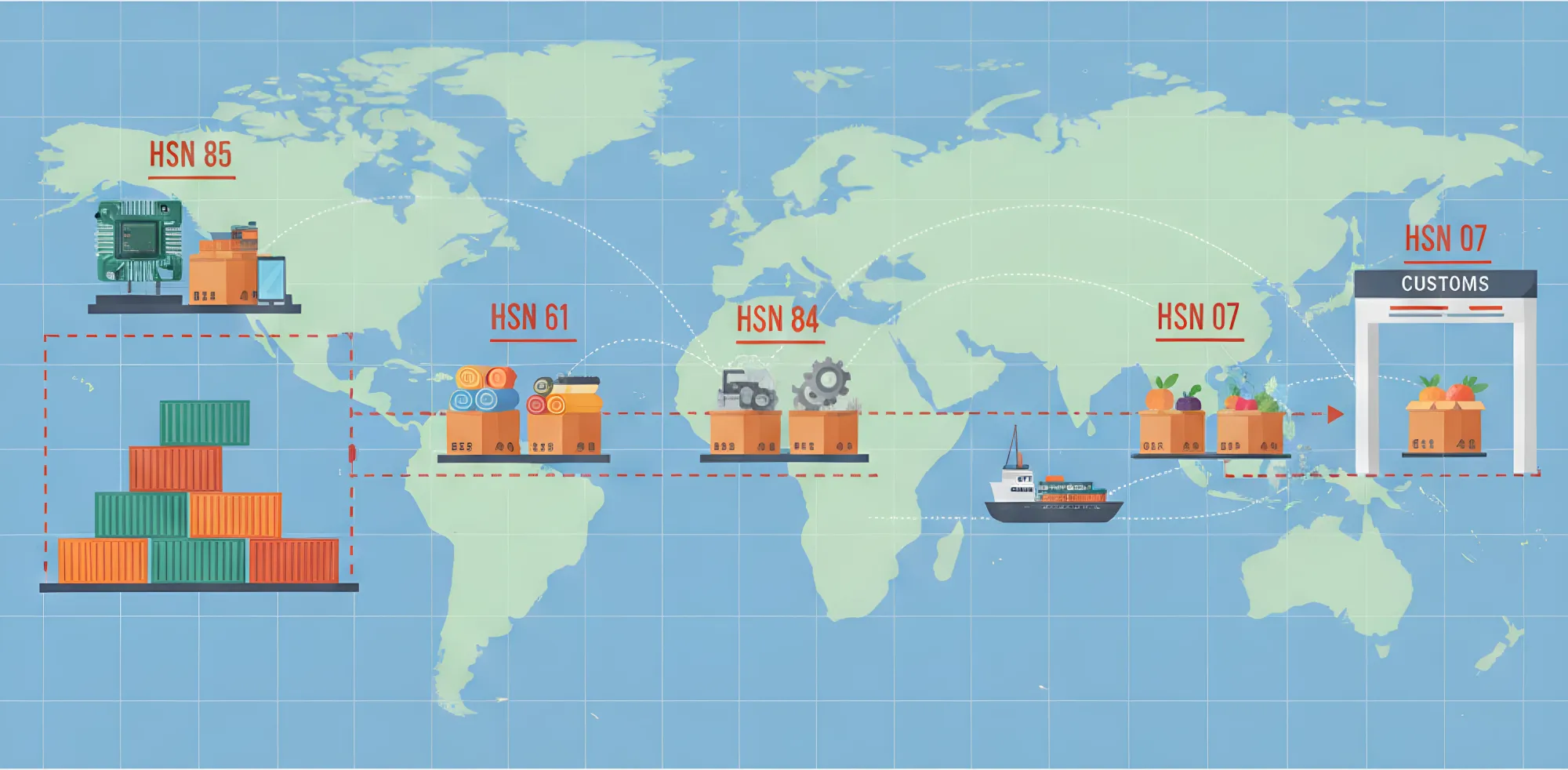
What is an HSN Code & How to find the Right One? Beginner’s Guide (2026)
If you are importing or exporting from India, your HSN code determines your customs duty, IGST, export incentives, and even whether your shipment is stopped at the port. The full form of HSN code is Harmonized System of Nomenclature, and using the wrong code can literally be the difference between paying 5% and 25% duty on the same product. What is an HSN Code? HSN code is a globally standardised numerical system used to classify goods in international trade. In simple words, it is the "prod
Razorpay vs EximPe for Foreign Merchants: PA‑CB Guide to Receiving Payments from India
India has quietly become one of the hardest markets to “get right” for foreign merchants: UPI is now the default way to pay, RBI has introduced a dedicated Payment Aggregator – Cross Border (PA‑CB) licence, and global card‑only setups simply don’t convert well anymore. At the same time, both Razorpay and EximPe now hold RBI PA‑CB authorisation and let foreign businesses collect from Indian customers in INR and settle into overseas bank accounts without a local entity. This article compares Razo
PayPal in India for Foreign Merchants: What Works, What’s Restricted, and Better Alternatives
If you treat India as “just another card market”, you will systematically underestimate how much revenue you can unlock here. UPI has become India’s default way to pay, with reports showing around 500 million users and tens of millions of merchants using it daily. At the same time, India’s cross‑border commerce is growing across SaaS, e‑commerce, digital content and B2B services, which makes “accept payments from India” a real product requirement for global companies, PSPs and fintechs. PayPal

LMPC Certificate for Importers: Meaning, Process, Penalties & Practical Guide (2026)
Imagine this: your first container of beautifully packed home decor lands at Nhava Sheva. Freight is paid, Bill of Entry is filed, duty is ready. But the consignment is suddenly held because the importer doesn’t have an LMPC certificate and the labels are missing the Indian importer’s details. Situations like this are becoming common as customs tightens enforcement of Legal Metrology Packaged Commodities (LMPC) rules for imported pre‑packaged goods. The LMPC certificate for importers is a regis

How Indian Importers Pay Overseas Suppliers: TT, LC, Open Account, Supplier’s Credit & More
Let's start with an example, Imagine this - An Indian importer in Delhi finalises a USD 80,000 deal for machine parts.The supplier insists on full advance TT, the importer’s bank suggests a Letter of Credit (LC). If he pays 100% in advance via TT and the shipment gets delayed or never leaves the port, his working capital is stuck and legal recovery becomes a nightmare. If he uses an LC without understanding documentation, a single discrepancy in the Bill of Lading or invoice can delay payment
Marine Insurance for Importers: Meaning, Types, Coverage, Claims & India-Specific Guide
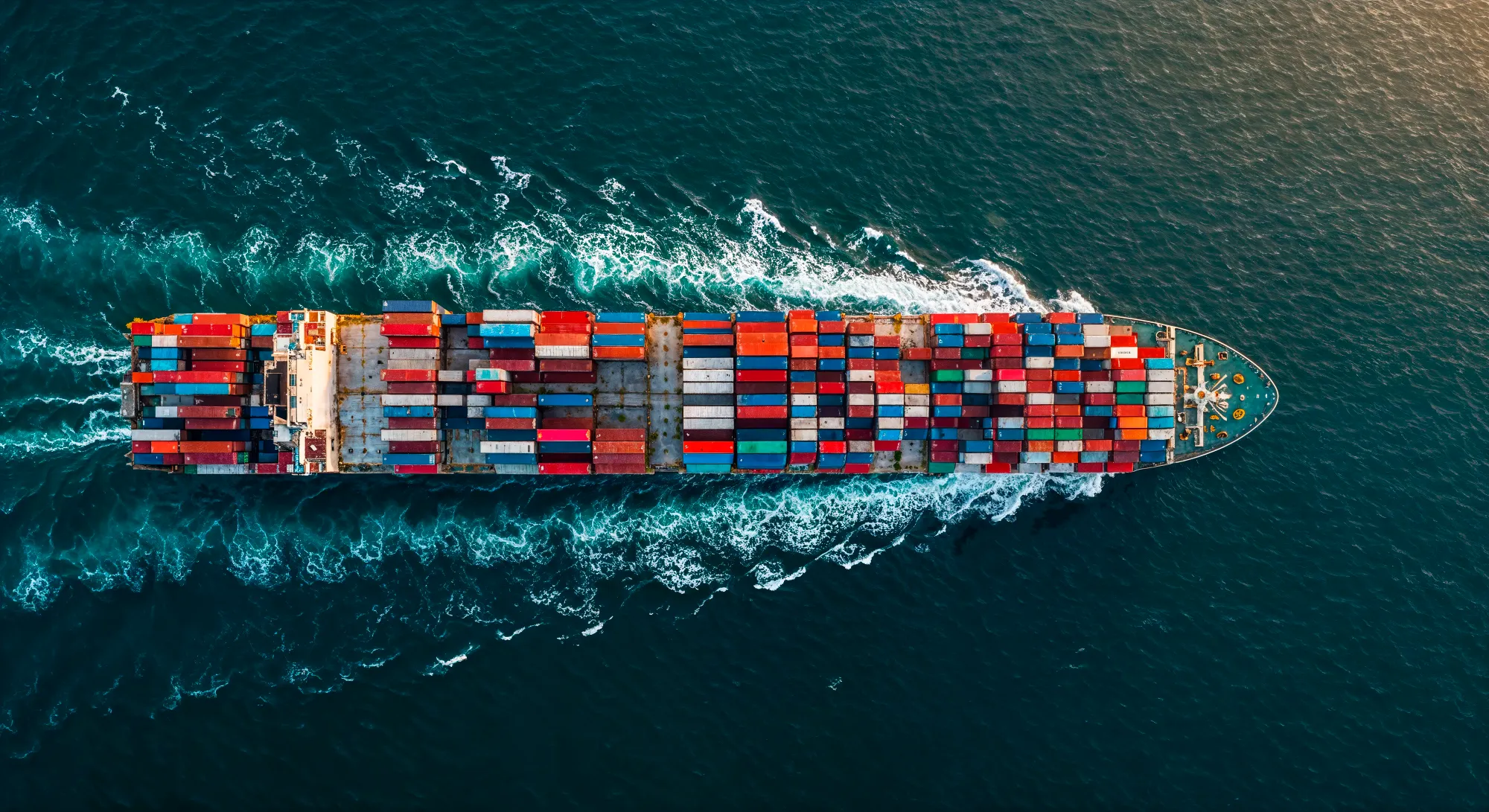
An Indian importer brings in a container of electronics from China, worth ₹80 lakh. During the voyage, the container is exposed to heavy weather, water seeps in, and a big part of the cargo is damaged. The shipping line points to its limited liability and offers only a fraction of the loss, leaving the importer with a huge financial hit. This is exactly the kind of situation where marine insurance protects importers from serious cash-flow and business risk. In simple terms, marine insurance is
RoDTEP Scheme in 2026: Meaning, Rates, Claim Process & Practical Guide for Exporters
If you are exporting from India in 2026, RoDTEP is now a non-negotiable part of your pricing and margin planning. It replaces MEIS for most products, refunds embedded taxes that were earlier stuck in your cost, and is confirmed to continue at existing rates at least till 30 September 2026. RoDTEP stands for Remission of Duties and Taxes on Exported Products and is India’s main WTO-compliant export remission scheme, designed to refund hidden central, state and local levies that are not refunded
Top 10 Import Export Companies in India (2026 Edition)
India’s top import‑export companies in 2026 are a mix of legacy conglomerates like Reliance and Tata Steel, sector specialists like Sun Pharma and Kiran Gems, and digital trade enablers like EximPe. If you run an export‑import business, knowing these players helps you benchmark, find partners, and design a smarter trade strategy. India’s Trade Landscape in 2026 India has over 17,800 registered import‑export businesses, with the highest concentration in Maharashtra and Gujarat, followed by Tam
What Does India Import from China? Profitable Products, Trade Data & How to Import in 2026
India now imports well over USD 100 billion worth of goods from China every year, and that number has only grown with India’s consumption boom and manufacturing push. This guide breaks down what India imports from China, which Chinese products in India are actually profitable, and a simple playbook on how to import from China to India. India-China Trade at a Glance: 2024–2026 India-China bilateral trade hit a record USD 155.6 billion in 2025, growing over 12% year‑on‑year, making China one o
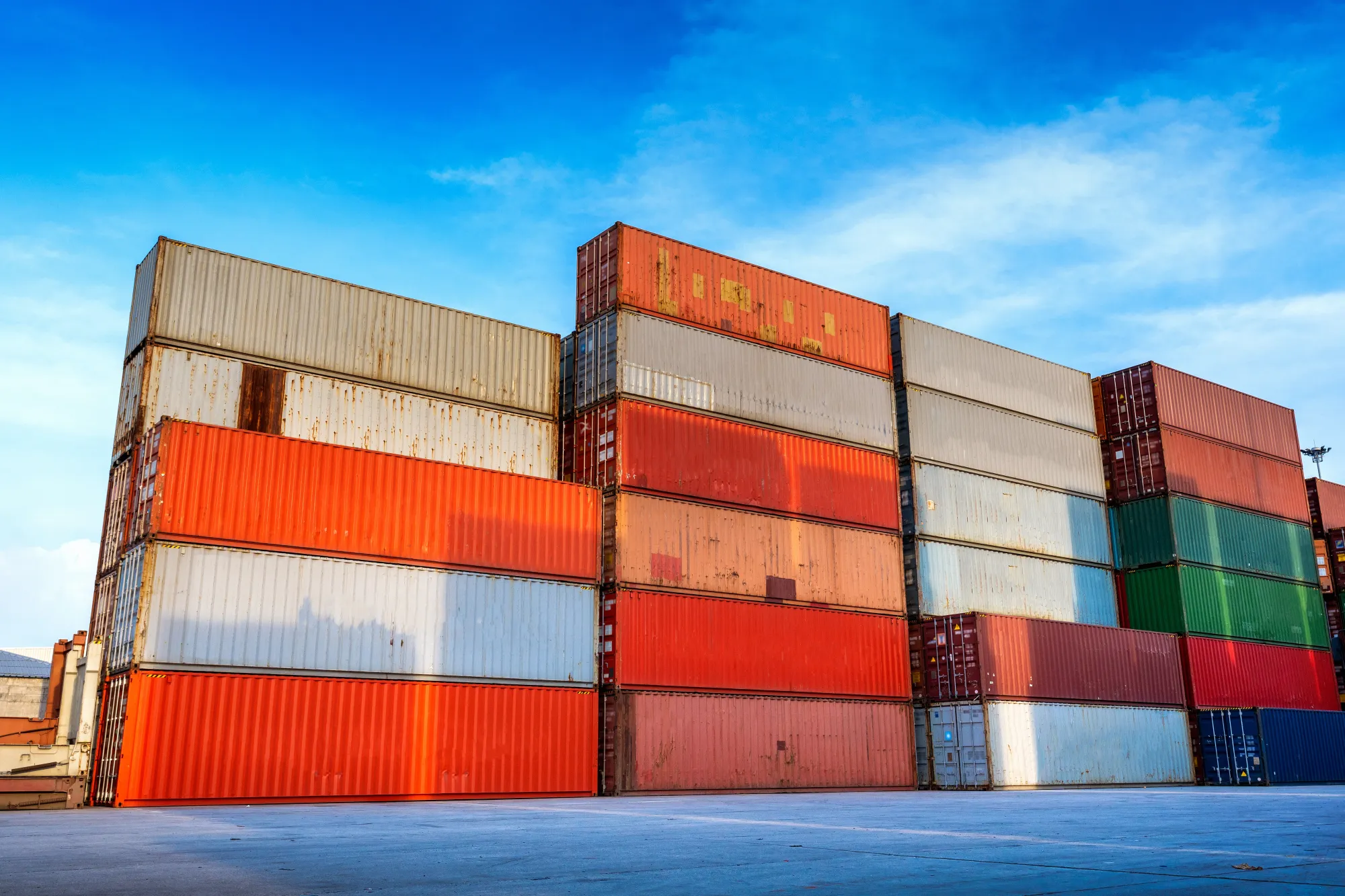
Demurrage, Detention & Ground Rent: Meaning, Charges & How to Reduce Them
Unexpected demurrage, detention and ground rent can turn a profitable import into a loss‑making deal for Indian SMEs. These charges usually hit late in the cycle, after cargo has already arrived, when you have the least room to react. Because they are slab‑wise and daily, demurrage and ground rent at ports/CFS/ICDs, plus container detention with the shipping line, can quickly erode margins and cause major cash‑flow shocks. What Is Detention? (Detention Charges in Shipping) Detention charges
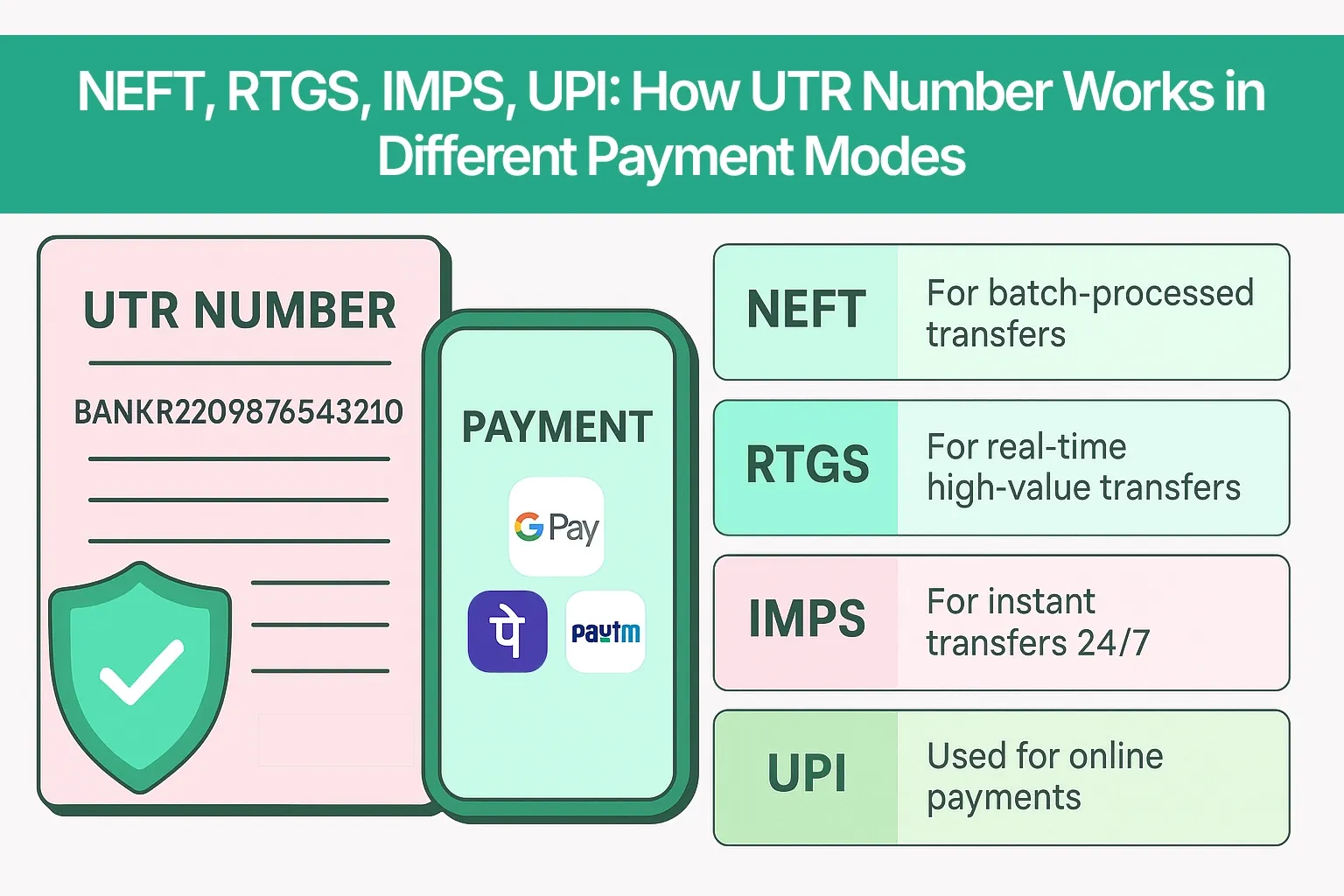
UTR Number in Banking: Full Form, Meaning, Format & How to Find It (NEFT, RTGS, IMPS, UPI)
Every time you send money via NEFT, RTGS, IMPS or UPI in India, the transaction gets a unique code called a UTR number or an equivalent reference. This is what banks use to track your payment, confirm its status, and resolve issues when something goes wrong. If your salary is delayed, a client wants proof of payment, or a UPI transfer is “pending”, the UTR or reference number is usually the first thing people will ask for. What does UTR number mean in banking? UTR full form and meaning The
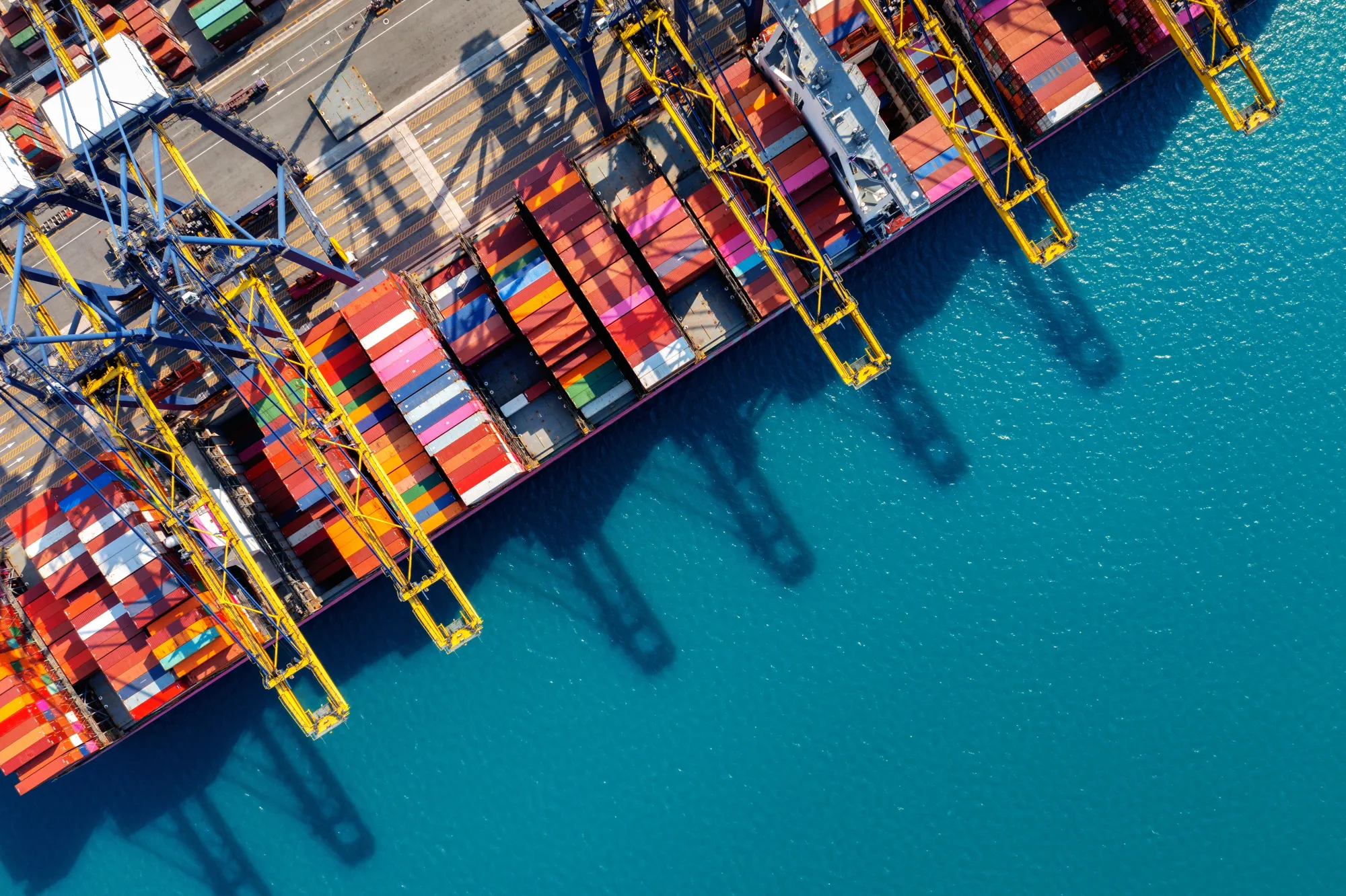
Import by Air vs Sea: Cost, Time & Documentation Compared (Practical Guide for Indian Importers)
Many importers compare only the base freight quote (air rate per kg vs ocean freight per container) and ignore port/airport handling, CFS/ICD charges, demurrage/detention and the duty‑plus‑IGST stack that is calculated on CIF value (including freight). These extra layers often decide whether a shipment is actually profitable, especially for lower‑margin products. In India, customs duty and IGST are calculated on the assessable value, which includes product cost + freight + insurance + specified

UPI AutoPay for SaaS: Setup, Limits, and What Global Founders Need to Know
UPI now accounts for roughly 80%+ of India’s retail digital payment transactions by volume, making it the default way Indian consumers expect to pay online. For many younger customers, a checkout without UPI looks “broken,” especially for recurring OTT, SaaS, and utility payments. UPI AutoPay is now the most local-friendly way for global SaaS, PSPs, and fintech platforms to run subscriptions in India, but you need to understand how mandates, limits, and cross-border rules work before you scale
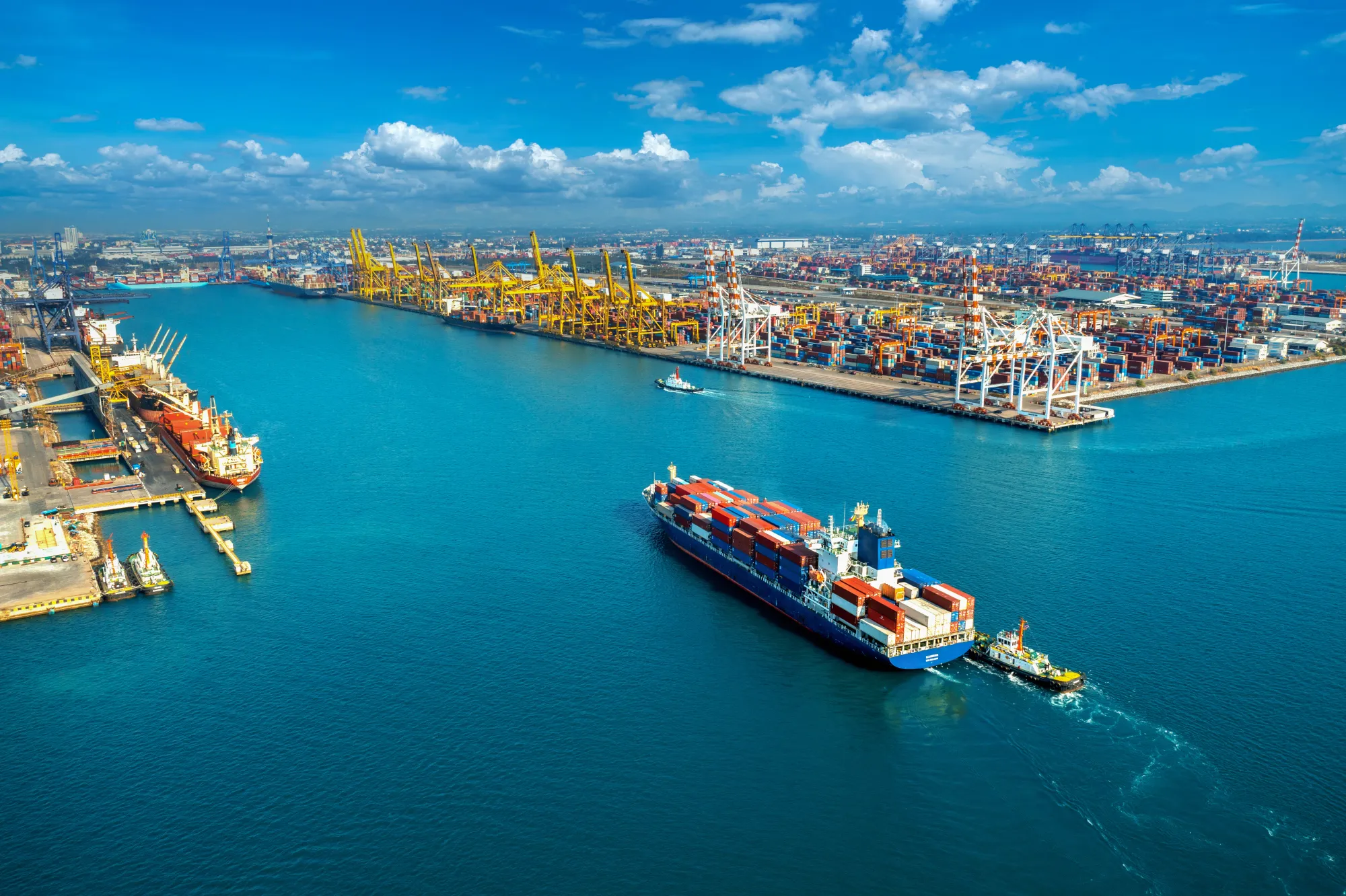
Faceless Assessment, FAG & PAG Explained: How Online Customs Scrutiny Works for Import–Export Businesses
Faceless assessment in Indian Customs means your Bill of Entry is scrutinised online by virtual customs officers located anywhere in India, instead of only by officers at your port of import. It is part of CBIC’s Turant Customs programme to make clearance faster, paperless, and more uniform across ports. With faceless assessment, most scrutiny of your Bill of Entry (BoE) now happens virtually through a national network of officers rather than only your local Customs House. This reduces physical

How Global SaaS Companies Can Accept Subscription Payments from Indian Customers
India is an explosive growth market for SaaS and digital services, but recurring billing here follows its own rules. To accept subscriptions smoothly, global SaaS companies must design payment flows that respect Reserve Bank of India (RBI) regulations on e‑mandates, card tokenisation, and outward remittances while matching local customer expectations such as UPI and netbanking. India now accounts for the majority of the world’s real‑time digital payment transactions and a dominant share of its
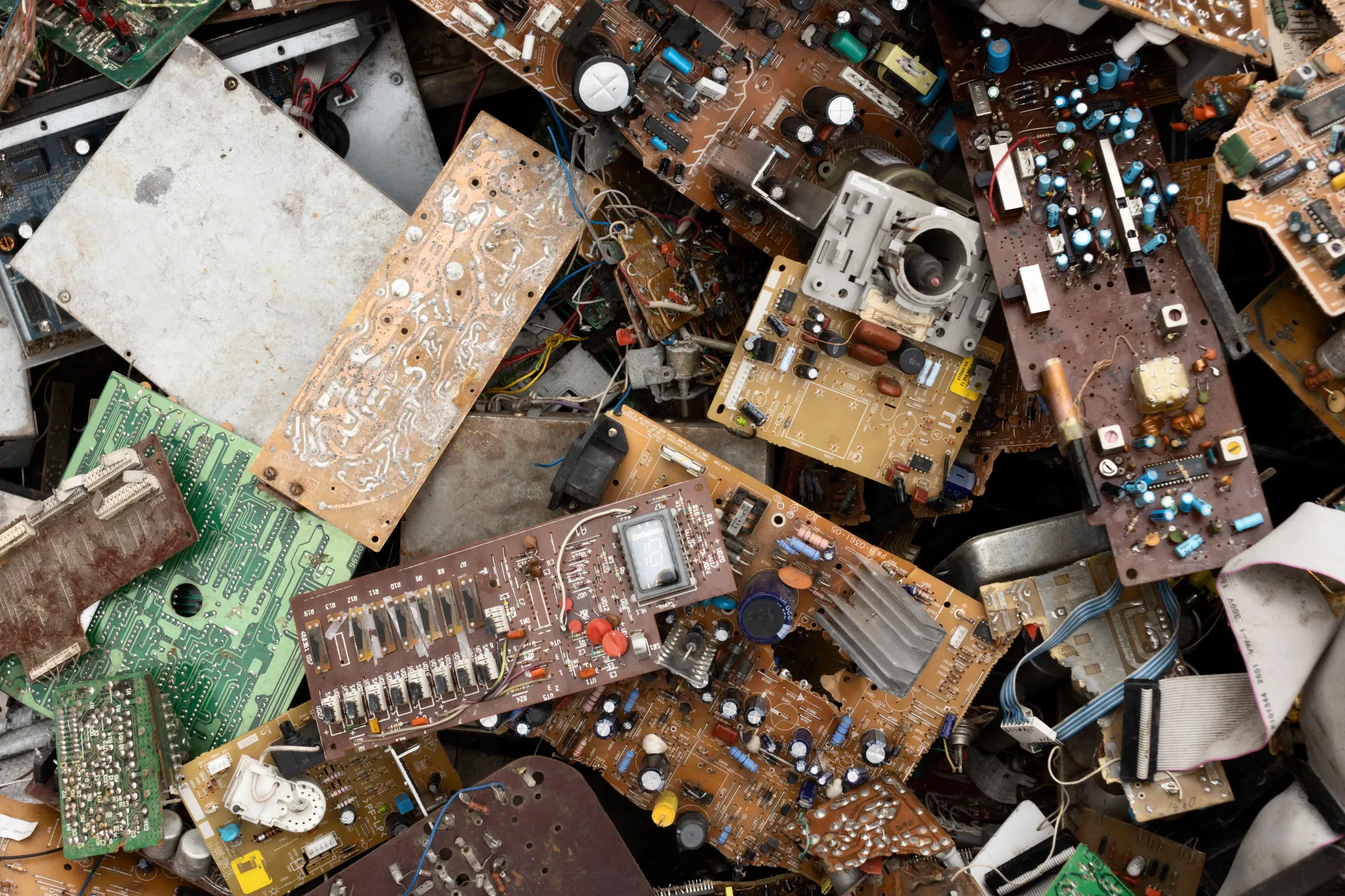
E‑Waste EPR for Electronics Importers in India (2026): Compliance Guide for Importers and Foreign Brands
India has become one of the world’s largest generators of electronic waste, with annual e‑waste volumes running into several million tonnes and growing sharply as device adoption soars. For electronics importers and foreign brands, this surge has translated into a new core compliance requirement: Extended Producer Responsibility (EPR) under the E‑Waste (Management) Rules 2022, now tightly integrated with customs clearance and CPCB’s online E‑waste EPR portal. What is e‑waste and Extended Produ

INR Pricing for Global SaaS: Should You Charge Indian Customers in Rupees?
Indian customers are increasingly buying global SaaS and digital products, but many are still forced to pay in USD and absorb FX fees, GST on foreign services, and conversion losses from their INR income. As UPI and other local methods dominate Indian digital payments, the question for global SaaS, PSPs, and fintechs is simple: should you move to INR pricing and if yes, how do you still settle in USD/EUR while staying compliant? Why INR pricing matters now India is now one of the fastest‑grow

Importing Furniture & Home Decor into India: Fumigation, BIS & Duty
Furniture and home décor imports into India look straightforward on paper but are risky in practice because they combine plant health rules for wood and a relatively high customs duty structure. Importers who ignore fumigation, wood packaging and HS classification details often face Plant Quarantine (PQ) holds, re-fumigation costs, storage at port and unexpected duty impact on margins. Regulatory framework in India Imports of wooden furniture, bamboo products and decor are governed by the Pla
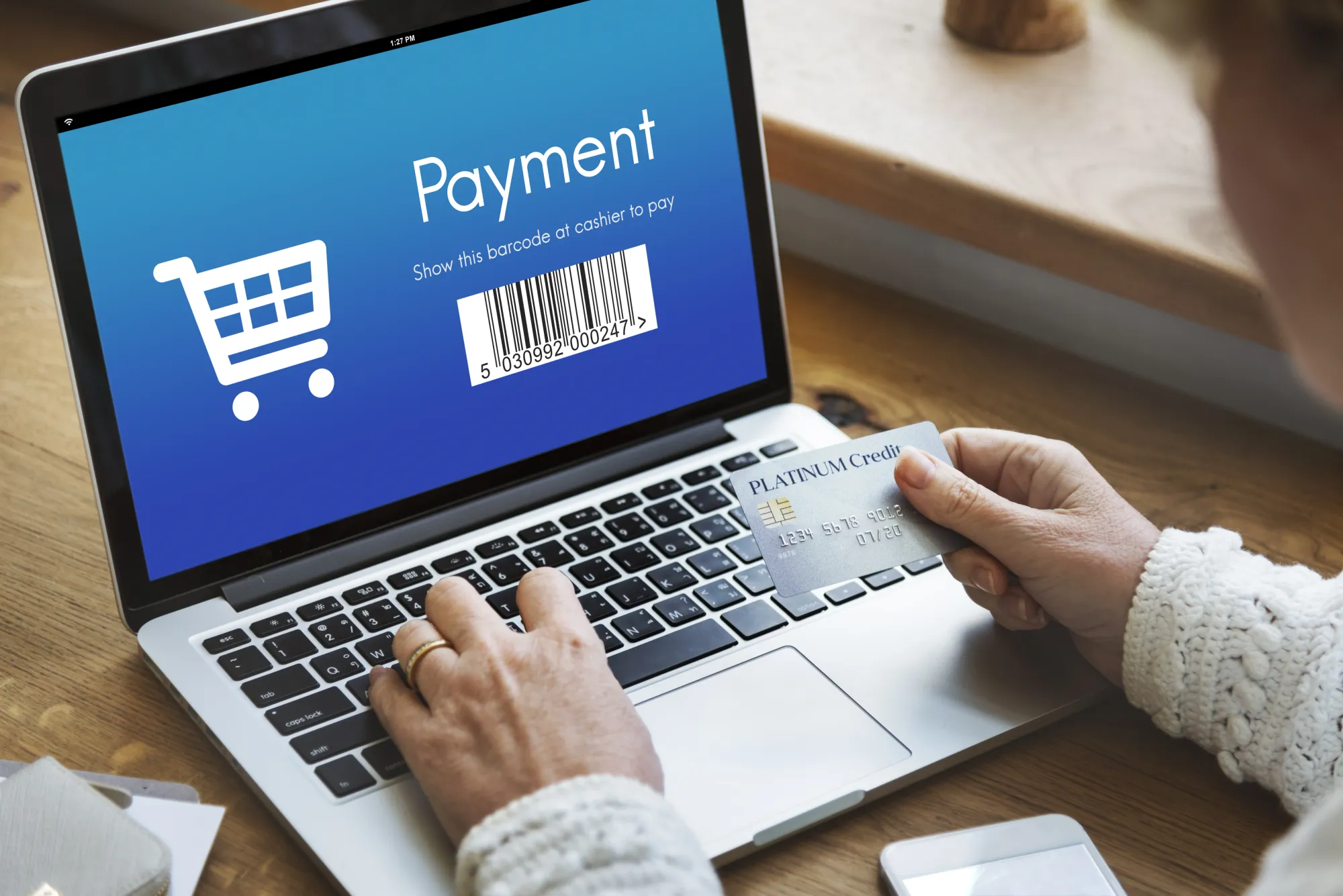
Shopify India UPI Payment Integration Guide for Global Stores (Without a Local Entity)
Global Shopify stores can now offer UPI‑first checkout to Indian buyers without setting up an Indian company, by plugging into RBI‑regulated Payment Aggregator – Cross Border (PA‑CB) providers that collect in INR and settle offshore in USD, EUR and other major currencies. India is now one of the world’s largest digital payments markets, with UPI handling well over 80% of all digital transaction volumes and processing more than 170 billion transactions in 2024 alone. For e‑commerce, UPI has beco
IGST on Imports vs GST on Domestic Purchases: Input Credit, Refund & Common Mistakes (For Indian Import‑Export Businesses)
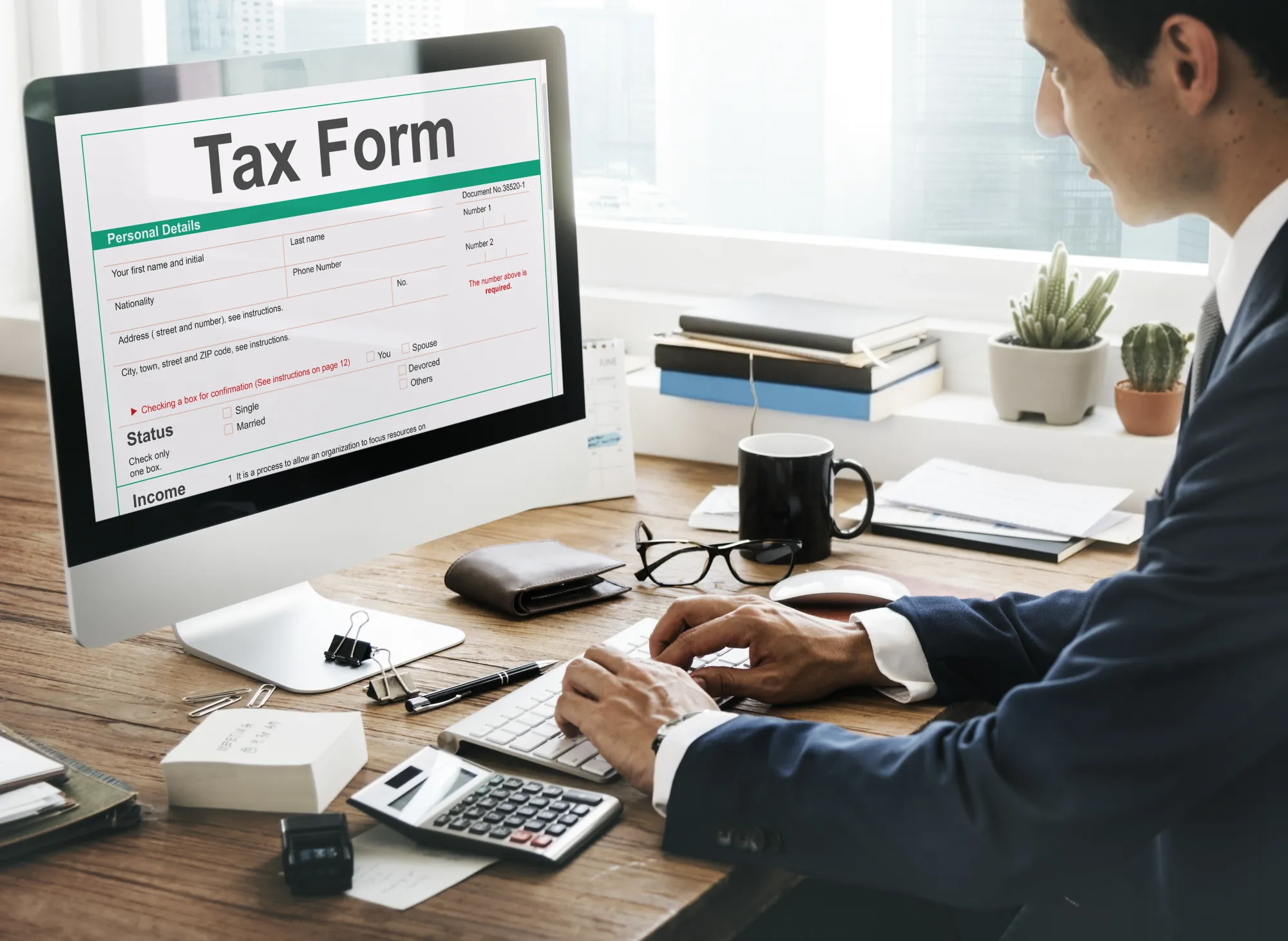
For most Indian import‑export companies, IGST paid at customs is not a permanent cost but a cash‑flow item that can be neutralised through input tax credit (ITC) and, for exporters, refunds. The challenge is understanding how IGST on imports differs from GST on domestic purchases, how ITC flows through GSTR‑2B and GSTR‑3B, and where mistakes typically block credit or refunds. Why IGST on imports matters Before GST, imports suffered multiple indirect taxes like CVD and SAD, which had their own
Collect Payments from India: The Complete Guide for Global Businesses, PSPs and Fintechs
Accepting payments from India is no longer a “nice to have” for global businesses and PSPs, it’s becoming a core growth channel that now requires a local, UPI‑first, RBI‑compliant strategy. Indian customers increasingly expect to pay in INR via UPI and other local methods, while foreign businesses want settlement offshore in hard currency and a simple way to stay within India’s new Payment Aggregator – Cross Border (PA‑CB) regime. Why accepting payments from India matters now India is one of
How to Import Electronics and Consumer Goods from China to India
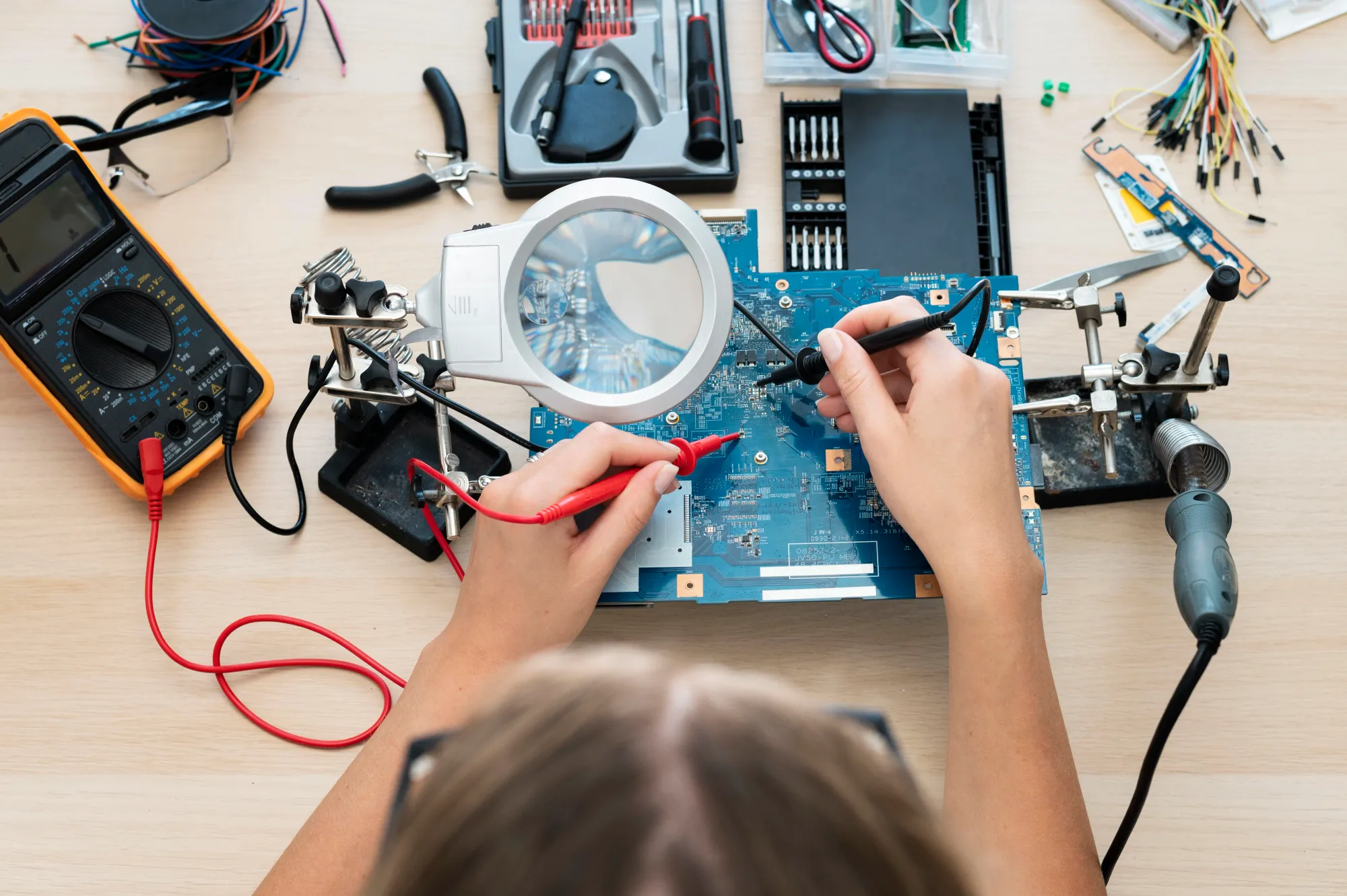
India is one of the world’s fastest‑growing markets for smartphones, laptops, LED lighting, small appliances, and lifestyle gadgets, and China is the primary external source for many of these products. Electronics alone account for tens of billions of dollars in annual imports from China and Hong Kong, covering everything from integrated circuits and batteries to consumer devices. For Indian brands, D2C sellers, retailers, and OEMs, importing electronics and consumer goods from China can unlock

The Complete List of RBI PA‑CB Licensees in India (2026): A Practical Guide for Global Companies, PSPs & Fintechs Receiving Payments from India
India’s new Payment Aggregator – Cross Border (PA‑CB) framework has created a regulated “entry door” for global companies, PSPs and fintechs that want to collect money from Indian customers in a compliant way. This blog summarises what PA‑CB licences are, how many licensees exist as of early 2026, who the key players are, and how global firms can plug into these rails. For global companies, PSPs and fintechs that want to collect online payments from Indian customers, only RBI‑authorised PA‑CBs
CFS vs ICD vs Seaport vs Airport: How Your Choice Impacts Import Costs, Speed & Compliance
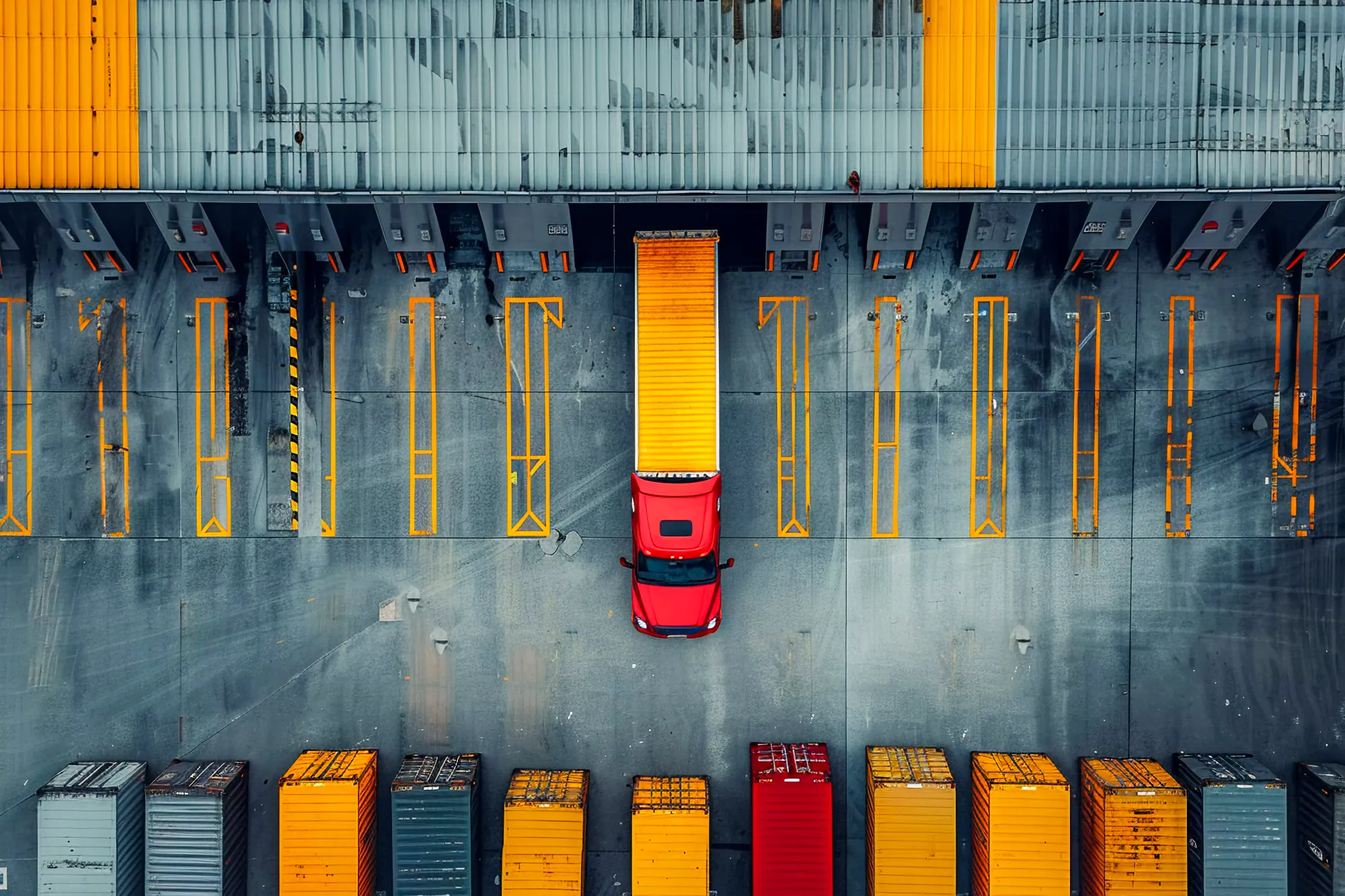
Choosing whether your shipment routes via a CFS, ICD, seaport terminal or airport cargo complex directly affects your landed cost, clearance speed, customs risk and working capital cycle as an importer into India. Most Indian importers focus on ocean or air freight rates and Incoterms, but a large part of the real cost sits in what happens after the vessel or aircraft arrives. Where your container or pallet is held, port yard, CFS, ICD or airport cargo terminal decides storage charges, inspecti

PA‑CB License: The Complete Guide for Global Payment Companies & PSPs
India‑linked cross‑border payments are scaling fast, and the Reserve Bank of India (RBI, India’s central bank) has responded by directly regulating non‑bank cross‑border payment aggregators through a new Payment Aggregator. Cross Border (PA‑CB) framework. For global PSPs, wallets, marketplaces and SaaS platforms, PA‑CB is now the primary on‑ramp to serve Indian exporters and importers in a clearly regulated way. Why PA‑CB Matters for Global Payment Companies Over the last decade, Indian freel
Related Party Imports & Special Valuation Branch (SVB): A Complete 2026 Guide for Indian Subsidiaries
Indian Customs pays special attention when an Indian subsidiary, JV, or distributor imports from its own foreign group entity, because related parties can under‑ or over‑invoice to shift profits or reduce customs duty. The Special Valuation Branch (SVB) is the specialist unit that checks whether such related‑party prices are at arm’s length or influenced by the relationship. This guide explains, in practical terms, when SVB applies, how the process works, and what Indian importers and their fore
Alibaba vs Global Sources vs Trade Shows: Where Should Indian Importers Really Source Products?
If you’re an Indian importer, your sourcing journey probably started on Alibaba. Then you heard about Global Sources. Then you saw people on YouTube vlogging from Canton Fair and Global Sources Hong Kong and now you’re wondering: “Do I really need to fly to China, or can I build a serious import business sitting in India with just a laptop?” This article doesn’t just explain what Alibaba or Global Sources are. It shows when Alibaba is enough, when Global Sources makes more sense, and when it’s
Types of Bill of Entry in India: Complete Guide for Importers (2026)
If you are importing into India in 2026, understanding the different types of Bill of Entry is very important. The type you choose affects when you pay customs duty, whether you can use a bonded warehouse, and how quickly your imported goods get customs clearance. A Bill of Entry (BOE) in India is the legal declaration importers file under Section 46 of the Customs Act, 1962 to get goods cleared through customs, and the type you directly affects when you pay duty, whether you can warehouse good
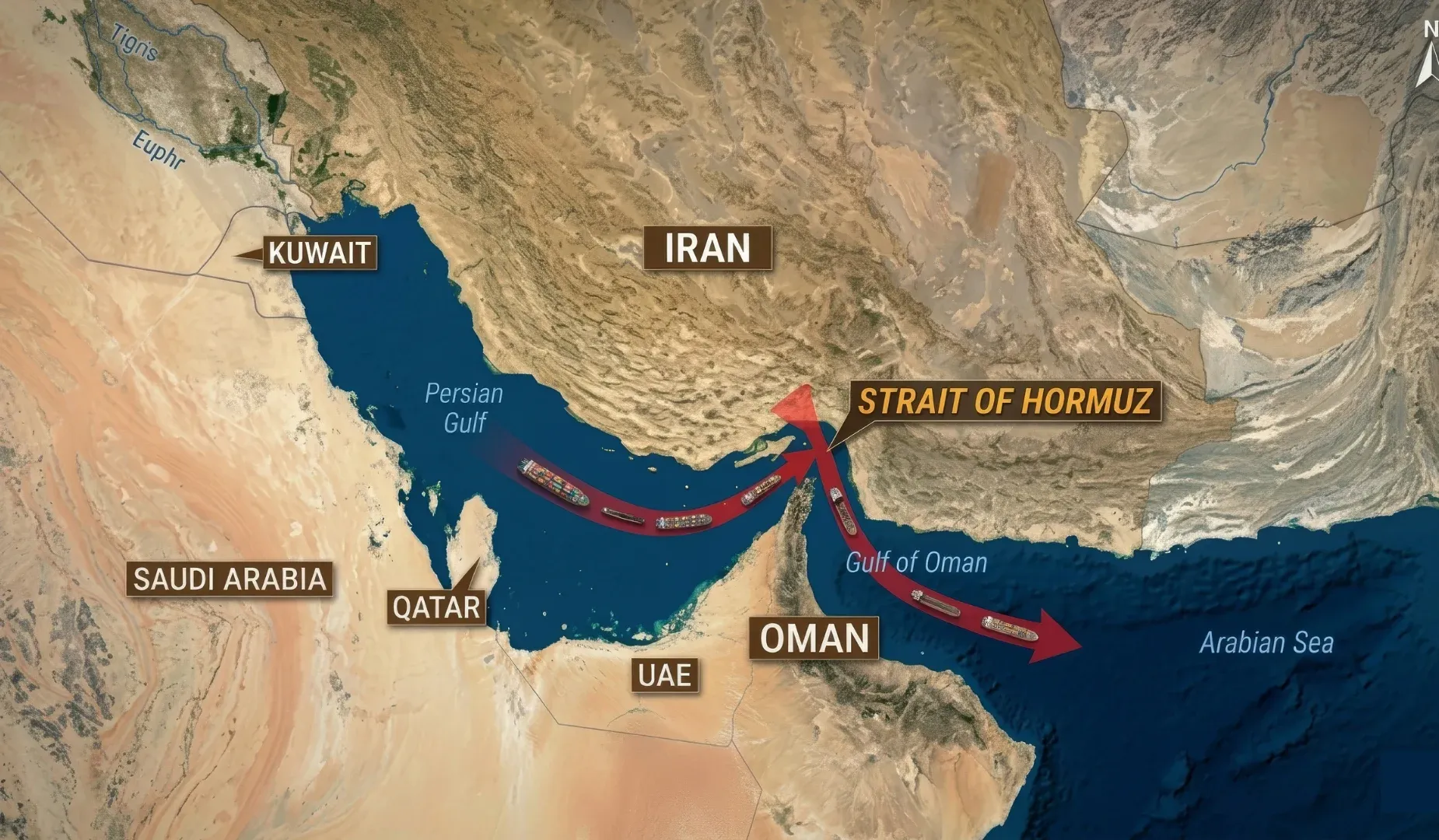
Strait of Hormuz: How a Distant Oil Chokepoint Is Disrupting Indian Restaurants (From Crude to LPG)
The Strait of Hormuz, a 33-kilometer-wide corridor between Iran and Oman controls roughly 20% of global oil and a quarter of global LNG and LPG flows, and when tensions flare there, Indian importers feel the squeeze within days. If your business has faced LPG shortages, freight surcharges, or delayed shipments in early 2026, one major reason is what's happening 2,500 kilometers away in the Persian Gulf. A Narrow Strait The Strait of Hormuz is the world's most critical oil chokepoint, sitting
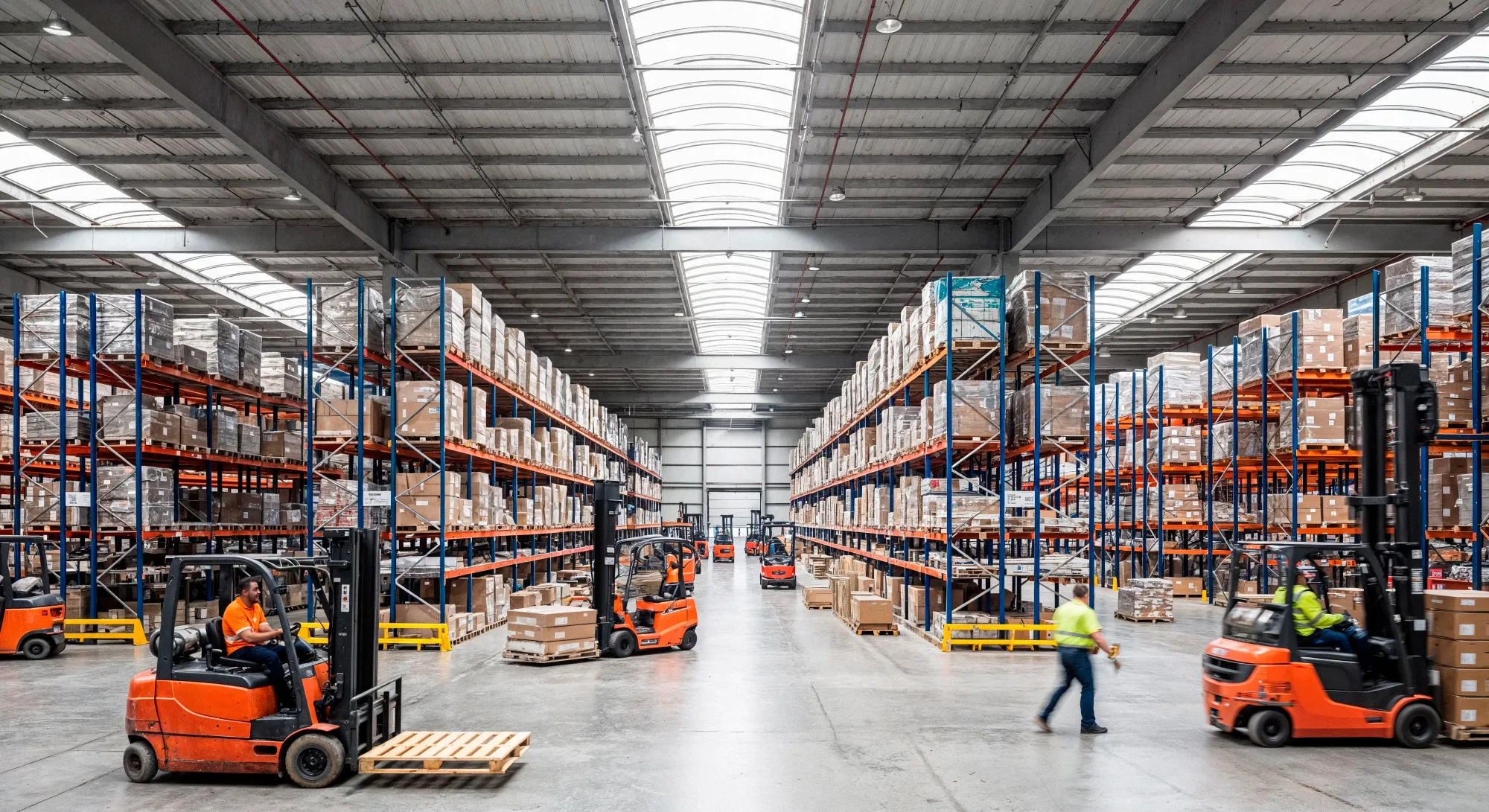
Customs Bonded Warehousing in India: How Importers Can Defer Customs Duty
A customs bonded warehouse in India is a government authorized facility where importers can store goods without immediate payment of customs duties, paying only when goods are cleared for domestic sale or exporting them duty-free. This duty deferment scheme dramatically improves working capital, allowing businesses to time inventory releases strategically while keeping cash available for growth. Introduction to Customs Bonded Warehousing (CBW) A customs bonded warehouse is a secure storage fa
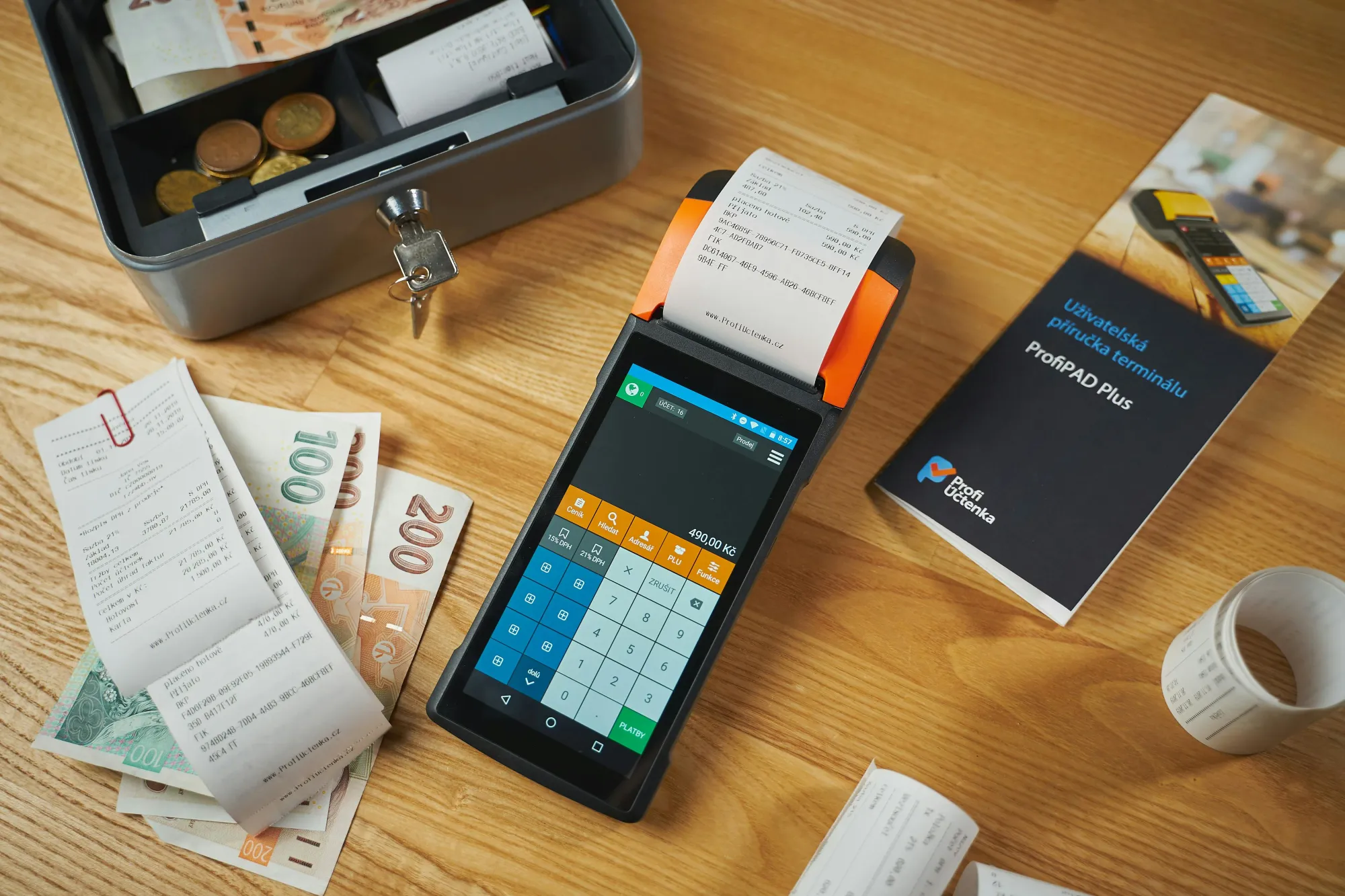
China+1 and India's Consumption Boom: How Money Is Flowing Out of India And Why PA-CB Will Redefine Cross-Border Payments
For two decades, global businesses looked to China as the factory of the world. Today, they're looking at India, not just as a production hub, but as a consumption powerhouse sending billions of dollars abroad every year. As India's private consumption reaches historic highs, the real story isn't just about money coming into India, it's about the unprecedented outward flows reshaping global payments, and how RBI's new Payment Aggregator – Cross Border (PA-CB) framework will determine who wins in
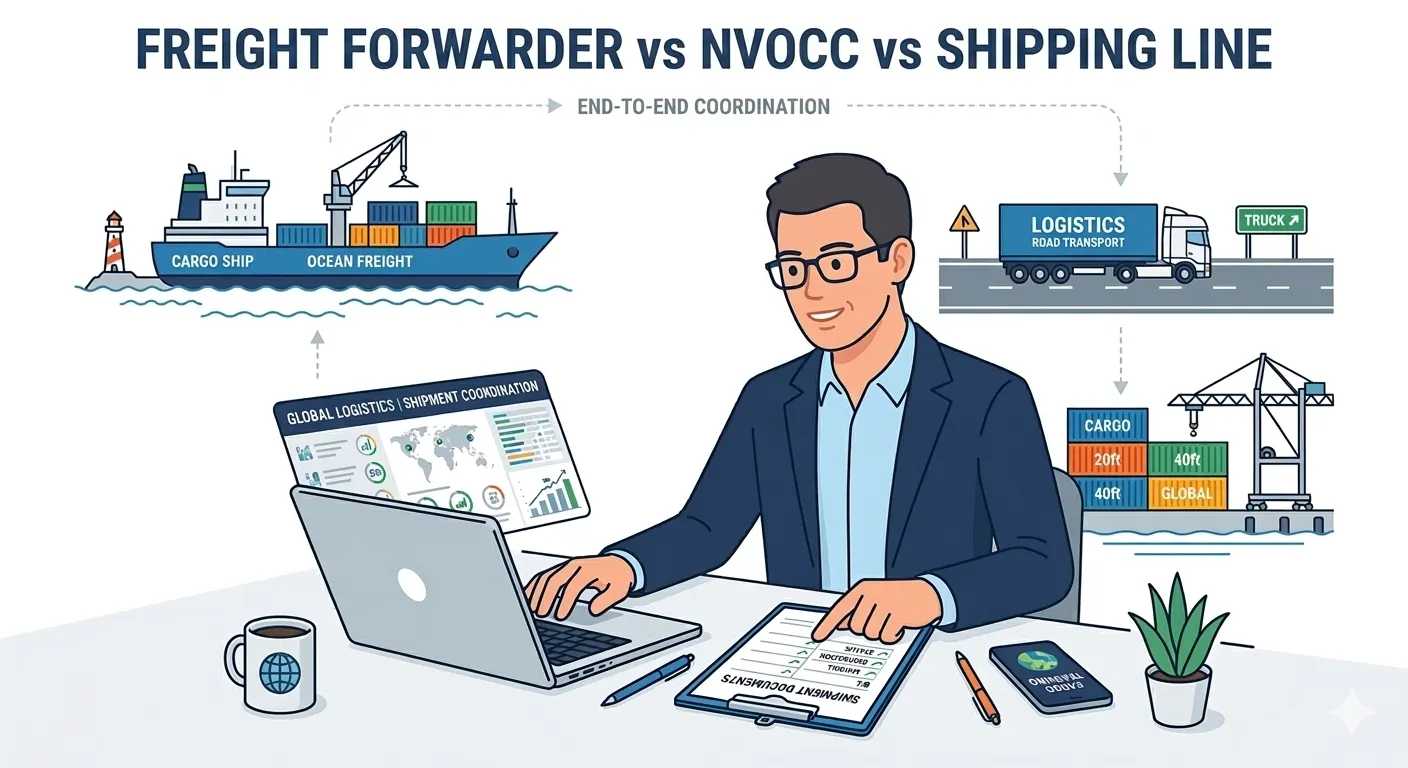
Freight Forwarder vs NVOCC vs Shipping Line: Who Does What for Importers
Many new importers treat the freight forwarder, NVOCC and shipping line as the same “shipping guy” and then get frustrated when no one takes full ownership of the shipment. By clearly understanding who moves the cargo, who sells space, and who manages the end‑to‑end process, importers can cut costs, reduce delays and know exactly whom to call when something goes wrong. This article breaks down freight forwarder meaning, NVOCC meaning and what is shipping line in simple language, with a practica
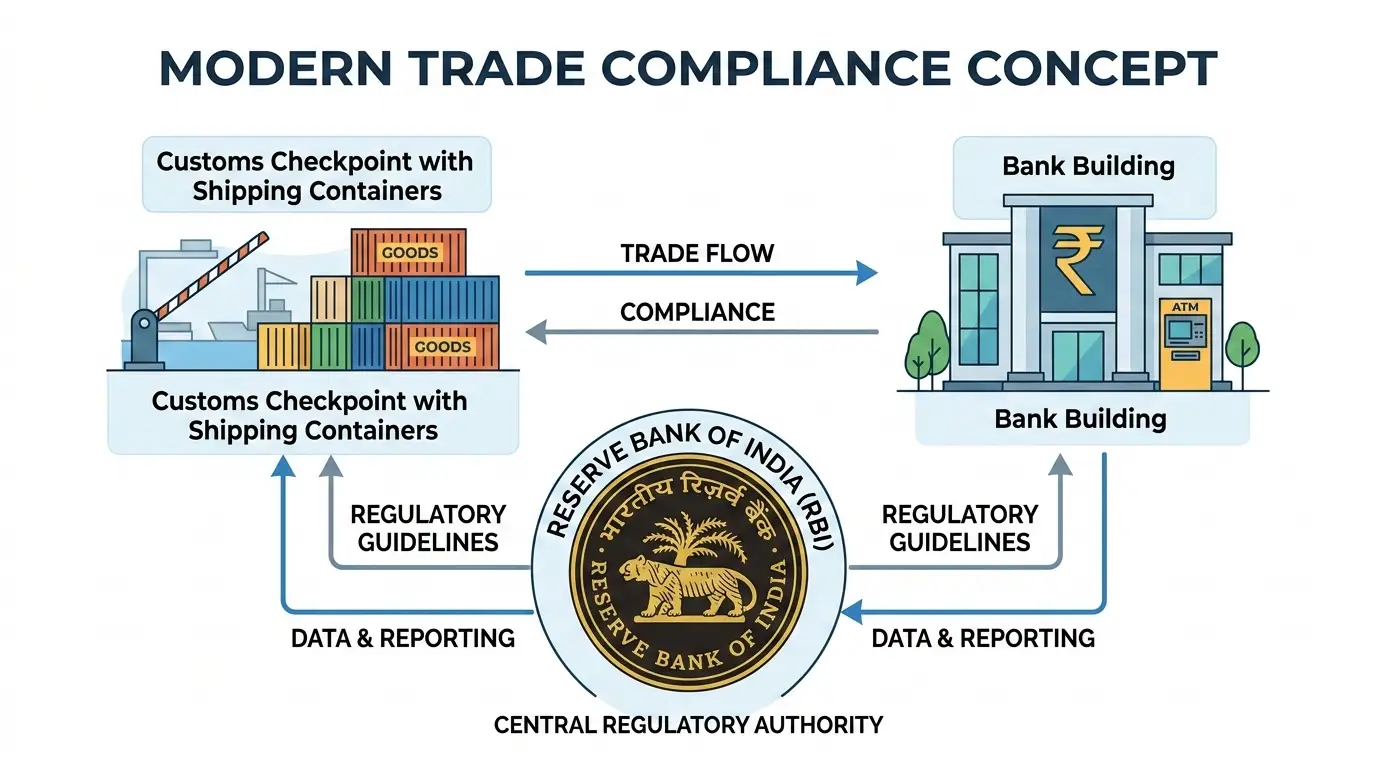
EDPMS & IDPMS: Complete Guide for Indian Importers and Exporters (2026 Update)
The Reserve Bank of India (RBI) runs two core trade-monitoring platforms: IDPMS for imports and EDPMS for exports. Together they connect Customs, authorised dealer (AD) banks, and RBI so that every dollar of foreign exchange going out or coming into India is matched with actual trade. The Import Data Processing and Monitoring System (IDPMS) is RBI’s central digital platform to track import transactions from shipment to final payment. It went live nationwide on 10 October 2016 after pilot work a
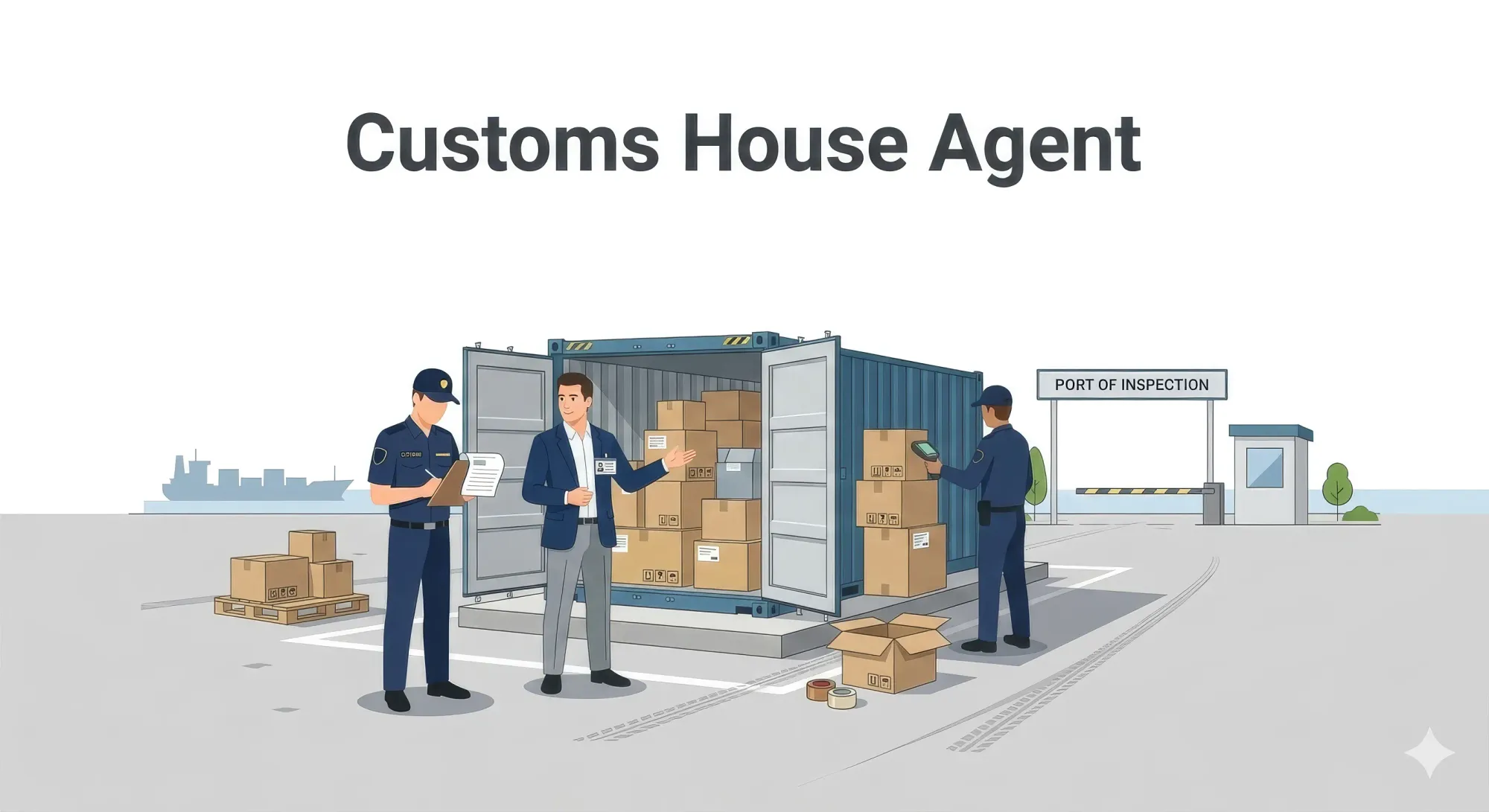
Customs House Agent & Freight Forwarder: The Complete Guide for Importers (Costs, Roles, Process & FAQs)
India's import volumes reached $702 billion in FY 2024-25, but 68% of first-time importers face customs delays or penalties due to documentation errors and HS code mistakes. A customs house agent (CHA) or customs broker and freight forwarder are essential partners that handle compliance, clearance, and logistics to ensure smooth import operations. This comprehensive guide explains their roles, differences, costs, processes, and selection criteria for importers, e-commerce sellers to B2B bulk tra
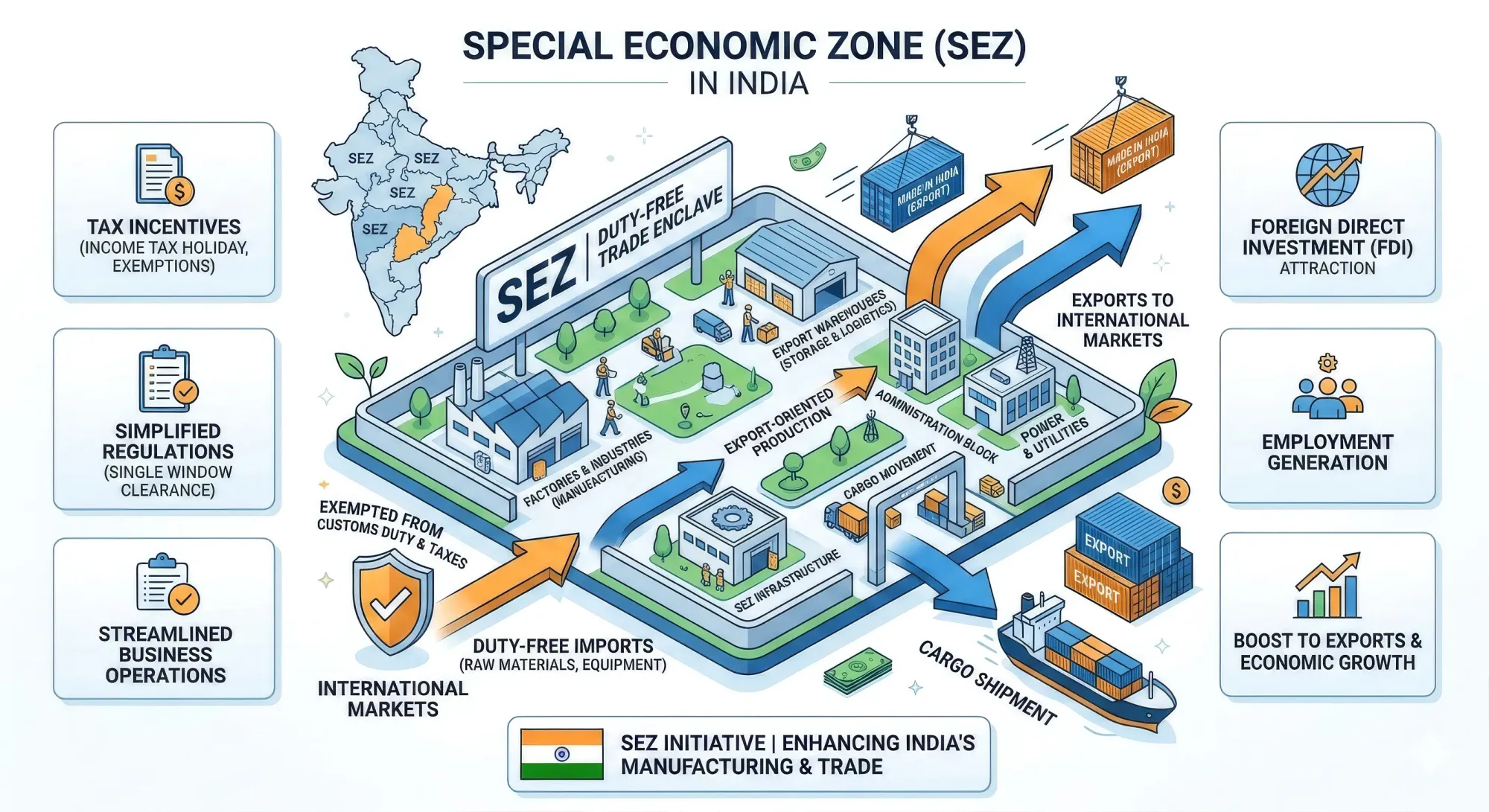
Special Economic Zone (SEZ): Meaning, Types, Benefits, GST Treatment & Complete Guide for Exporters & Importers
A Special Economic Zone (SEZ) is a geographically designated, duty-free enclave within India that is deemed foreign territory for the purposes of trade operations, customs duties, and tariffs. India currently has 276 operational SEZs that contributed $172.27 billion in exports in FY 2024-25, accounting for a substantial share of the country's total merchandise and services exports. This guide covers the SEZ full form and meaning, types of SEZs, how they work under GST, customs benefits, income
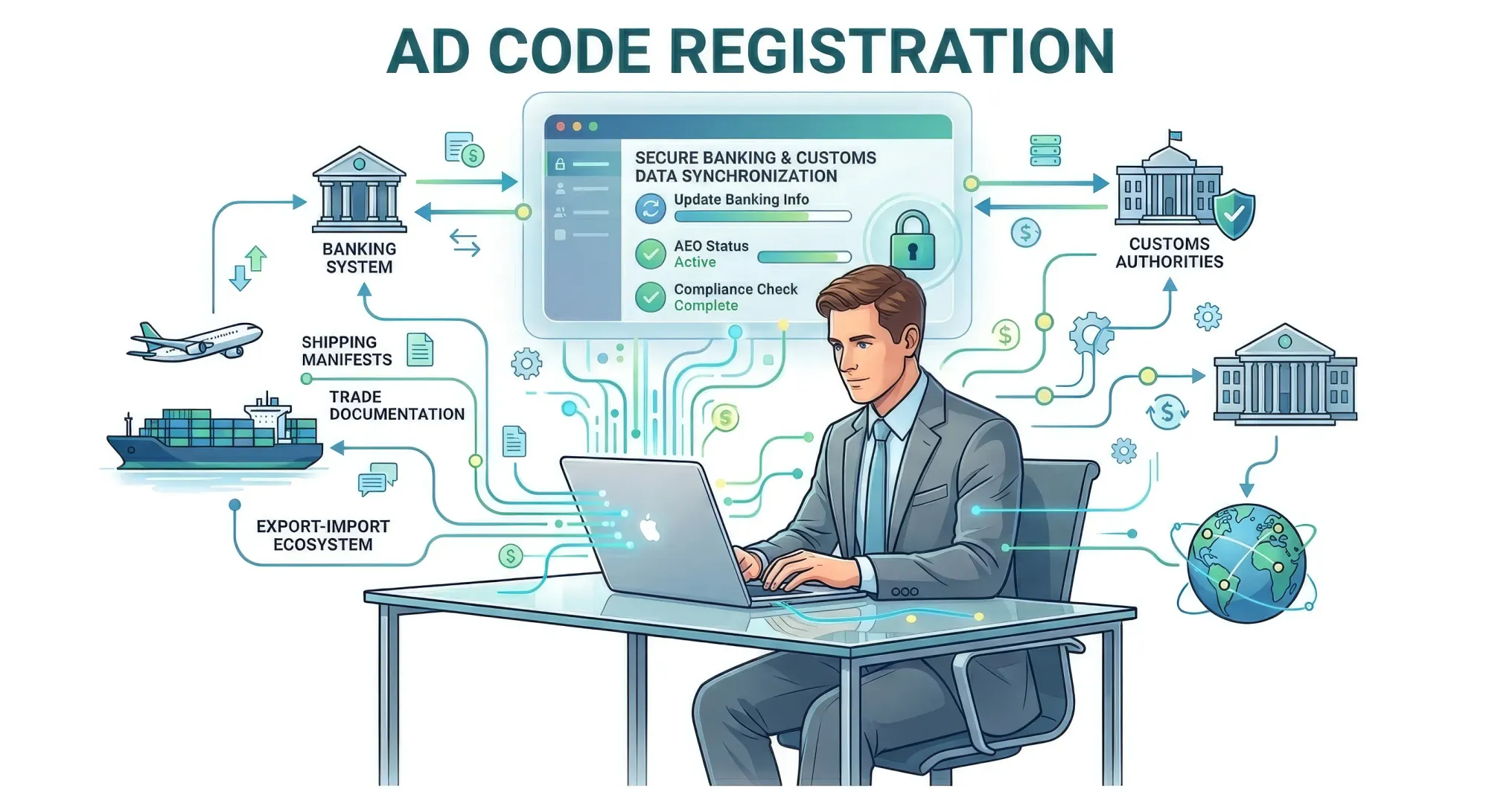
AD Code: Meaning, Full Form, Registration Process, Format & Complete Guide (2026)
Every new exporter in India eventually sees the same error on ICEGATE: “AD Code not registered – Shipping Bill cannot be processed.” In plain language, AD Code is a 14‑digit number issued by your bank that connects your current account with Indian Customs and RBI for foreign exchange tracking. Without it, shipping bills, Bills of Entry, BRCs and export incentives cannot be processed. This guide explains what AD Code means, how the 14‑digit format works, how to register it on ICEGATE, when to upd
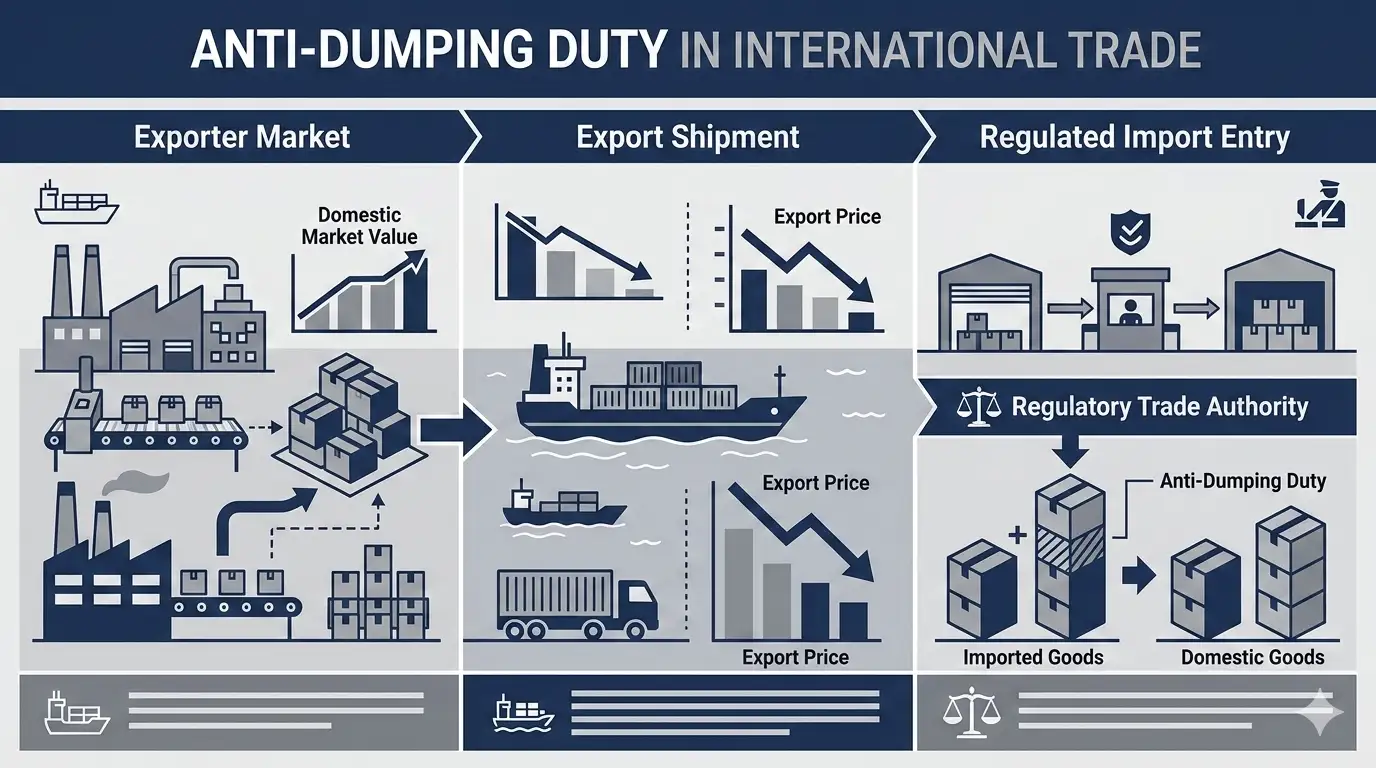
Anti-Dumping Duty in India: Meaning, Calculation, Types & Real-World Examples
Anti-dumping duty is a special tariff that India imposes on underpriced imports when foreign exporters sell goods in India below their fair value, hurting domestic producers. It is calculated separately from normal customs duty and is targeted at specific products, exporters, and countries rather than applied across the board. What Is Anti-Dumping Duty? Anti-dumping duty (ADD) is a protectionist tariff imposed by a country on imports that are sold at a price below their fair market value in t
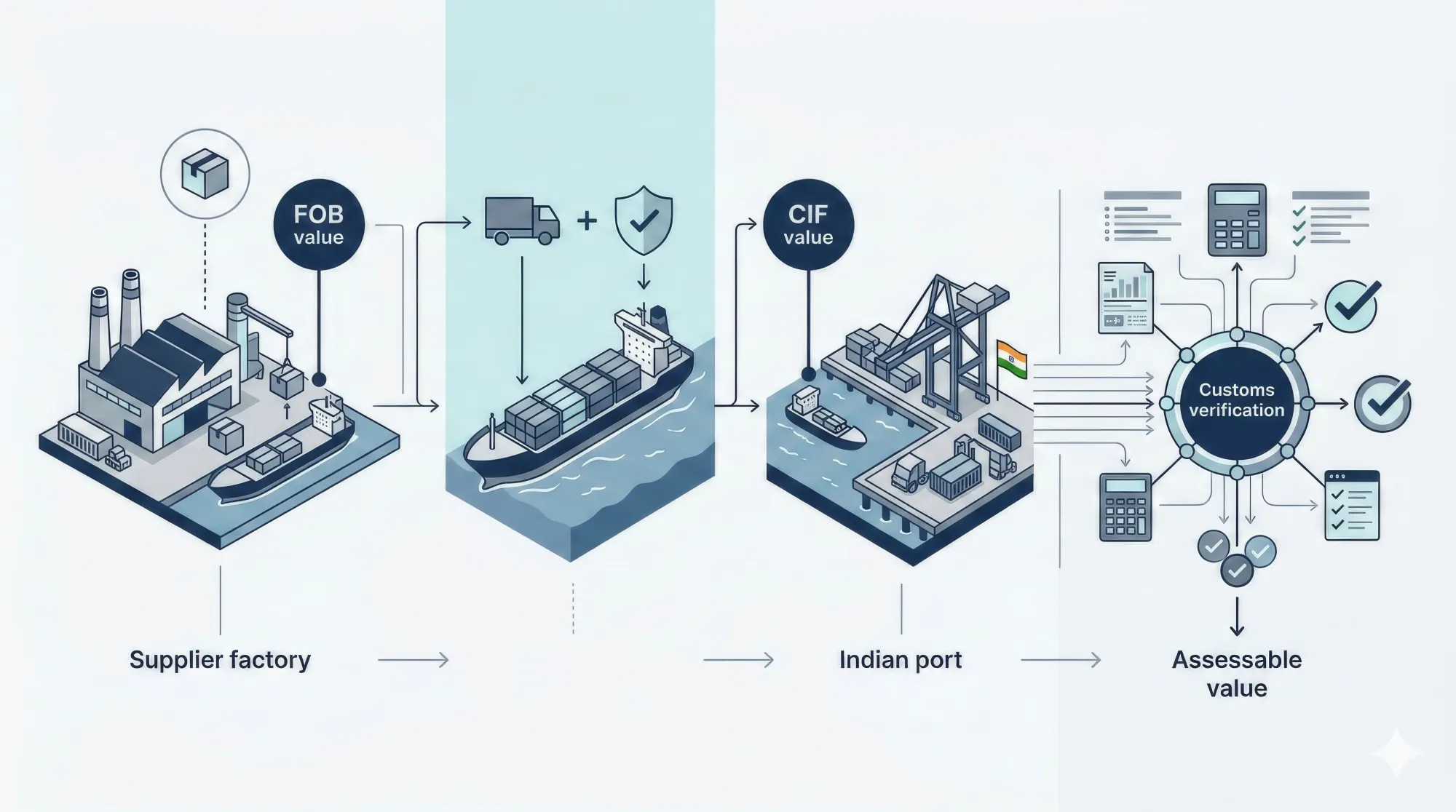
CIF, FOB, and Assessable Value: How Customs Calculates Duty on Imports
Customs duty in India is always calculated on the assessable value, which is effectively the CIF value of the goods at the Indian port of import. If an importer misunderstands how to move from FOB to CIF and then to assessable value, they either overpay duty or face valuation disputes and penalties. This guide explains assessable value, CIF vs FOB, conversion rules, duty calculation steps, Rule 10 additions, and common valuation mistakes in a practical way for importers, customs brokers, and log
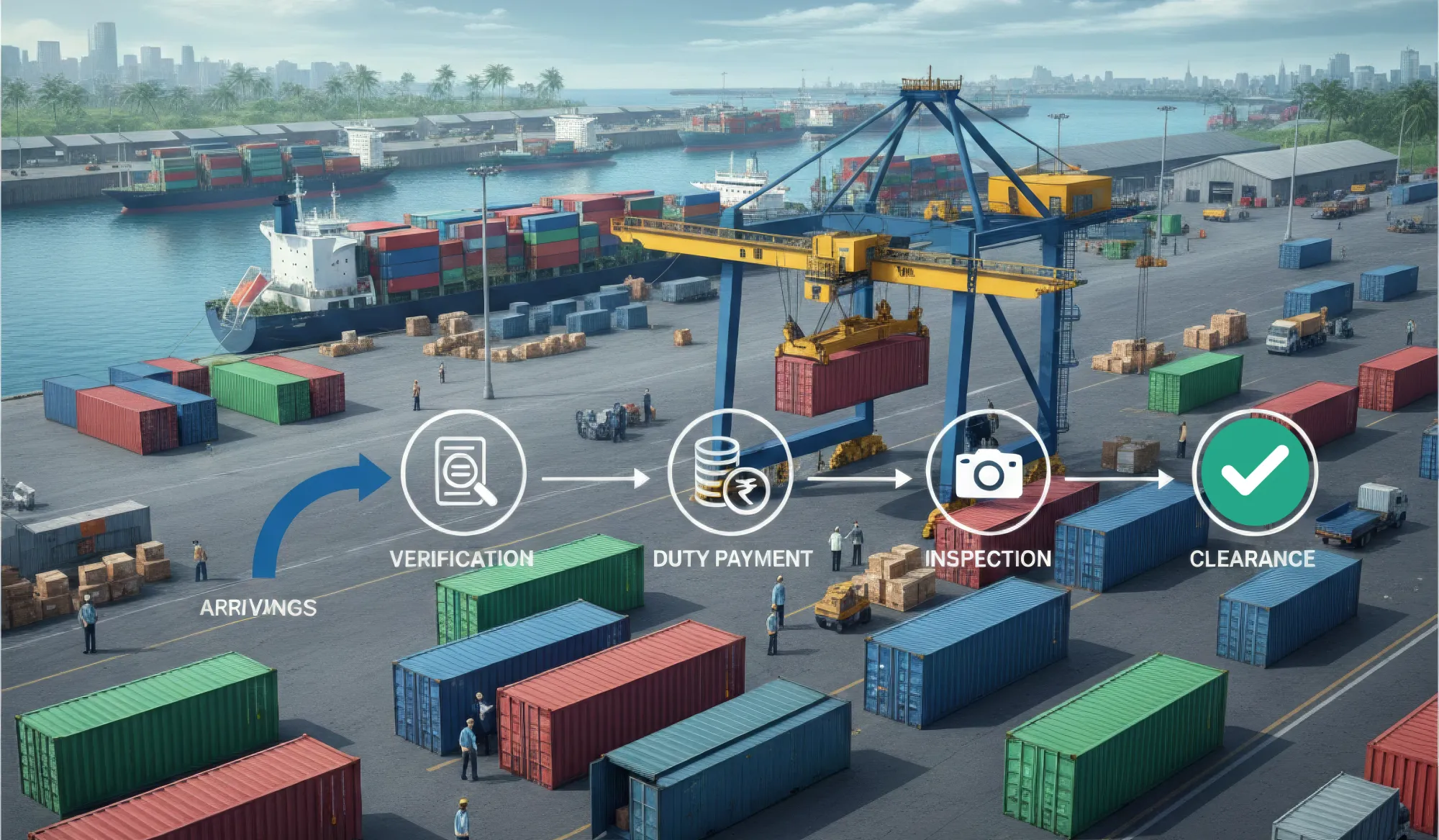
Customs Clearance Process for Imports in India: Step-by-Step Guide
Customs clearance for imports in India is the process of getting your goods legally approved by Indian Customs so they can enter the country, after you submit documents, pay duties, and meet all regulations. It is very crucial to keep your shipments moving on time and to protect your profits, when done wrong, it leads to delays, penalties, and unhappy customers. Why Customs Clearance is so Crucial for Indian Importers For any Indian importer, D2C brand, or manufacturer, customs clearance is t
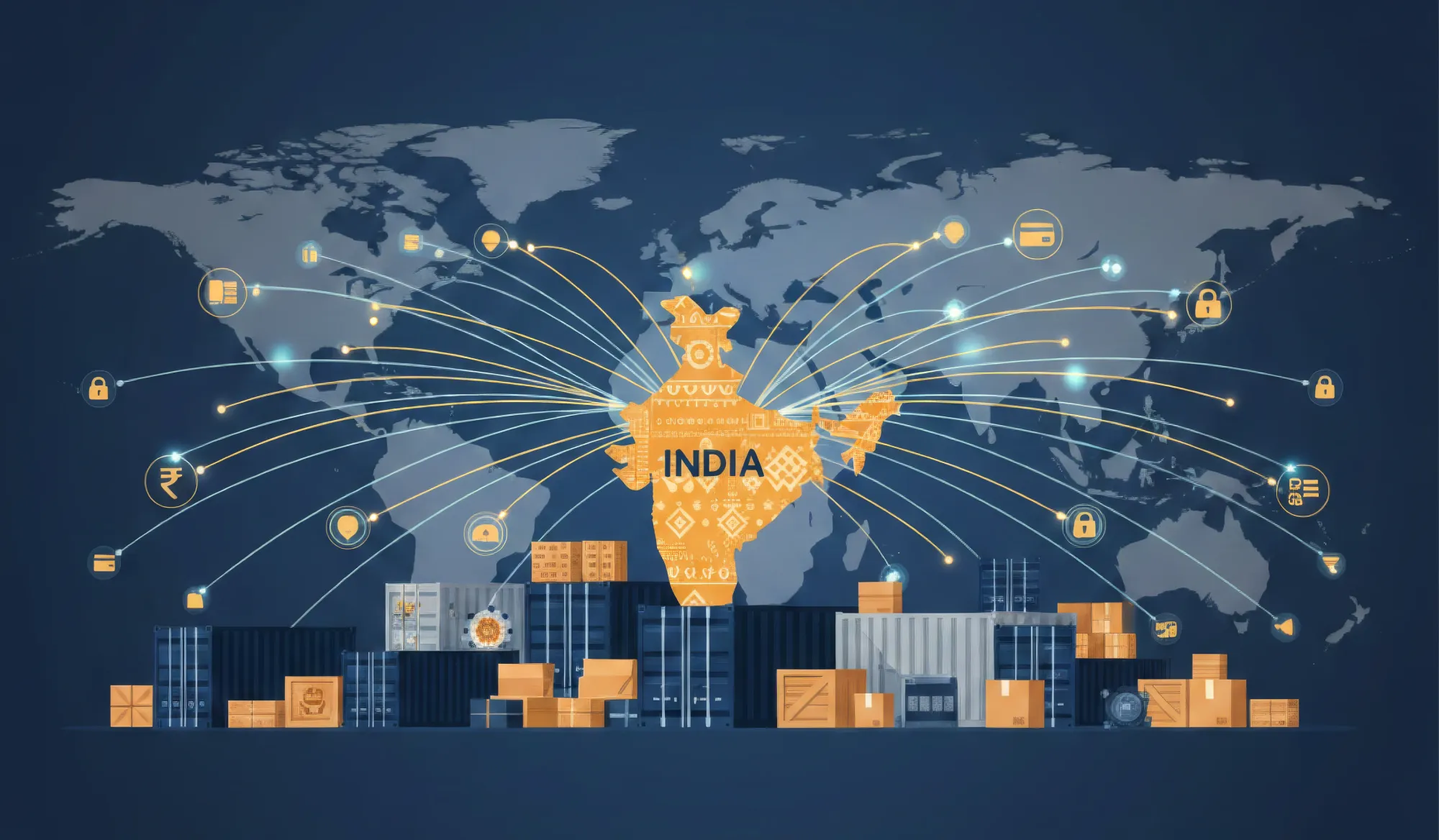
Import Export Business in India: The Complete 2026 Starter Guide (Licenses, Products, Financing & Mistakes to Avoid)
Starting an import-export business in India in 2026 means tapping into a huge global demand while leveraging India’s strong manufacturing base and digital payment ecosystem. With IEC registration now fully online, smarter export finance schemes, and RBI-licensed cross-border platforms, it’s far easier to begin if you follow the right steps and avoid common mistakes. Introduction If you’ve ever thought, “I want to sell to the world, but I don’t know where to start,” this guide is for you. In 2
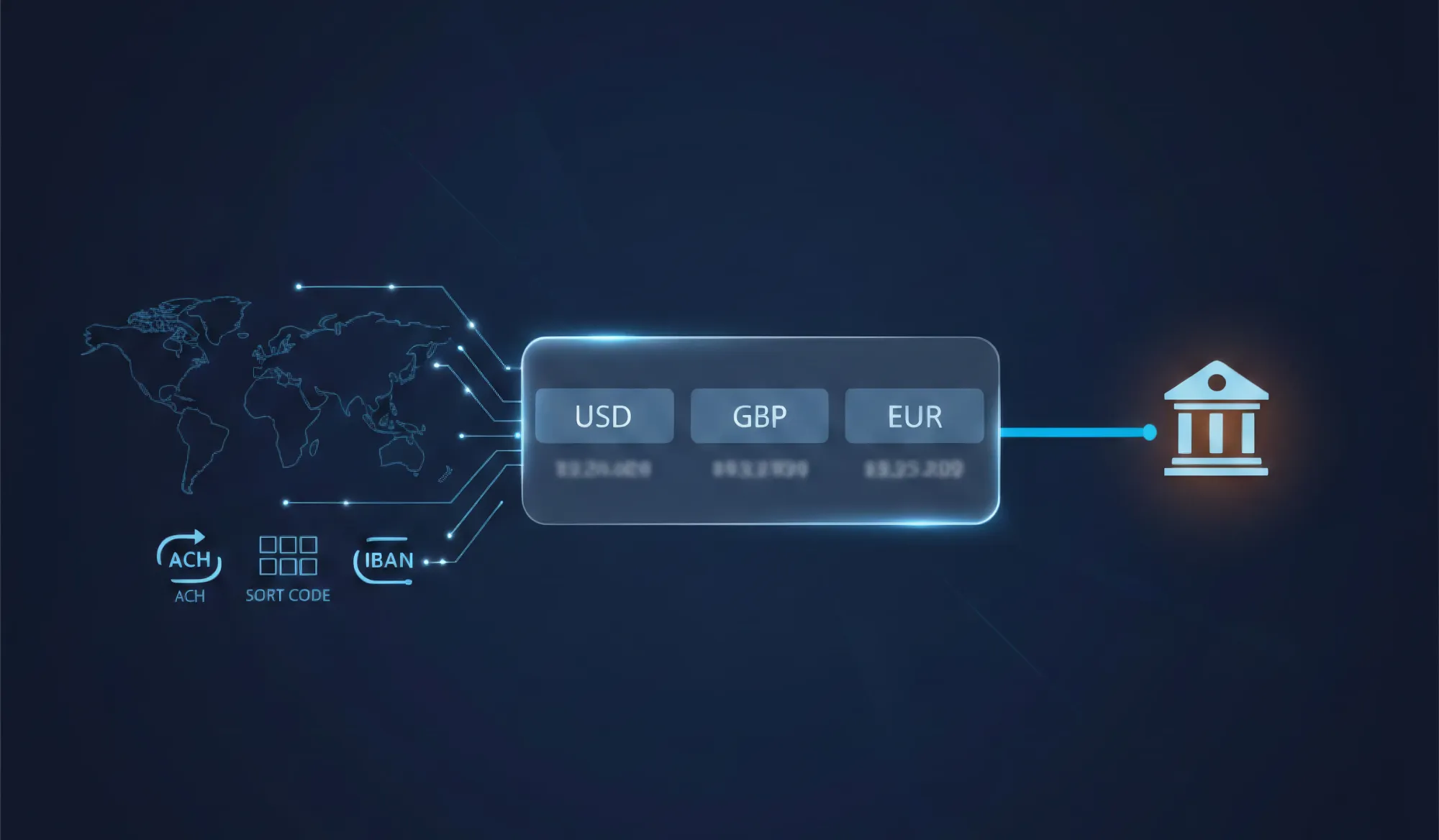
Virtual Bank Accounts: The Complete Guide to Meaning, Types & How They Work (2026)
A global virtual bank account gives your business a local bank account number in the US (ACH routing), UK (sort code), or Europe (IBAN) without opening a physical account in that country. Your international clients pay you like a local transfer. Funds convert and settle into your Indian bank account within 1-2 days, saving 50-75% on fees vs traditional SWIFT wires. What Is a Global Virtual Bank Account? A global virtual bank account is a fully digital bank account in a foreign currency (USD,

D2C Guide: How to Sell Chinese Scarves, Sling Bags & Wallets in India via Personal Import (2026)
India’s fashion accessories market is already worth around US$17.5 billion in 2025 and is growing at about 9.1% CAGR, projected to reach roughly US$28.6 billion by 2031. Scarves, sling bags, and wallets sit right in the sweet spot of this growth, they are impulse buys driven by Instagram trends, influencer looks, and rising disposable income among young urban women. For Chinese factories and traders in Yiwu and Guangzhou, this is a huge opportunity. China is already the world’s primary sourcing
Personal Import vs Commercial Import in India (2026): A D2C Playbook for Foreign & Chinese Brands
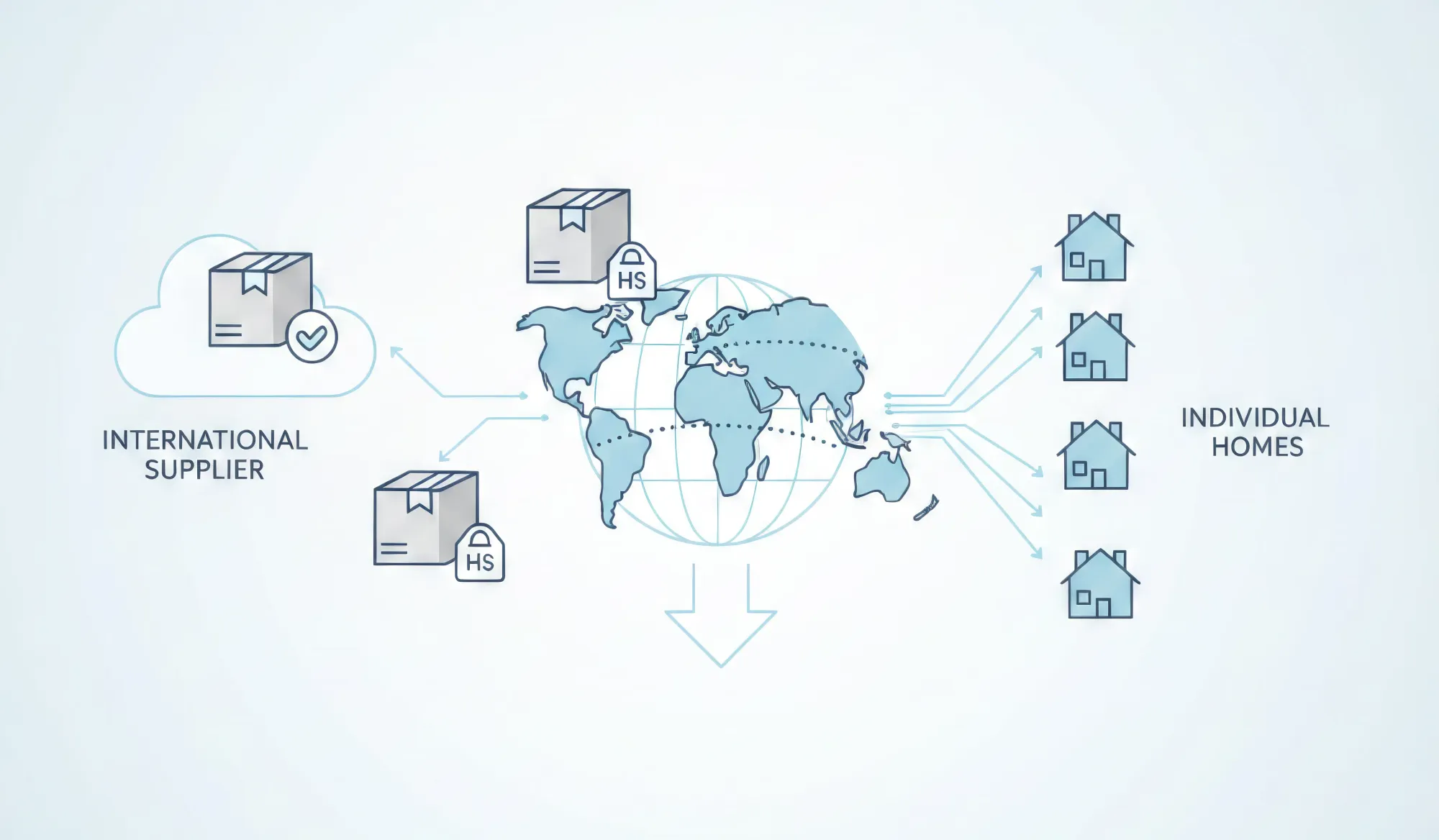
For global and Chinese brands, India offers two very different ways to reach consumers, ship each order as a “personal import” under HS Code 9804, or invest in full commercial imports with heavy compliance. This blog explains how to use personal-import/ D2C method smartly for market entry, and when to graduate to a fully compliant commercial import stack. Why “Personal vs Commercial Import” Matters in 2026 India is pushing hard to grow cross‑border trade and e‑commerce, including new incentiv

How to Sell Chinese Home Decor in India: Candles, Vases & Photo Frames — A Personal Import D2C Shipping Guide (2026)
Selling Chinese home decor directly to Indian consumers is much easier than most overseas sellers think. If you want to sell International home decor in India without opening a company, getting an import license, or dealing with BIS certification, the simplest route is the personal import D2C model. You ship each order directly to the Indian buyer’s name via courier, customs clears it as a personal consignment, and the buyer pays the applicable duty. This guide explains exactly how to do it. W
How to Sell International Fashion Jewellery & Accessories in India: A Complete Compliance & Sales Checklist
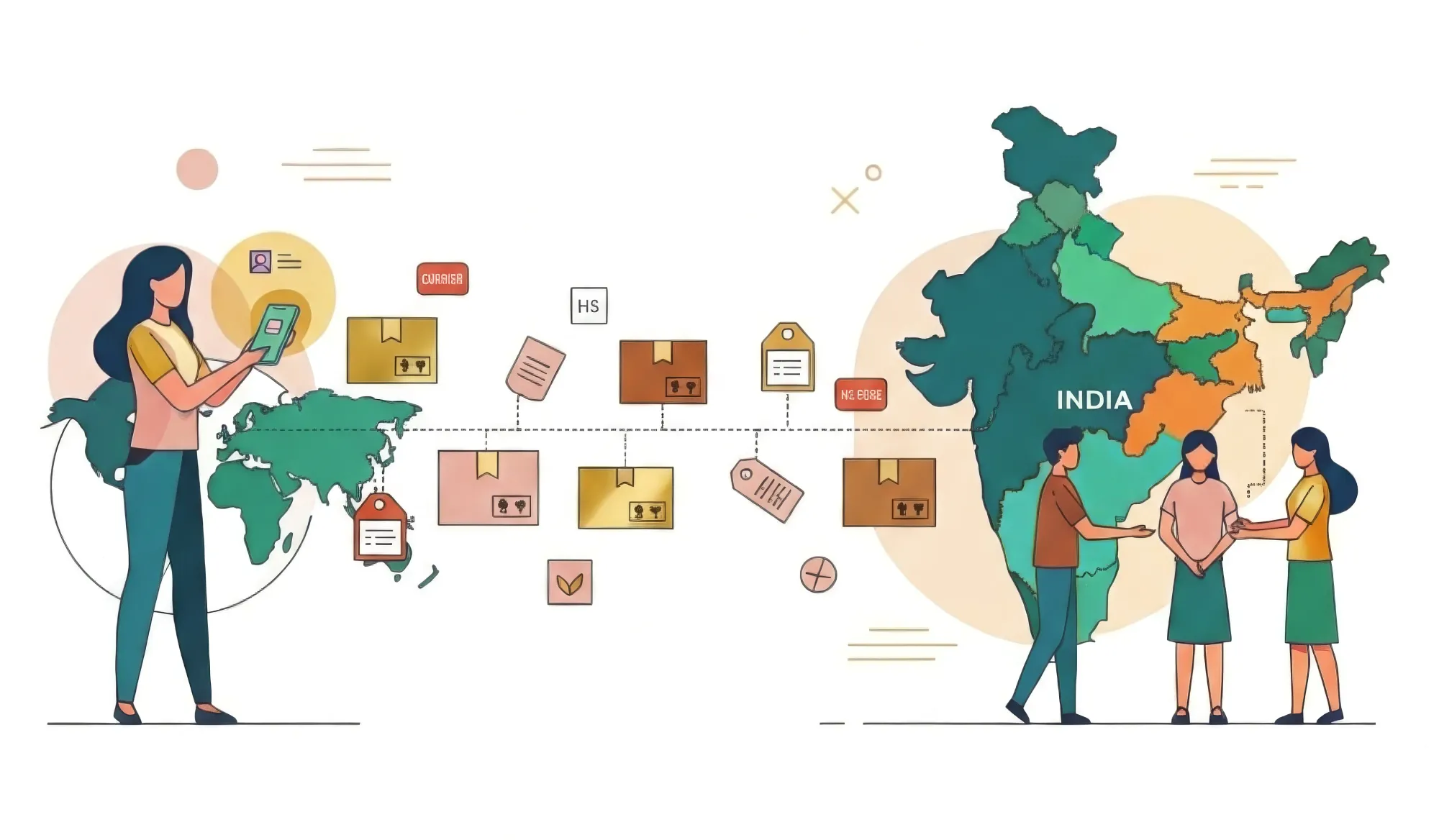
If you’re a Chinese supplier or global ecommerce seller wondering how to sell fashion jewellery in India without setting up a local company, the the answer is personal-import or the D2C model. By combining proper HS classification, compliant labelling, correct duty calculation, and smart Instagram/WhatsApp selling, you can legally ship jewellery and accessories directly to Indian buyers and build a profitable cross-border business. Why India Is a Massive Opportunity India is one of the world’
SCOMET: Full Form, Declaration, List & What Importers-Exporters Must Know
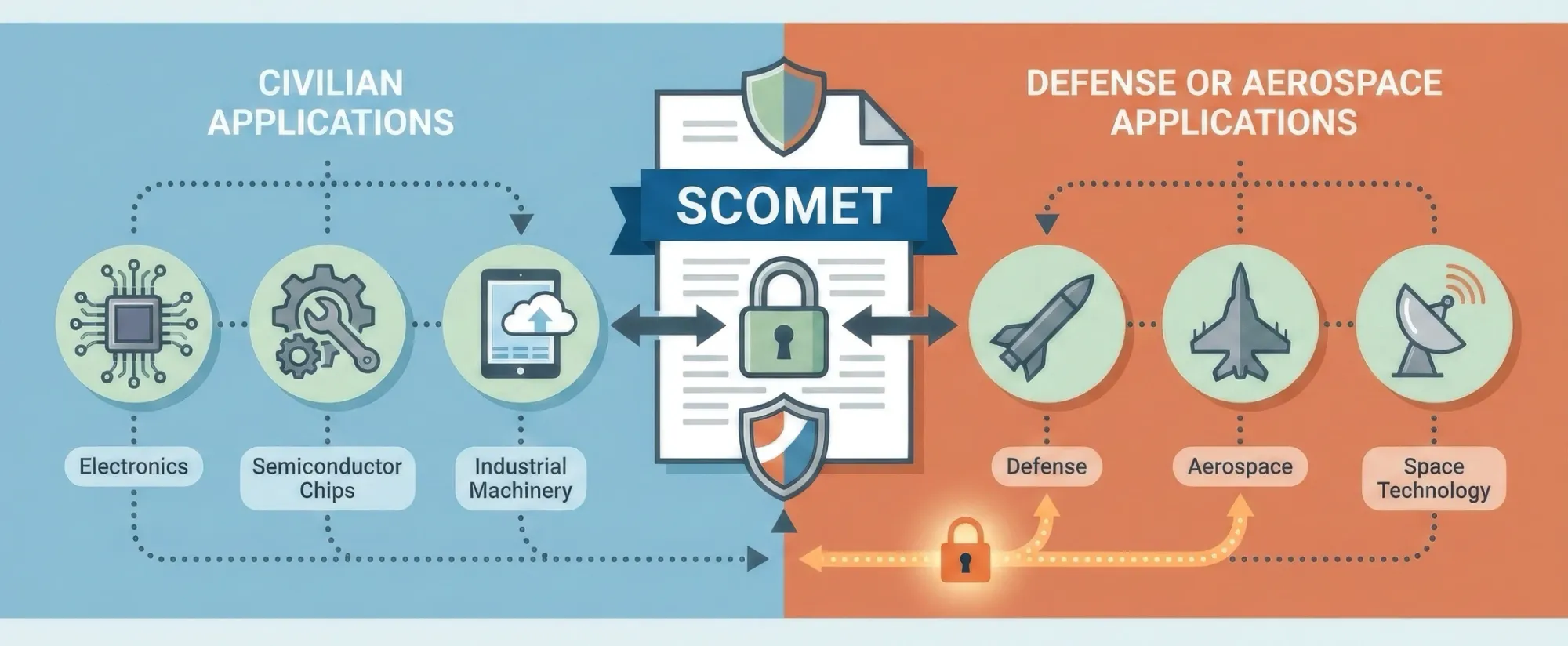
SCOMET stands for Special Chemicals, Organisms, Materials, Equipment and Technologies, India's master control list of dual-use items regulated by DGFT. If you import/ Export chemicals, electronics, sensors, aerospace components, or software, SCOMET compliance affects you. Even though it's primarily an export control framework. What is SCOMET? SCOMET is India's national export control list of sensitive items that have both civilian and military applications, Commonly called dual-use goods. It
Bill of Lading: The Complete Guide to Meaning, Types, Tracking & Examples
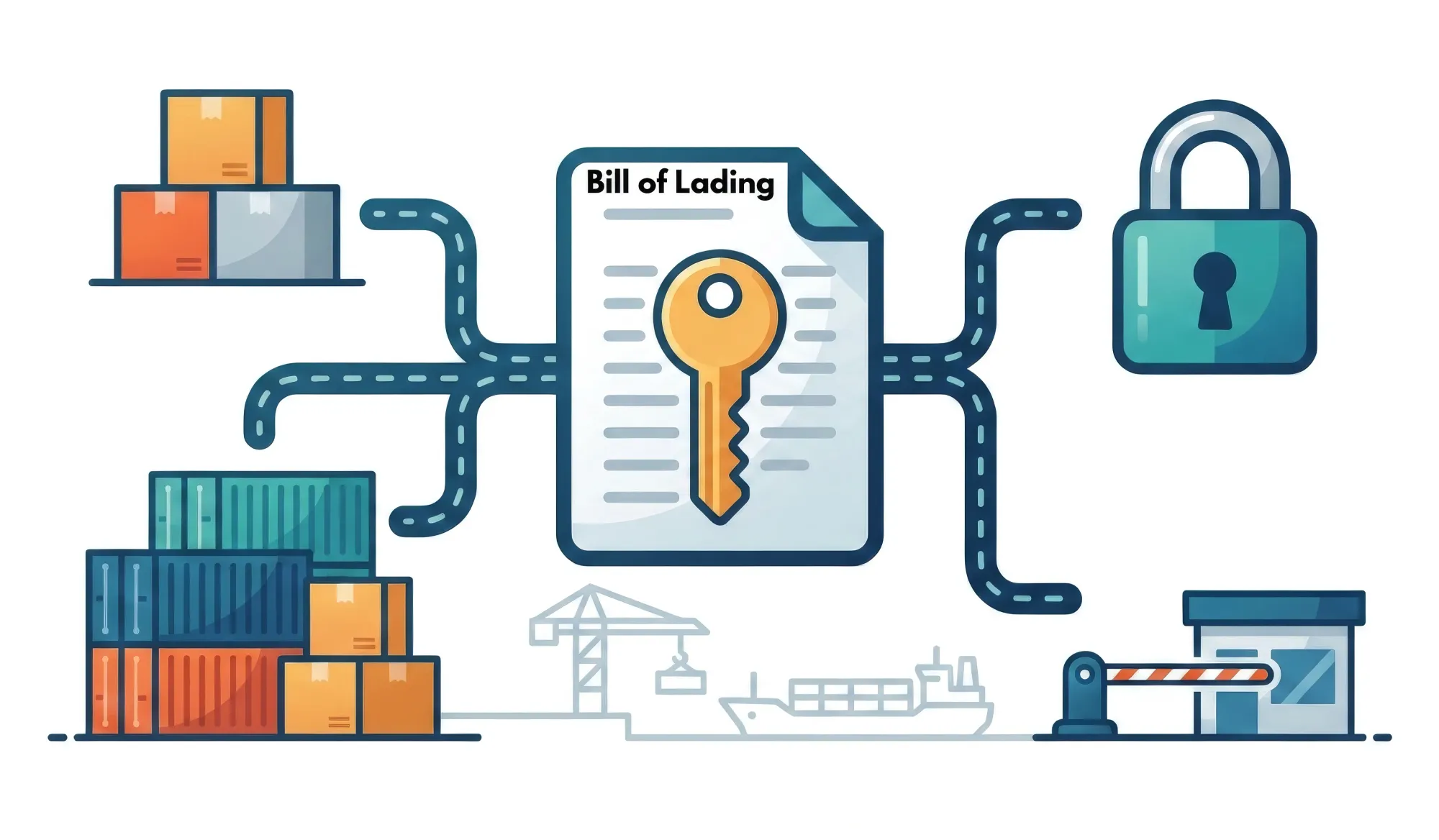
A Bill of Lading (B/L or BOL) is a legal document issued by a carrier to a shipper that serves three critical functions: (a) it acts as a receipt confirming goods were received, (b) a contract of carriage outlining transport terms, and (c) a document of title representing ownership of the goods. This essential shipping document details the type, quantity, and destination of cargo, enabling secure international trade transactions between buyers, sellers, and carriers. A bill of lading (B/L) is t
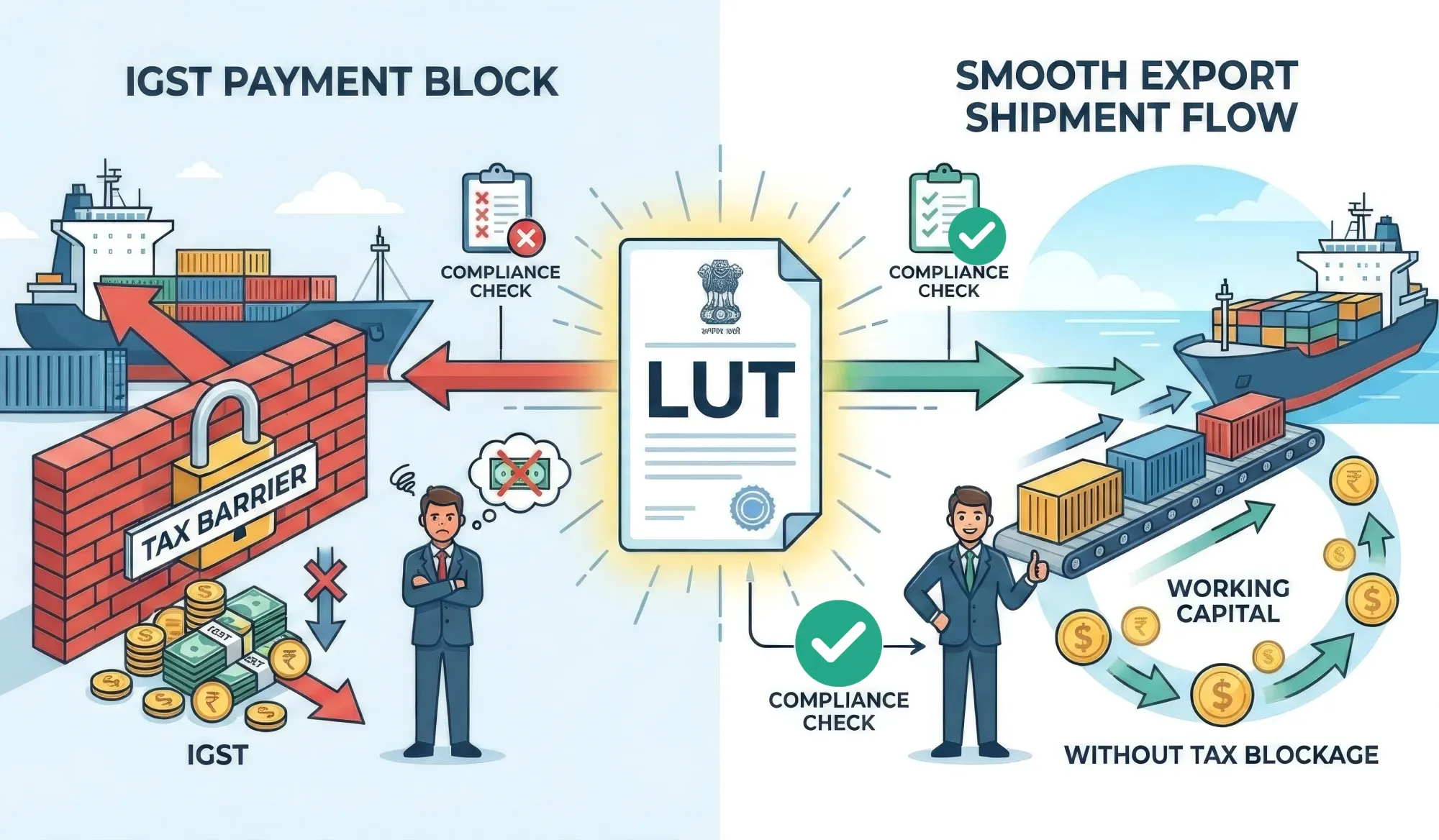
Understanding LUT Number: Meaning, Importance & How to Download
A Letter of Undertaking (LUT) lets you export goods or services without paying IGST upfront, keeping your cash flow intact. Exporters navigate the GST regulations in India for their exports with the help of LUT. In this guide, you'll learn what LUT is, who needs it, how to file it on the GST portal, and the common mistakes that cost exporters money. What is LUT in GST? LUT is a formal declaration you file on the GST portal that lets you export goods or services without paying IGST upfront. In
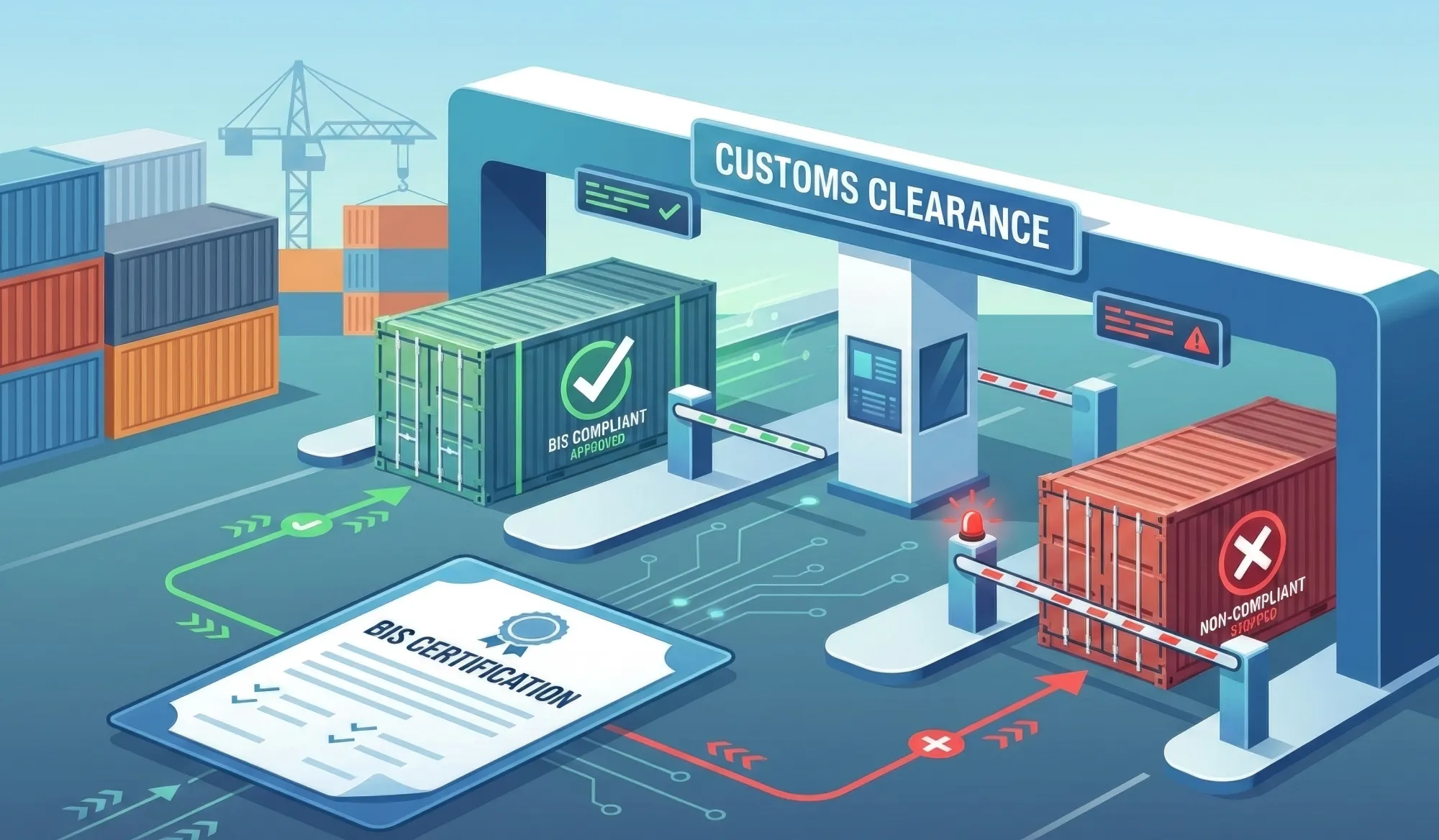
BIS Certification in India: A Practical Importer’s Guide (2026)
BIS certification is one of the most critical compliances for importers, this decides whether your goods go smoothly through customs or end up stuck in a warehouse for weeks. If your product falls under BIS control and you don’t comply, customs will simply not clear it. BIS certification is mandatory for 450+ product categories in India. Hence, Importing products without it will result in confiscation and penalties. What Does BIS Certification Mean? BIS stands for Bureau of Indian Standards,
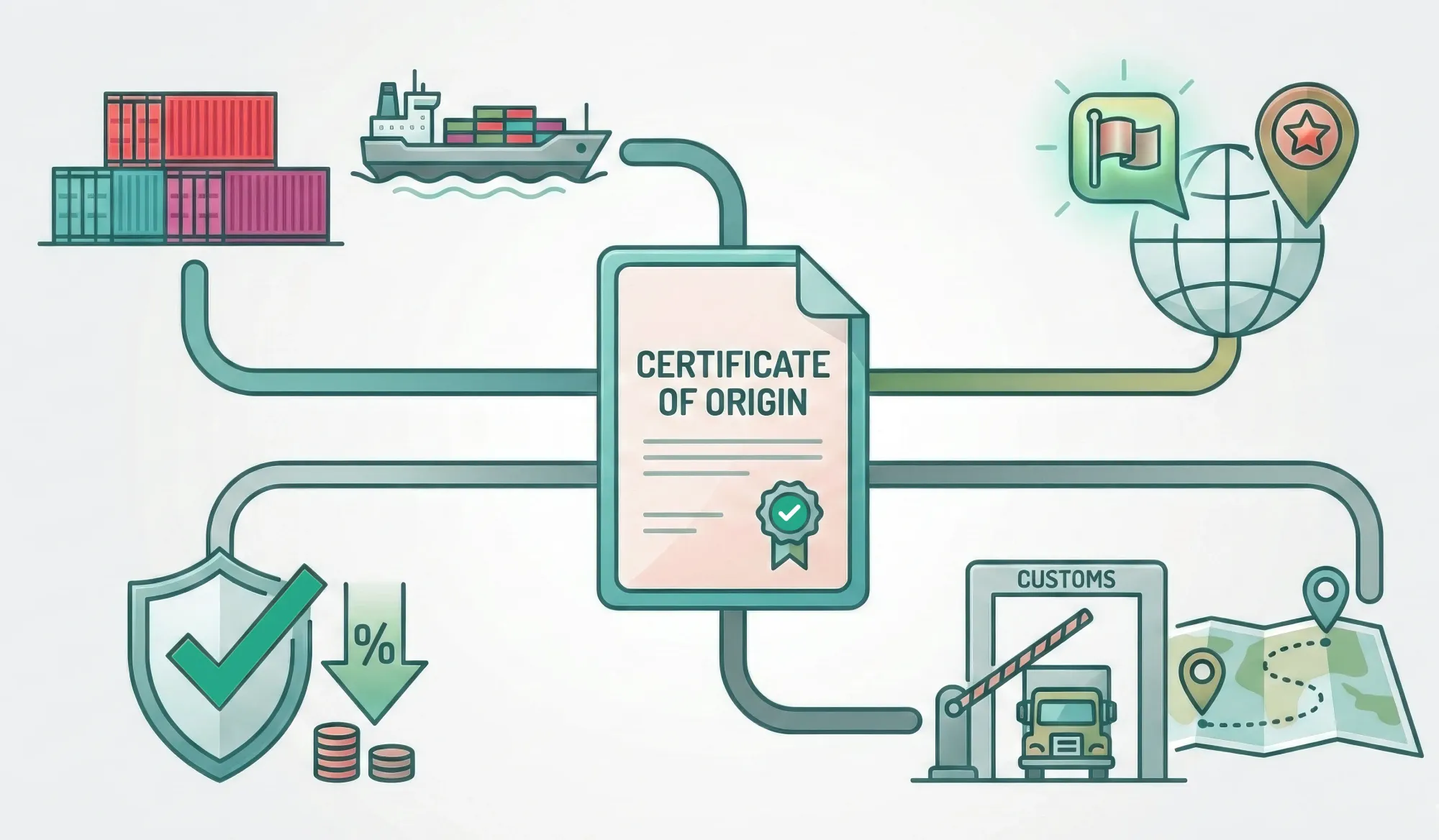
Certificate of Origin (COO): The Complete Guide for Importers & Exporters
A Certificate of Origin (COO) is a fundamental international trade document that certifies the country where goods were manufactured, produced, or processed. For importers, this document determines the customs duties payable and eligibility for preferential tariff benefits under Free Trade Agreements (FTAs). For exporters, it serves as proof of origin that enables buyers to claim duty concessions in the destination country. What is a Certificate of Origin (COO)? A Certificate of Origin is an
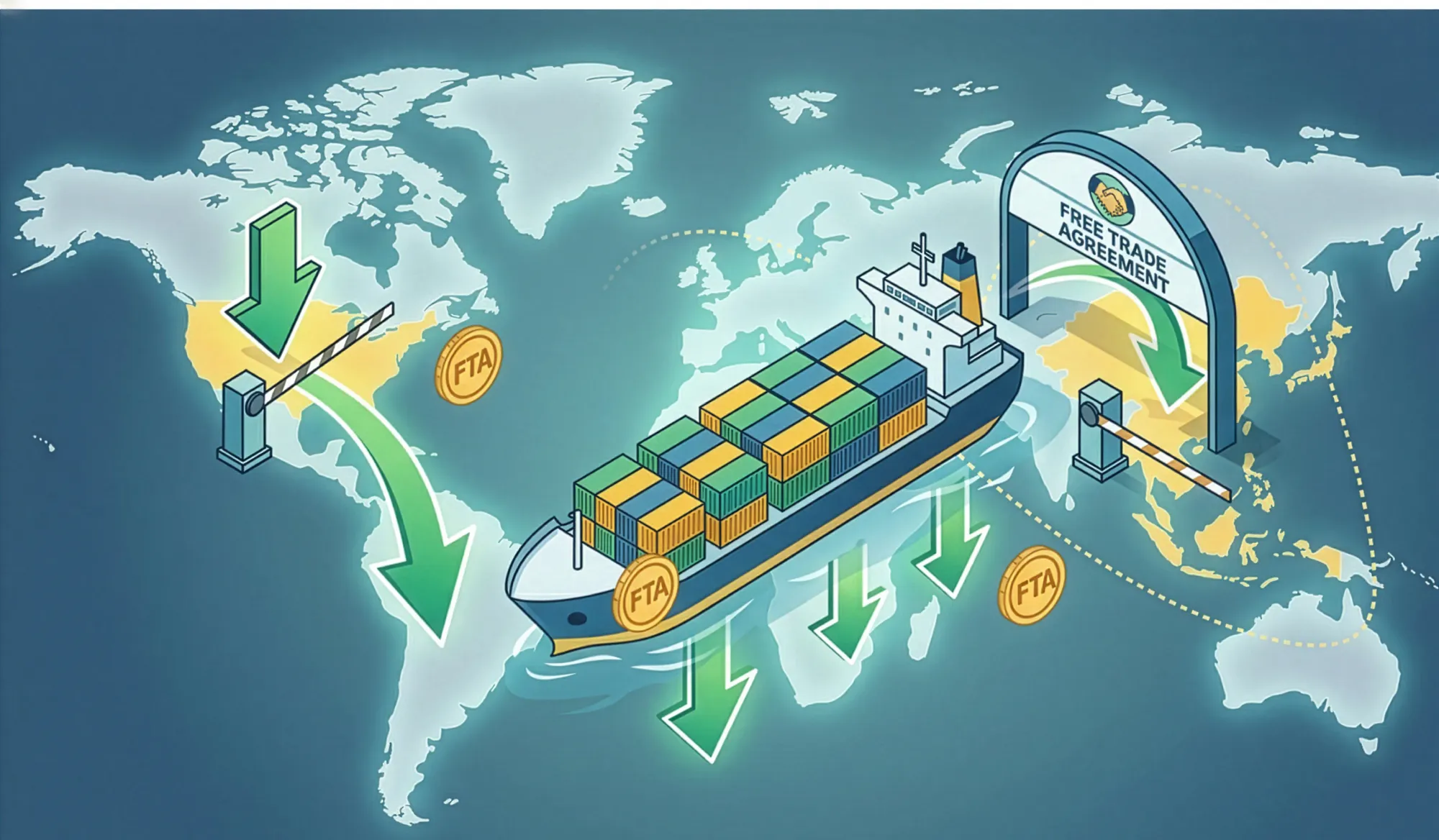
Free Trade Agreements for Importers: The Complete Guide to Cut Duties and Expand Sourcing
A Free Trade Agreement (FTA) is a formal arrangement between countries to reduce or eliminate customs duties and trade barriers. For importers like you, FTAs mean one thing, paying lower or zero duties on qualifying goods. The real question isn't what an FTA is it's how much you can save and which countries you should source from. This guide shows you exactly how. What is a Free Trade Agreement? An FTA is a legal treaty between two or more countries designed to facilitate cross-border trade b
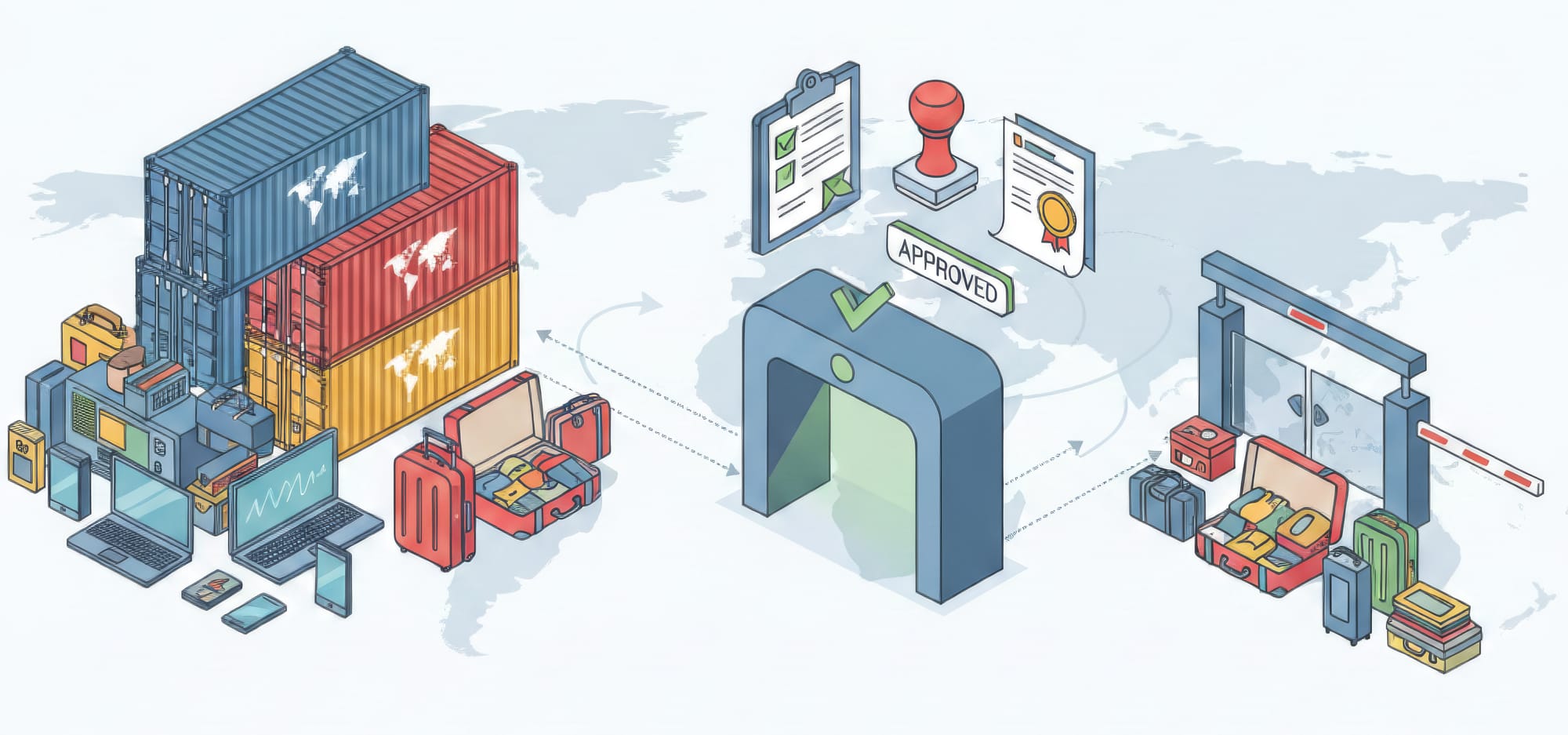
Import Duty Changes in Budget 2026: Complete Guide for Importers, Exporters & Travelers
Union Budget 2026 introduces a comprehensive customs duty overhaul affecting both personal and commercial imports. The basic customs duty (BCD) on personal goods is slashed from 20% to 10%, baggage allowance increased by 50%, and capital goods exemptions expanded across critical sectors. These changes simplify tariff structure, reduce import costs, and support manufacturing—effective immediately or by April 1, 2026. Customs Duty Rate Cut for Personal Goods (50% Reduction) Budget 2026 introduc
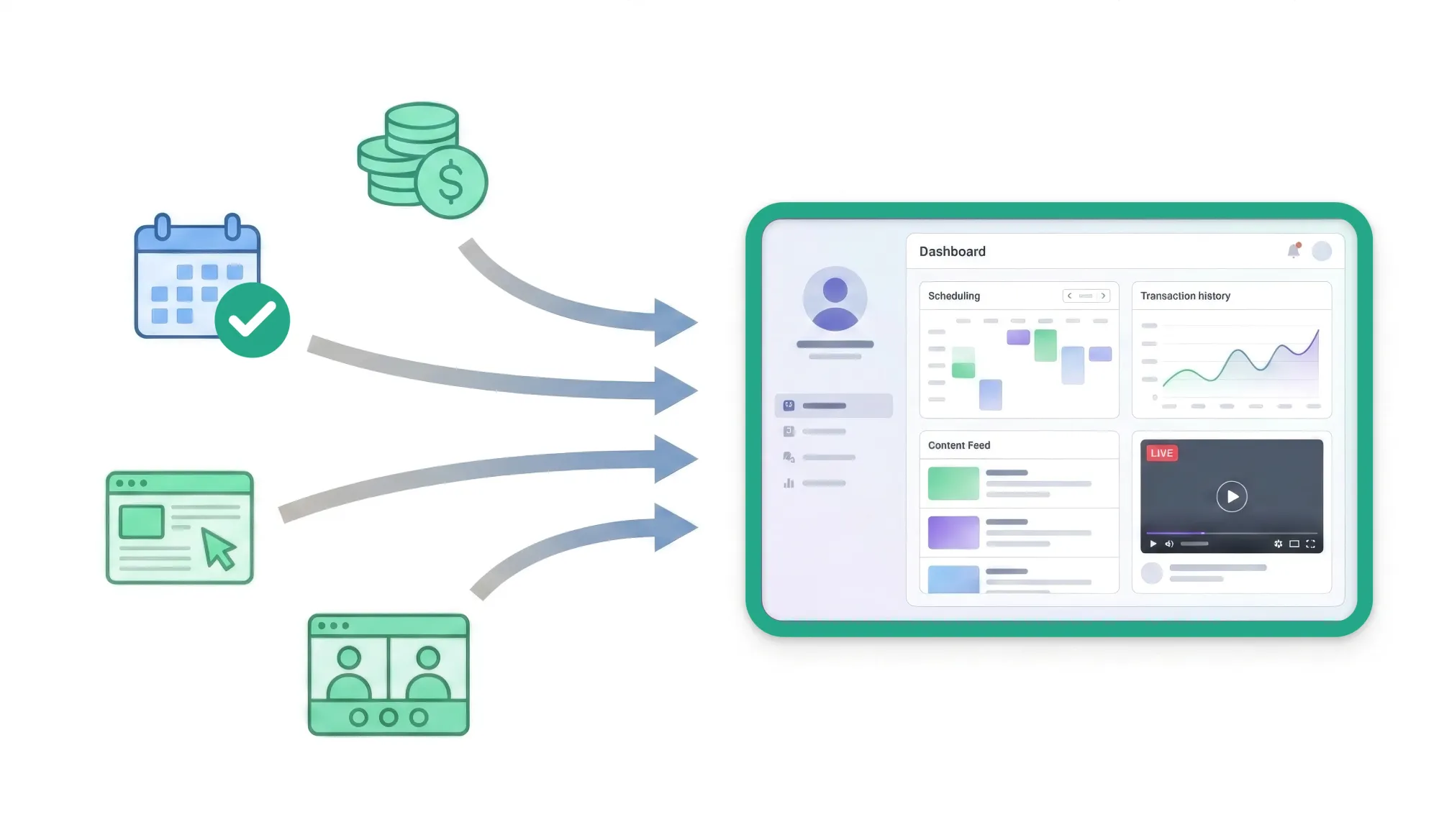
Topmate.io: Alternatives for International Payments, Earning Money & EximPe Comparison
Topmate is an all-in-one platform that lets creators monetize their expertise through 1:1 calls, webinars, and digital products. But here's the honest truth, most creators earn virtually nothing. Success requires an existing social media following and genuine expertise. Let's break down whether it's actually worth your time. What Is Topmate.io? Topmate is a creator economy platform launched in 2020 that lets professionals package their knowledge into sellable services. Instead of juggling mul
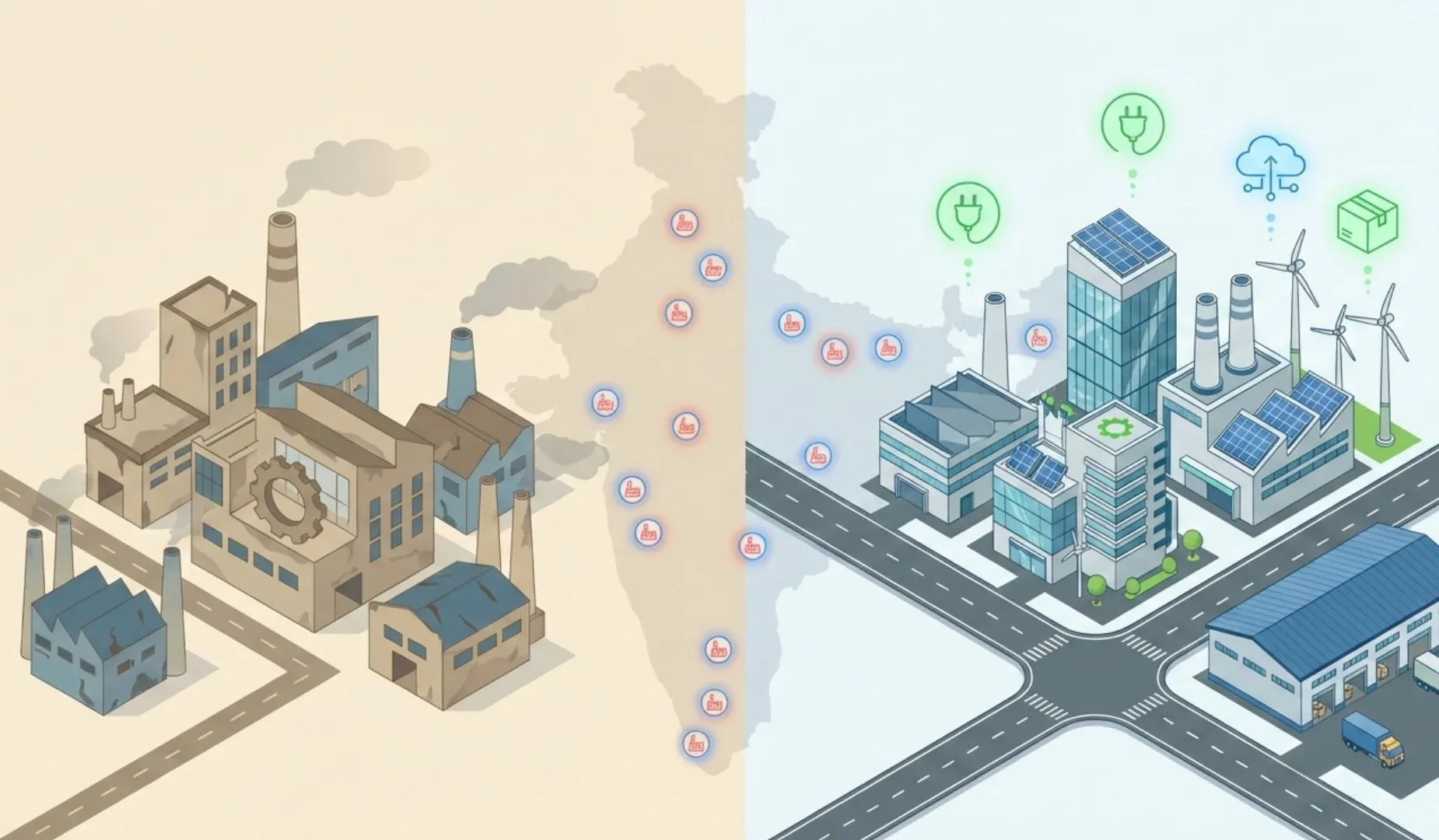
Budget 2026's Hidden Opportunity: Reviving 200 Legacy Industrial Clusters
Budget 2026 announced a scheme to revive 200 legacy industrial clusters, which currently employ 114+ million workers and generate 35% of India's exports. Unlike new greenfield cities that cost ₹50+ lakh per job, upgrading existing clusters costs only ₹15-20 lakh per job. This quiet opportunity could reshape manufacturing by modernizing infrastructure in towns like Malegaon, Kanpur, and Kolhapur that have made things for decades but haven't upgraded in 15-20 years. What This Actually Means Bud
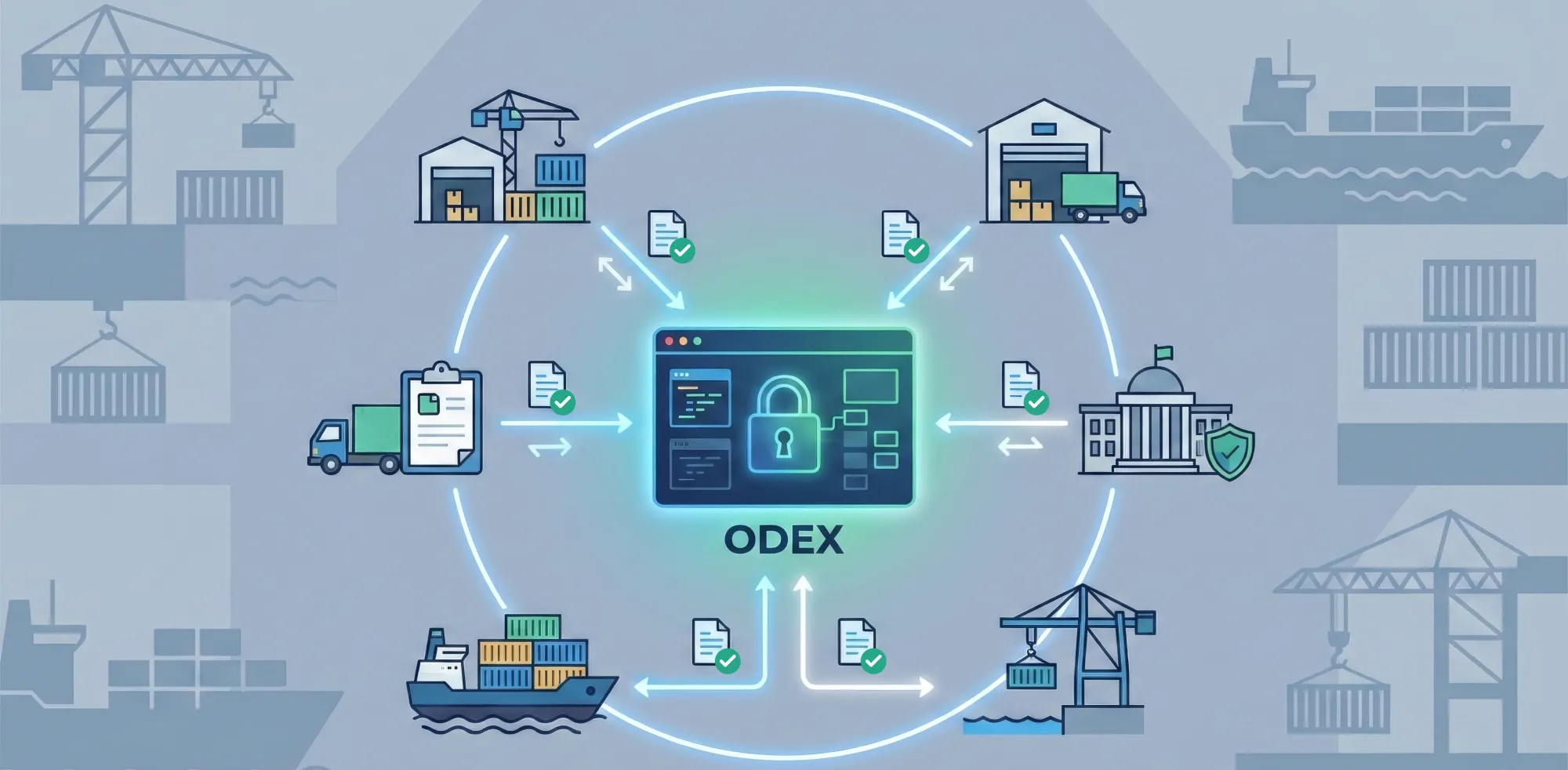
ODEX, Complete Digital Platform for India's Shipping & Import-Exports: Complete Guide
ODEX (Online Documents eXchange) is India's leading digital platform for shipping documentation, cargo tracking, and invoice payments. It connects all EXIM stakeholders—importers, exporters, freight forwarders, shipping lines, ports, and customs on a single secure network. By submitting HBL data, VGM certificates, Form 13 gate passes, and shipping bills through ODEX instead of email, you reduce processing time from days to hours, prevent costly demurrage delays, and ensure SCMTR customs complian
Sea IGM Tracking, Status & Functions on ICEGATE: Complete Guide for Indian Importers
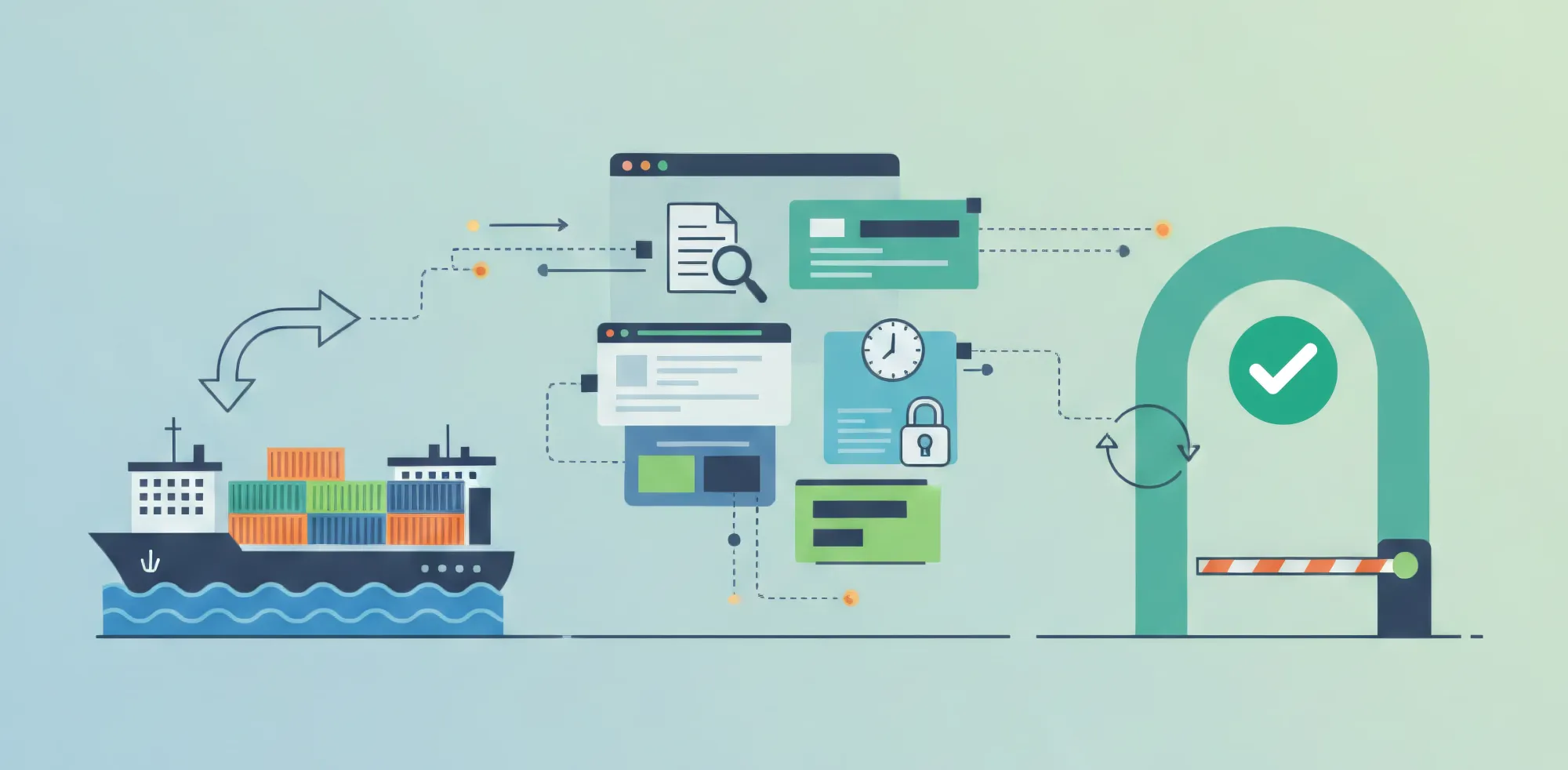
Sea IGM (Import General Manifest) is a legal declaration filed by shipping lines with Indian Customs before cargo arrives at an Indian port. It contains details of all goods being imported—container numbers, Bill of Lading references, descriptions, weight, and is mandatory for customs clearance under Section 30 of the Customs Act, 1962. Tracking your Sea IGM status on ICEGATE helps identify errors early, avoid cargo holds, and ensures smooth customs processing. What is Sea IGM? Understanding I
![Why Is Indian Rupee Falling Against Chinese Yuan? [Complete Analysis]](https://storage.ghost.io/c/53/60/5360d126-b8cf-4600-b25b-8ead954e4e80/content/images/2026/01/Untitled-design--2--1.png)
Why Is Indian Rupee Falling Against Chinese Yuan? [Complete Analysis]
The Indian rupee has depreciated 6-7.5% against the Chinese yuan in recent months, hitting record lows and creating ripple effects across India's economy. If you're an exporter, importer, investor, or simply someone who sends money to someone in China, this matters to your business. Let's break down the seven key reasons why the rupee is falling against the yuan, and what it means for different stakeholders in India. 1. The $99.2 Billion Trade Deficit With China India's trade deficit with C
Import Cars Into India: Luxury Cars, Carnet, Duty Calculation, Complete Guide (2026)
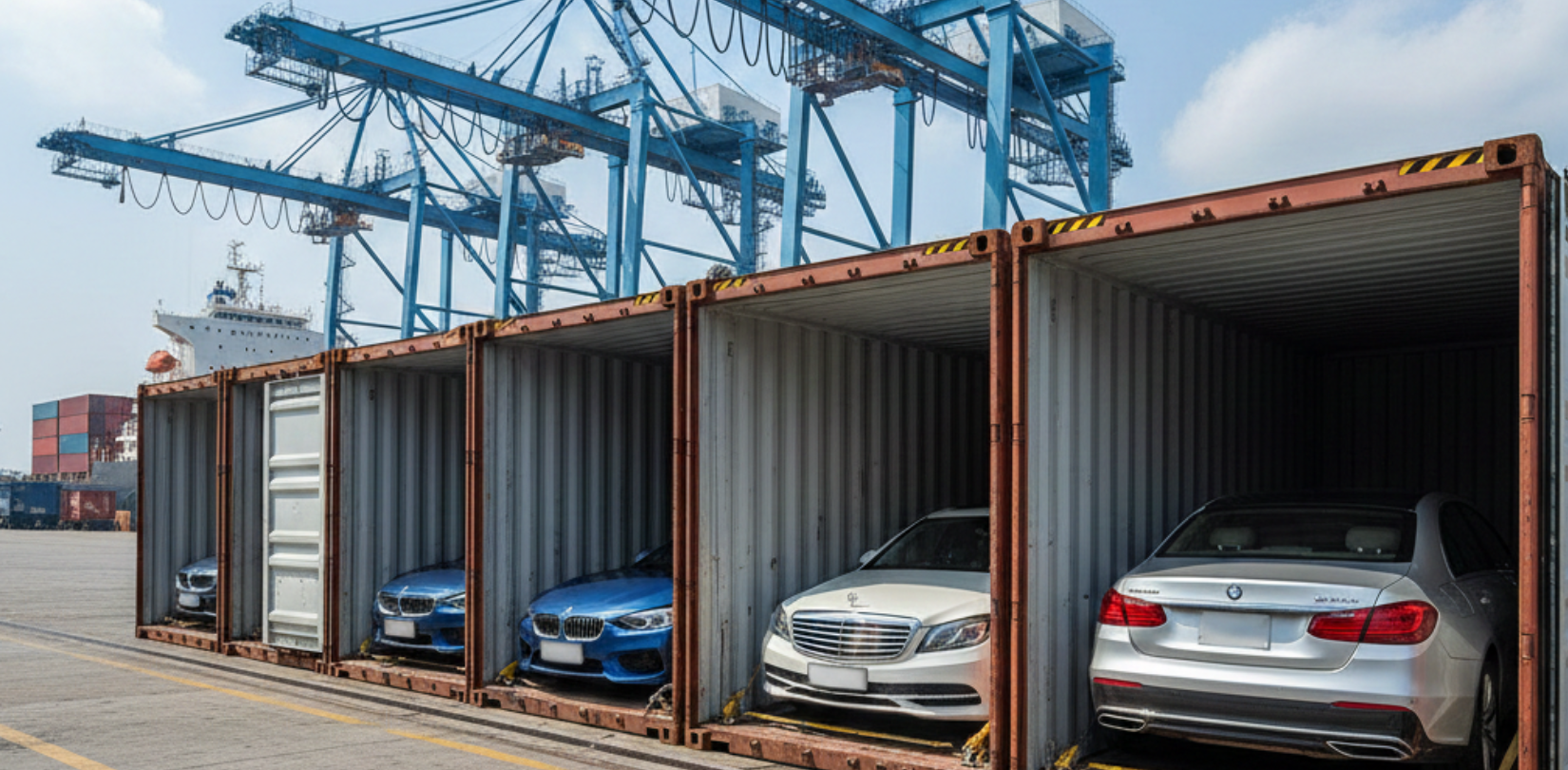
Importing a car into India is an expensive, complex, but legally possible process involving strict regulations, high customs duty (60-165%), and mandatory compliance with Indian safety and emission standards. Whether you want to import a luxury car from Dubai, a sedan from the UK, or a Tesla electric vehicle, India's import rules are among the world's most stringent. This guide explains the complete process, duty calculations, Carnet permits for temporary imports, compliance requirements, and
Customs Duty: Complete Guide to Import
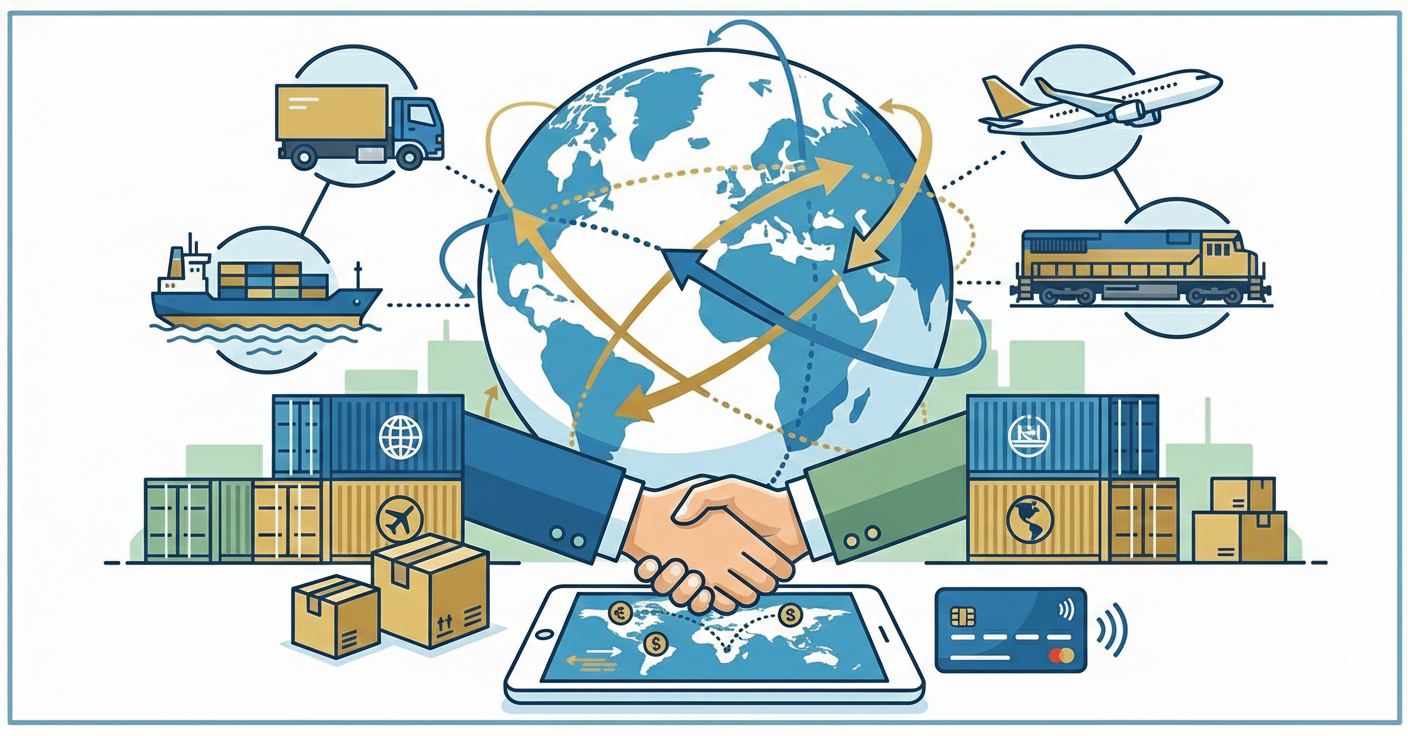
Customs duty is a tax imposed by the Indian government on goods imported into the country. It's calculated as a percentage of your goods' value and must be paid before customs releases your shipment. Customs duty protects Indian manufacturers from cheap foreign competition while generating government much needed revenue. It also helps in monitoring and controlling the movement of restricted and controlled goods. Understanding customs duty is very essential for accurate cost calculation and avoid

Types of Shipping Containers Used in Export-Import: Complete Guide 2026
Do you know, about 90% of manufactured goods and over 80% of all goods by volume are moved by shipping containers. Before containers existed, shipping was chaotic and expensive. Goods came in boxes of different sizes and shapes—sacks, barrels, wooden crates, boxes. Everything had to be manually loaded and unloaded by dock workers. One ship could take 3+ weeks just to be unloaded. In 1955, an American truck driver and entrepreneur named Malcolm McLean created the first metal box that can be lift
Complete Guide to Container Tracking and Container Types 2026
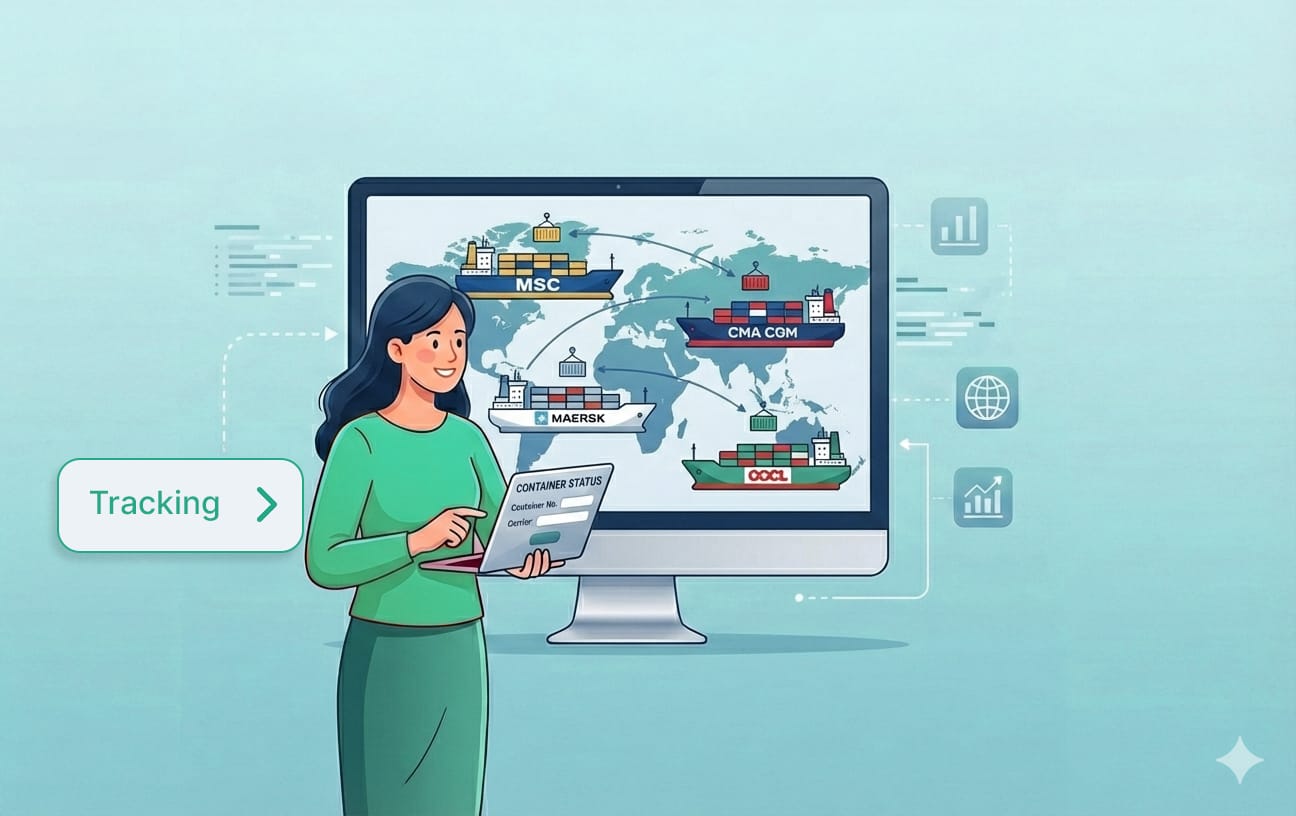
Container tracking is the real-time monitoring system that shows the exact location, status, and movement of your shipping containers throughout their journey from port of origin to port of discharge. Whether you're using MSC container tracking, CMA CGM container tracking, Maersk container tracking, or OOCL container tracking, these systems provide live updates on where your goods are, when they will arrive, and if there is any delays or issues occurring. Container tracking systems work by comb
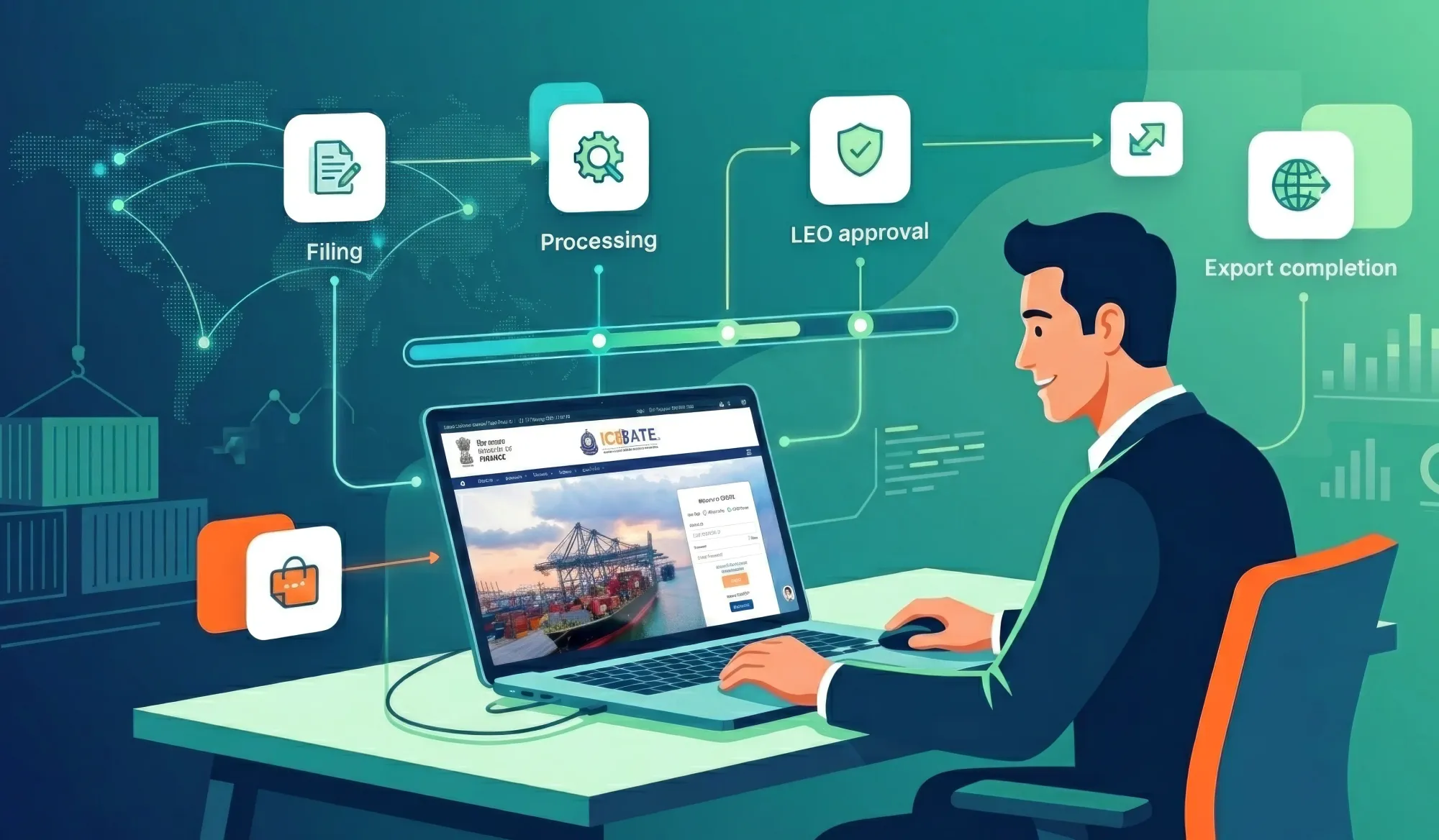
How to Check Shipping Bill Status on ICEGATE (Indian Customs Electronic Gateway) – Step by Step Guide 2026
Shipping Bill Status is the real-time customs clearance progress of your export shipment than can be tracked through ICEGATE (Indian Customs Electronic Gateway) . After your CHA files a Shipping Bill (export declaration) with Indian Customs, the SB (Shipping Bill) status shows whether your goods are approved, under processing, cleared for export (LEO granted), or if EGM has been filed by the shipping line. Tracking Shipping Bill status on ICEGATE is critical because it determines when your shi
What Is ICEGATE? Complete Guide to Registration, Login, Bill of Entry e-Payment
ICEGATE (Indian Customs Electronic Data Interchange Gateway) is the official online portal of Indian Customs where importers, exporters, and customs brokers file all customs documents electronically. ICEGATE enables electronic filing of Bills of Entry (imports), Shipping Bills (exports), IGM (Integrated Manifest), and online payment of customs duties. ICEGATE is the digital gateway for all international trade through India, managed by the Central Board of Indirect Taxes and Customs (CBIC). Under
What Is a Bill of Entry (BOE)? Complete Guide with BOE Status Meaning, IGST Process & Mistakes
A Bill of Entry (BOE) is the mandatory legal declaration an importer or their Customs House Agent (CHA) files with the Indian customs department when goods arrive at a sea port, airport, land port or ICD. It is the primary document in the customs clearance process, containing details such as the importer’s IEC and GSTIN, CHA code, description of goods, HS code, quantity, value, and applicable customs duties and taxes. Customs officers use the BOE to verify that your goods comply with Indian cus
What Is IEC Code? Full Form, Registration, Verification and Updation Check
IEC stands for Importer-Exporter Code, Before 2017 it used to be a 10-digit unique identification number but after introduction of GST in 2017 the Importer-Exporter Code for firms in India became the same as their PAN (Permanent Account Number), though you still need to apply it via the Directorate General of Foreign Trade (DGFT) under India's Ministry of Commerce and Industry. Without an IEC, no shipment can legally clear customs, and no government trade incentives can be accessed for import ex
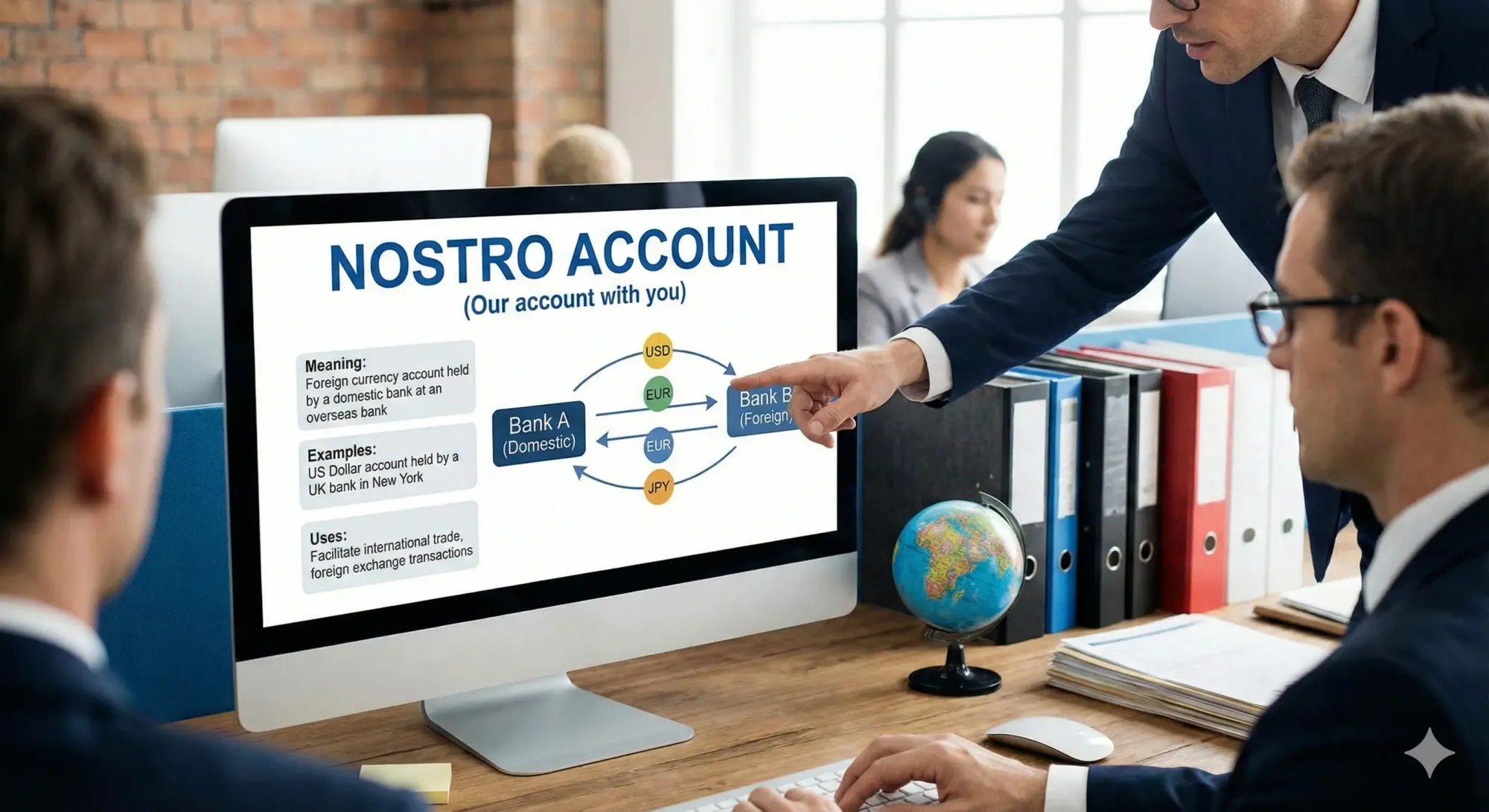
What is a Nostro Account in Banking? Meaning, Examples, and Uses
Trading with other nations often involves a lot of rules, procedures, and duties. Managing and sorting products that travel across borders is mainly done with the help of the Harmonized System Code — referred to as the HS Code. When you handle import and export, HS codes are important for putting your goods in the proper tax class and making sure they fit with all customs rules. Here, we are covering what an HS code means, why it plays a significant role, and how to get the proper HS code for y
Maximize Savings Under the Revised Income Tax Regime 2025-26
The Indian income tax landscape has been steadily evolving, with the "New Tax Regime" gaining prominence, especially after the significant revisions in Budget 2023, which continue into FY 2025-26 (Assessment Year 2026-27). This simplified regime, now the default choice, offers lower tax rates but fewer deductions and exemptions compared to the traditional Old Tax Regime. For many taxpayers, understanding how to maximize savings within this new framework can be a challenge. If you've opted for (
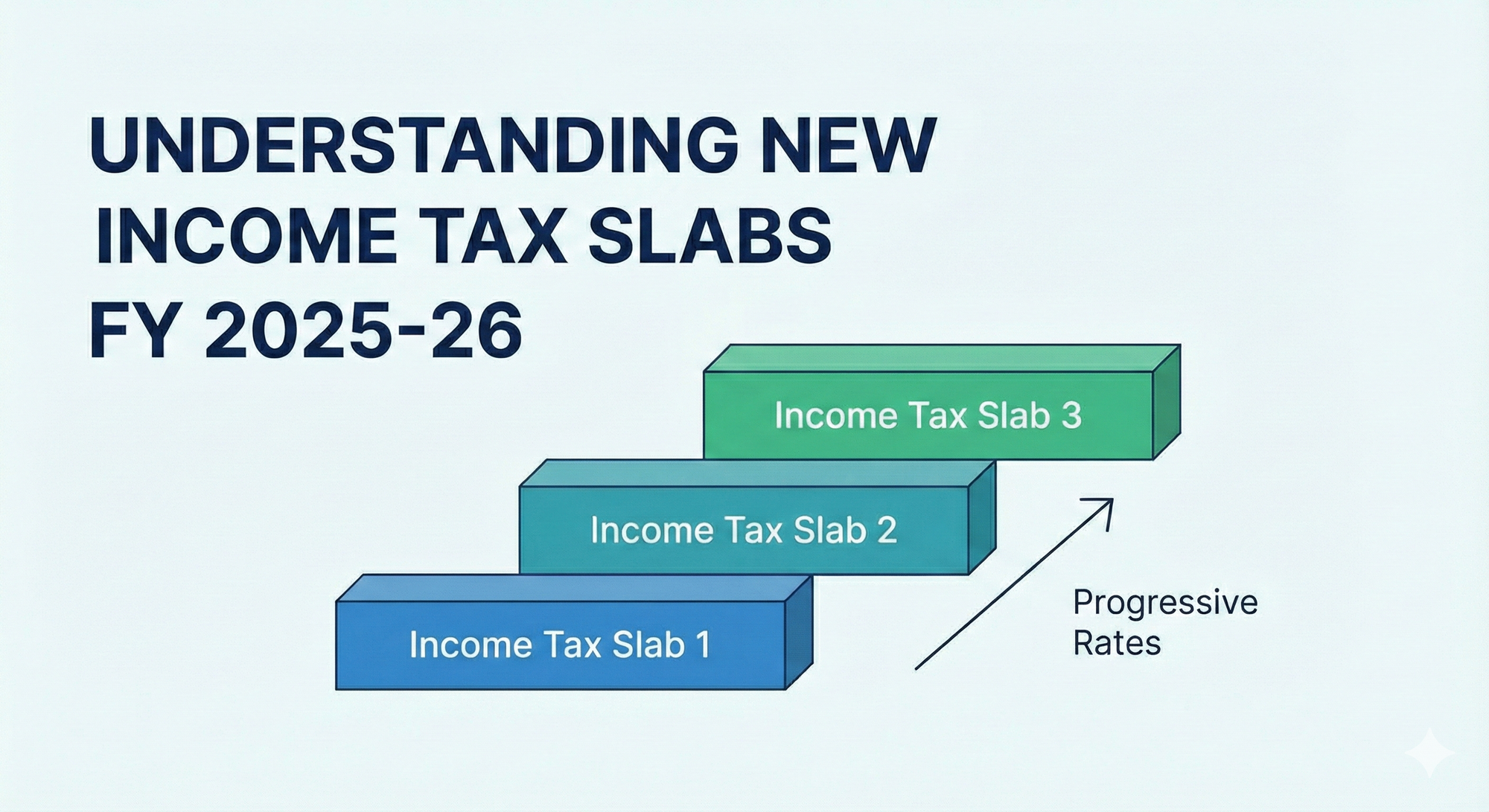
Understanding the New Income Tax Slabs for FY 2025-26: What You Need to Know
India's income tax system has seen substantial changes as a result of the Union Budget 2025–2026, most notably the "new tax regime." Every taxpayer must understand these changes as we enter the Financial Year 2025–26 (Assessment Year 2026–27) in order to efficiently manage their finances and minimize their tax obligations. This thorough guide will explain the new income tax slab rates, contrast them with the previous system, and highlight significant changes that may affect your tax-saving tacti
LRS Full Form and Meaning: Complete Guide to Liberalised Remittance Scheme
In today’s globalized world, Indian residents often need to send money abroad—whether for education, travel, medical expenses, or investments. To regulate and simplify outward remittances, the Reserve Bank of India (RBI) introduced the Liberalised Remittance Scheme (LRS). But many people still ask: What is LRS? What is LRS in banking? How much money can I send abroad under LRS? This guide provides a complete understanding of LRS—its full form, meaning, rules, limits, and usage—to help individu
What is a Payment Gateway? A Beginner’s Guide to Online Payments
With everything going digital, every business that wants to accept online payments should learn about payment gateway technology. As online shopping rapidly gains popularity in countries like India, payment gateways are playing a crucial role in ensuring transactions are both safe and easy to complete. At Eximpe, we believe it’s essential to make the online payment gateway clear, as this is the first step in building trust that helps a business grow. What is a Payment Gateway? A payment gatew
How to Open an International Trading Account from India: Step-by-Step Guide
Many Indian exporters and importers are now interested in simpler cross-border payments and finding ways to earn more sources of revenue. To engage in international business, you should open a trading account first. EximPe has prepared this straightforward guide explaining how to open an international trading account in India in 2025. What is an International Trading Account? With an international trading account, businesses in India can pay and receive settlements in various currencies, reac
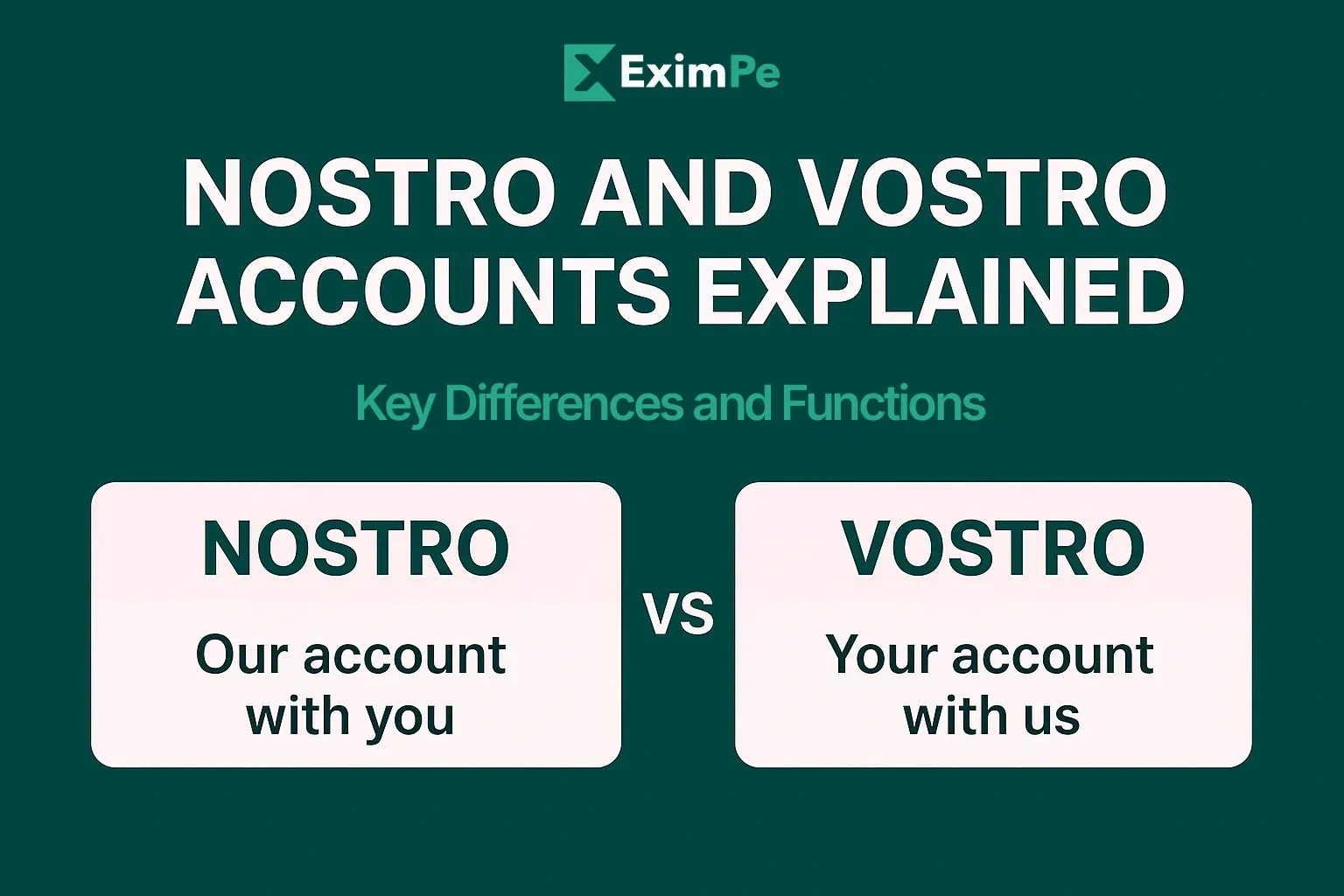
Nostro and Vostro Accounts Explained: Key Differences and Functions
In international banking, two terms frequently appear—Nostro Account and Vostro Account. These accounts play a critical role in facilitating global trade, foreign exchange transactions, and cross-border banking. While both accounts are linked to international financial transactions, they serve different functions and perspectives. This guide explains their meaning, features, differences, and real-world use cases in simple terms. What is a Nostro Account? A Nostro account is an account that a
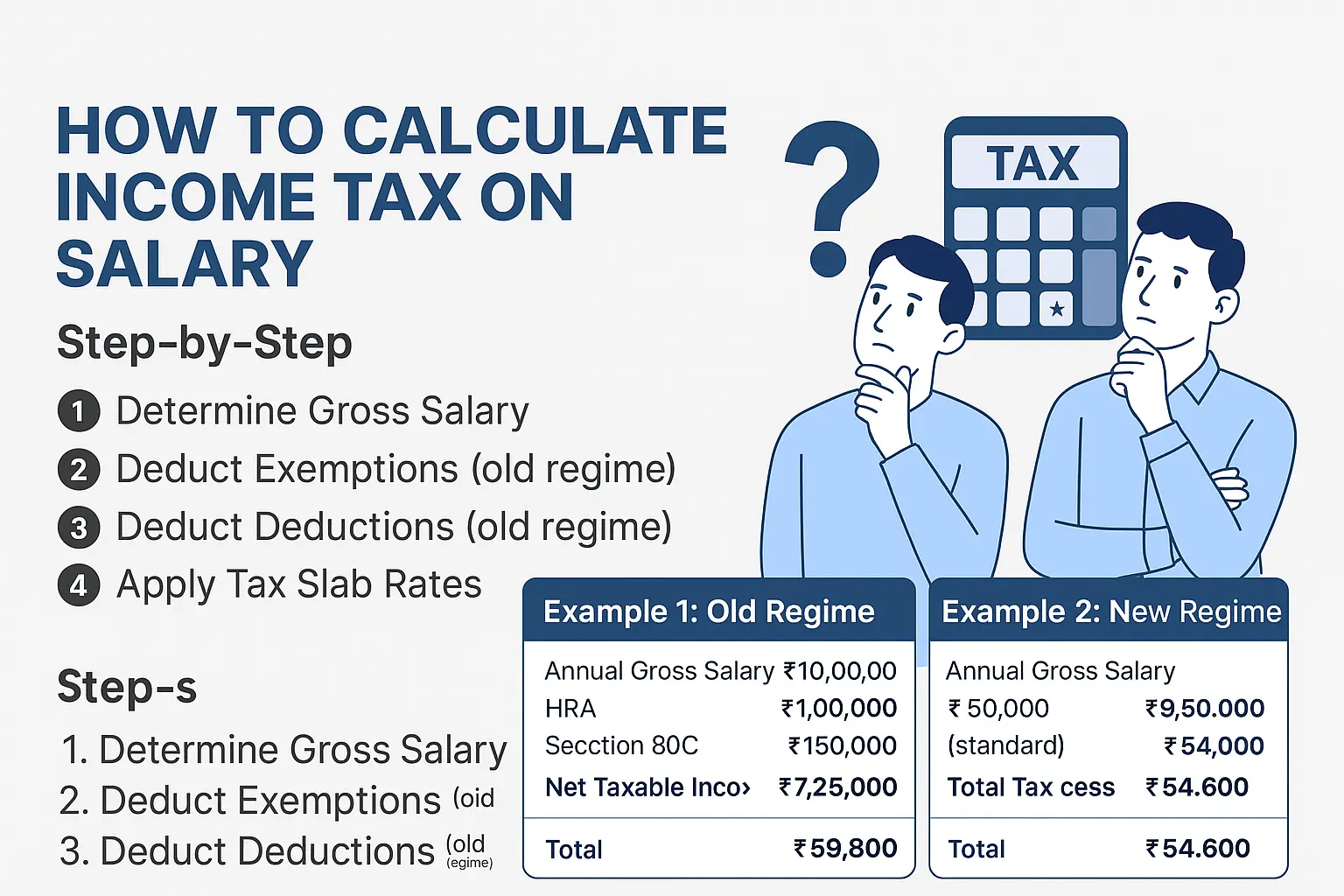
Income Tax Calculation for Salaried Employees: Explained with Examples
Filing income tax may seem overwhelming, especially when it comes to calculating how much you owe. But with a clear understanding of the process and current tax slabs, you can easily figure it out. This guide is designed to help salaried individuals understand how to calculate income tax on their salary—with real-life examples, for both the old and new tax regimes. Understanding the Basics of Income Tax Income Tax is the tax you pay on your income to the Government of India. As a salaried emp
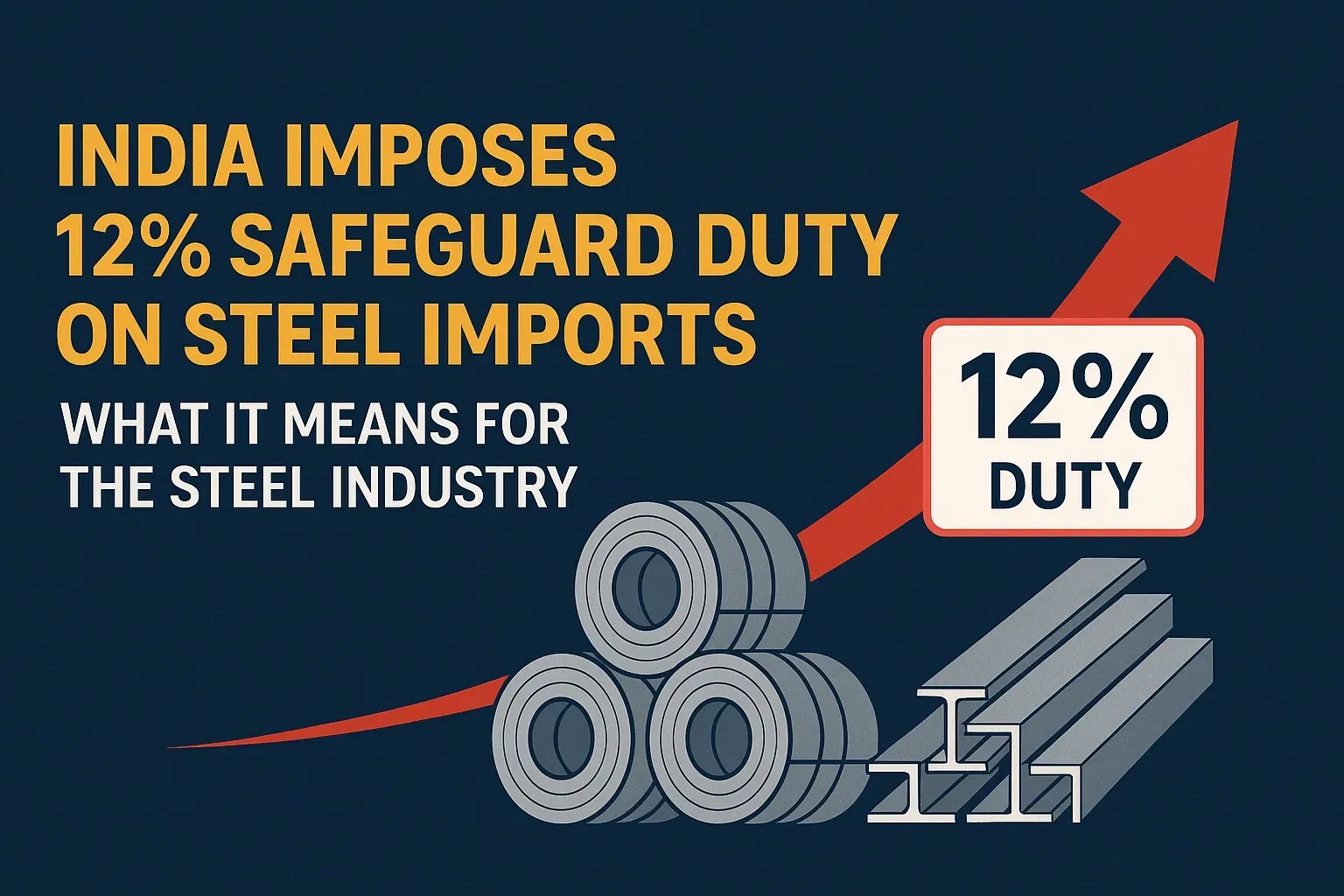
India Imposes 12% Safeguard Duty on Steel Imports: What It Means for the Steel Industry
There is a paradigm shift in the steel sector in India after the government announced a 12% safeguard import duty on selected flat steel products out of alloy and non-alloy categories for 200 days. The April 2025 announcement of the move is aimed at protecting domestic manufacturers from a flood of low-cost steel imports, chiefly from China and Vietnam. It will help restore competition in the market. Why the Import Duty on Steel Was Imposed India has finally become a net steel importer in the
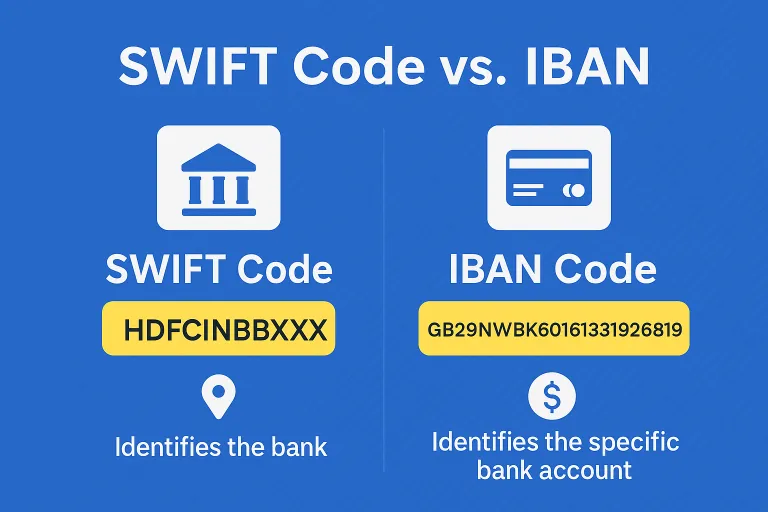
Is IFSC and SWIFT Code the Same? Know the Key Differences
Whether in the banking or the financial world, you find almost all the time where you have a myriad of codes meant to ease the conducting of transactions and secure them as well. Two of such codes, the Indian Financial System Code (IFSC) and the Society for Worldwide Interbank Financial Telecommunication (SWIFT) Code are common. While both serve to identify banks, a common misconception is that "is IFSC and SWIFT code same?" And the short response is that no, they are not. Understanding the dis
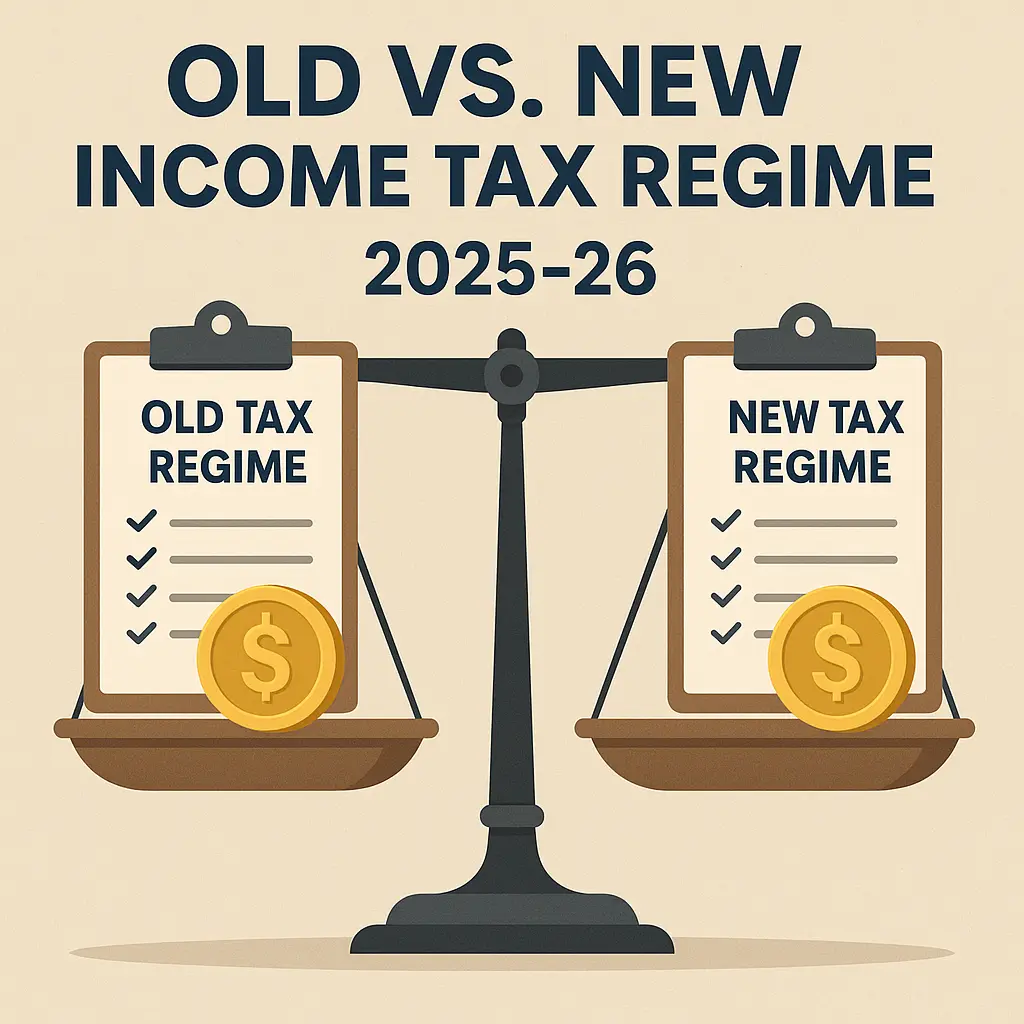
Old vs New Income Tax Regime in 2025-26: Which One Should You Choose?
The income tax scenario in India has witnessed some drastic changes in a span of next few years giving two broad avenues of filing taxes by a tax payer the usual old tax regime and the new and simplified tax regime. With the coming of the Financial Year 2025-26 (Assessment Year 2026-27), it would be important to know the intricacies of each regime to plan proper taxes. The system of the old income tax and that of the new income tax is not an automatic choice. Your level of income, the inclinati
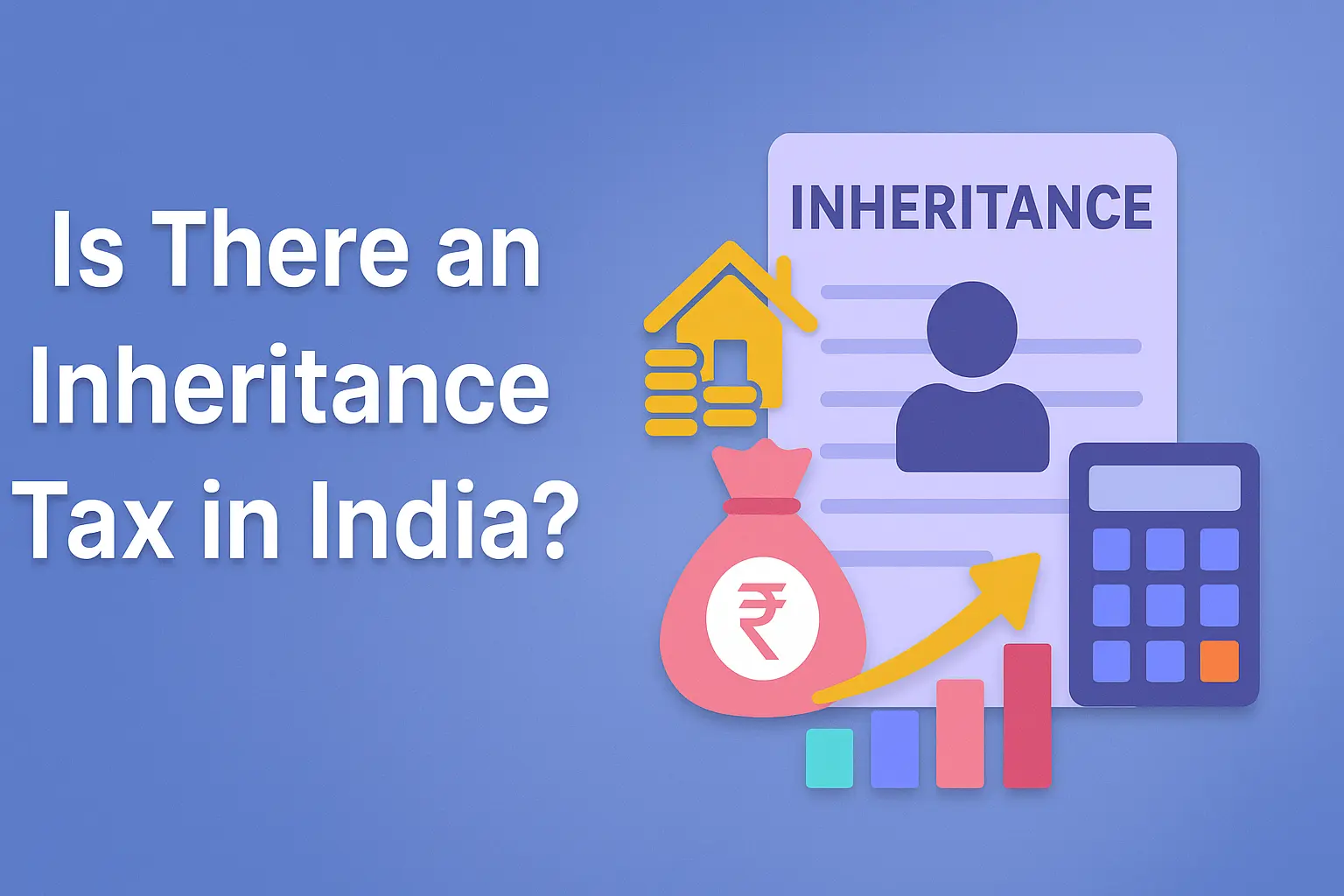
Is There an Inheritance Tax in India? Everything You Should Know
Inheritance tax is one of the topics that tends to confuse, and that is particularly true when it comes to those who are building their financial legacy. At Eximpe, we believe in providing you with the right information about your money matters to update you on how to make the best decisions in your ownership of your wealth. Here is all that you need to know about Inheritance tax in India in 2025. What is Inheritance Tax? Inheritance tax is a tax applicable to those individuals who inherit mo
What is EOU in Export? Benefits, Eligibility, and Compliance Rules
India has established several schemes to promote exports, and one of the most important among them is the Export Oriented Unit (EOU) scheme. EOUs play a vital role in boosting India’s foreign exchange earnings by producing goods exclusively for export. In this blog, we’ll break down the EOU full form, EOU meaning, eligibility criteria, benefits, compliance requirements, and how EOUs differ from SEZs. EOU Full Form and Meaning The full form of EOU is Export Oriented Unit. An EOU is a unit es
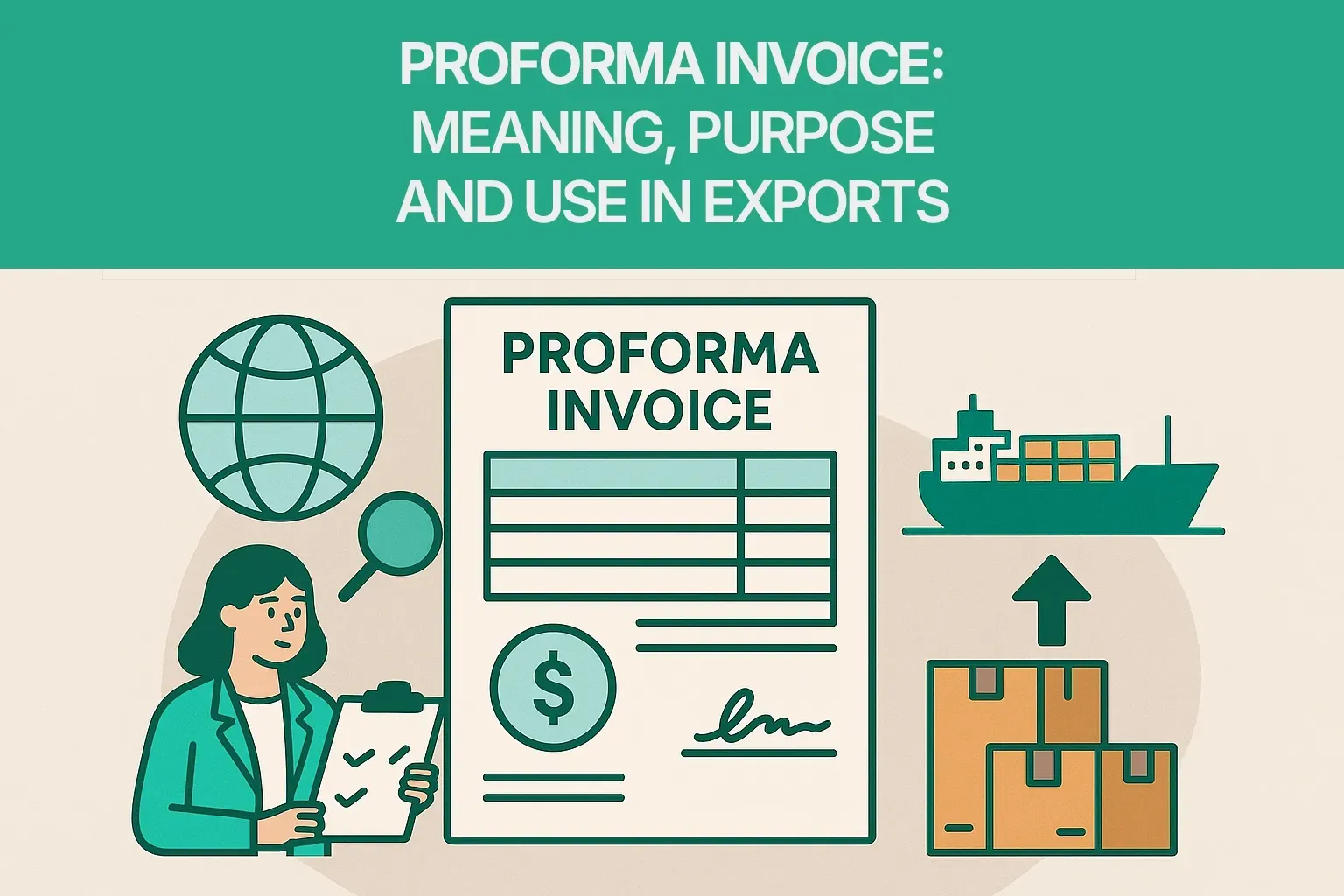
What is a Proforma Invoice? Meaning, Purpose, and Use in Exports
A proforma invoice is a preliminary bill of sale sent to a buyer before a transaction is completed. It outlines the details of the proposed sale—including the products or services, quantities, value, delivery information, and payment terms—but it’s not a legally binding document or a formal demand for payment. “Pro forma” is Latin for “for the sake of form.” This guide by EximPe serves as an estimated invoice or quote, establishing the seller’s intent and detailing what the buyer should expect
Complete Freight Cost Calculation Guide 2026: Master Air, Sea, and Road Shipping
Freight cost is where most Indian importers and D2C brands get surprised, the shipping line quote looks low, but by the time you add local charges, duties, and delays, the landed cost explodes. This guide breaks down how to calculate freight cost for sea, air, and road in simple steps, so you can predict your total landed cost and choose the right mode for each shipment. What Exactly Is Freight Cost? (Vs Total Landed Cost) In simple terms, freight cost is what you pay to move cargo from point
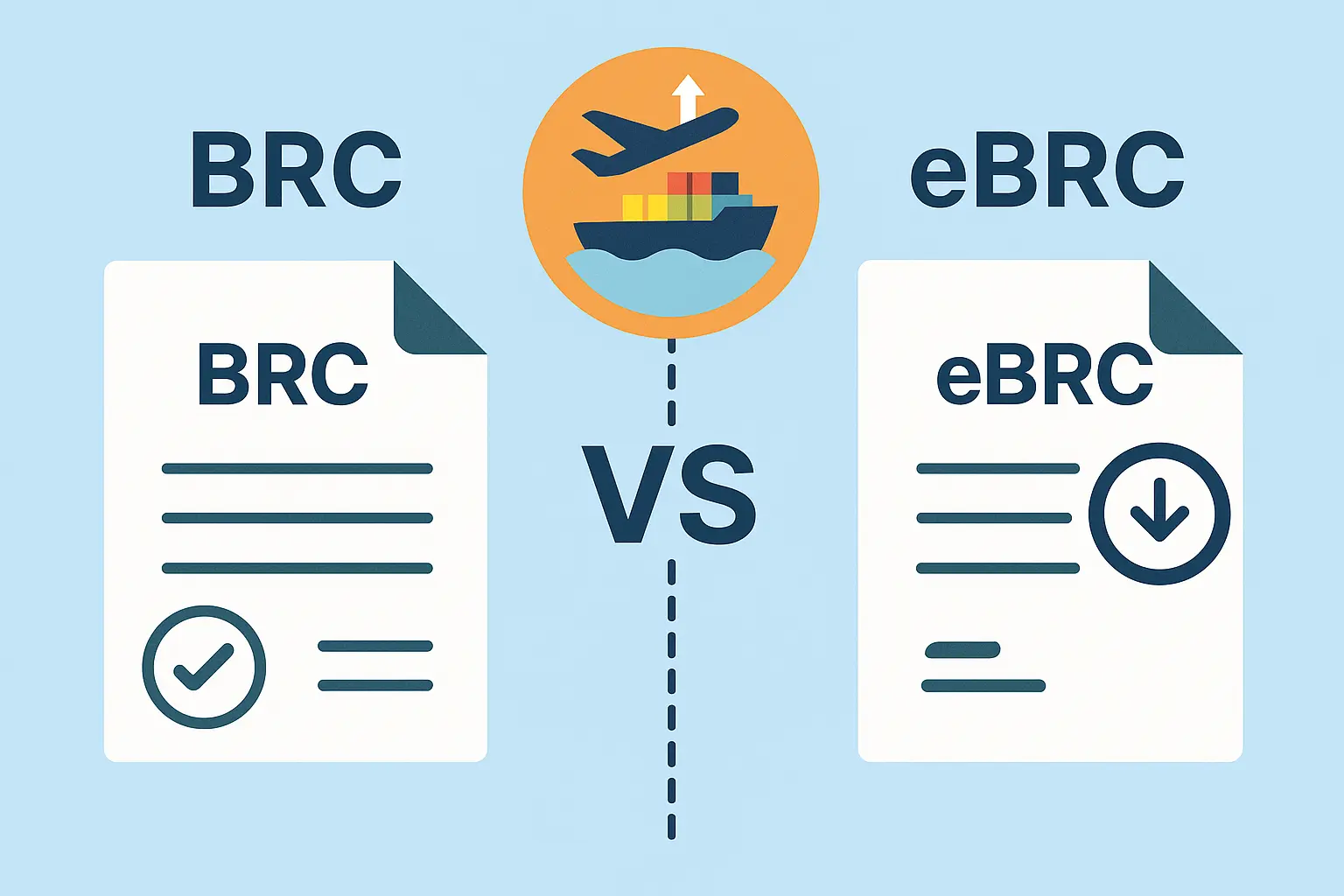
BRC vs eBRC: What’s the Difference in Export Documentation?
The use of appropriate and correct documentation in the complex world of international trade is all important as the commodity or the services being dealt in. To the Indian exporters, their main concern is to demonstrate that payments of foreign currency of their export goods that they sent abroad have been successfully achieved and have found their way back into India. Here is where such terms as BRC and eBRC are used. Though both are more or less similar with regards to their primary nature,
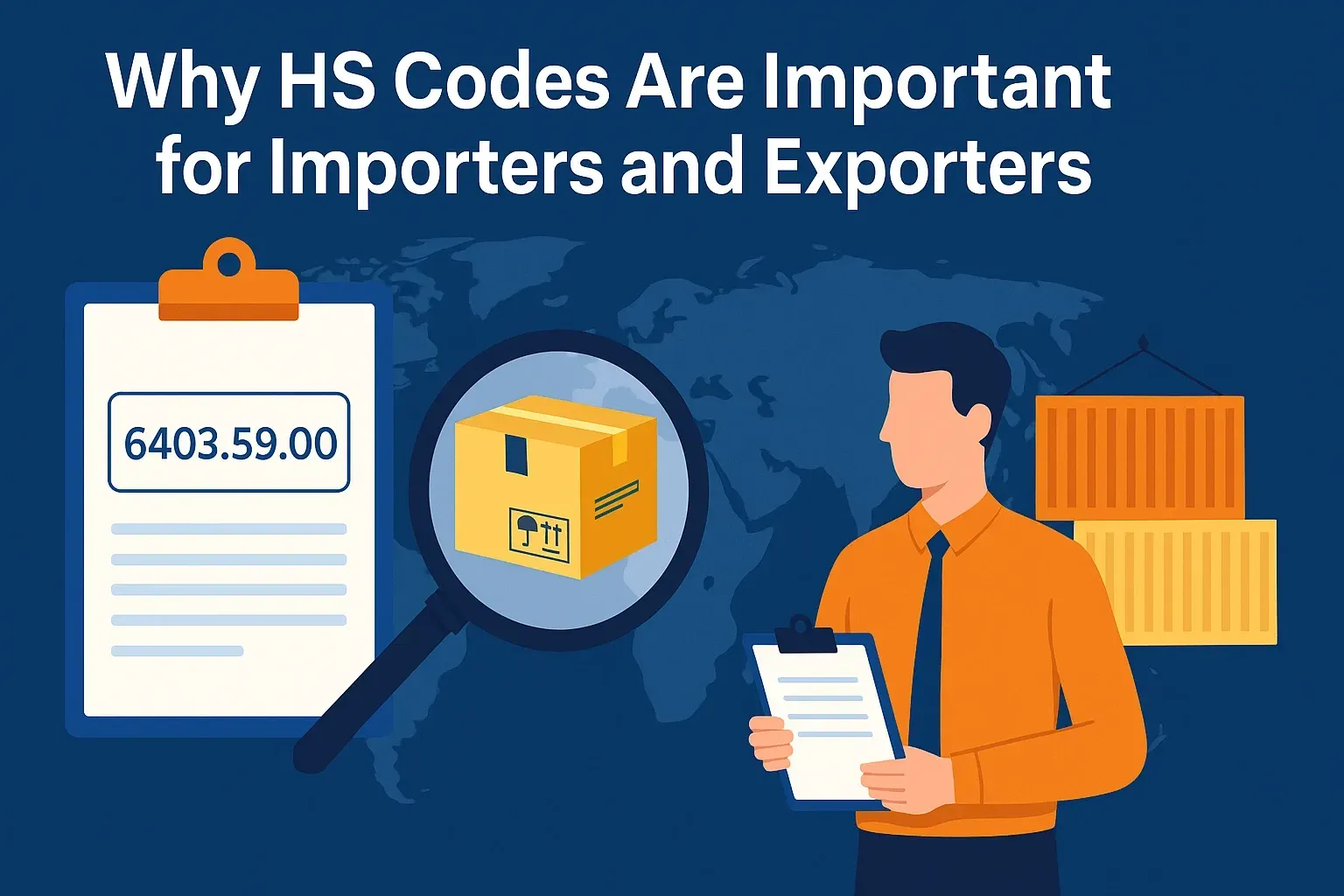
Why HS Codes Are Important for Importers and Exporters
The main support of the world economy is international trade, which connects countries and enables businesses to develop abroad. Still, taking advantage of this opportunity is complicated, since it means dealing with trade customs, rules, duties, and paperwork. Everything becomes easier to handle because of the Harmonized System (HS) Code. If your business deals with import or export, HS codes are very important to learn about to prevent not having your goods cleared on time. What Is an HS Cod
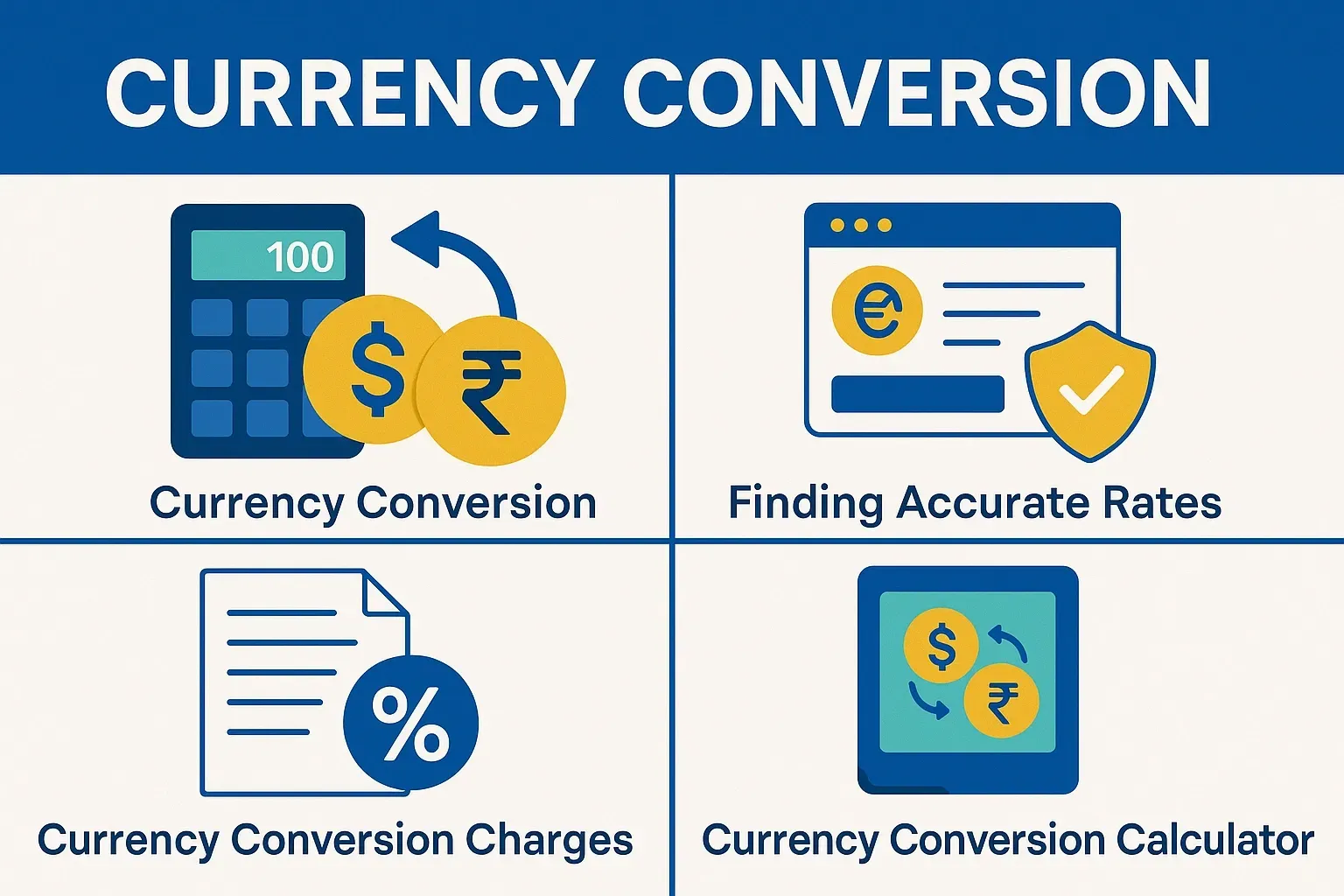
The Ultimate Guide to Currency Conversion: Everything You Need to Know
These days, currency conversion plays an important role in trading internationally, going on business trips, and buying anything online. Nobody expects to be ripped off when they exchange money while doing international transactions, be it business or personal, such as moving to another country as an expatriate, shopping online or importing and exporting goods or services. As for anyone who's ever tried it themselves, EximPe has made currency conversion as simple, efficient, and inexpensive as i
How Do Exchange Rate Fluctuations Affect International Trade?
Given the current globalized economy, the fluctuating exchange rates are a normal part of the daily life of the companies that operate in international markets. At Eximpe, we know that currency fluctuation is not a mere capital word. It is a key determinant of strategies, profits, and competitiveness of cross-border trade. This blog shows how currency fluctuations affect international trade, the real implications for companies and self-pragmatic methods of dealing with adverse rates in exchange.
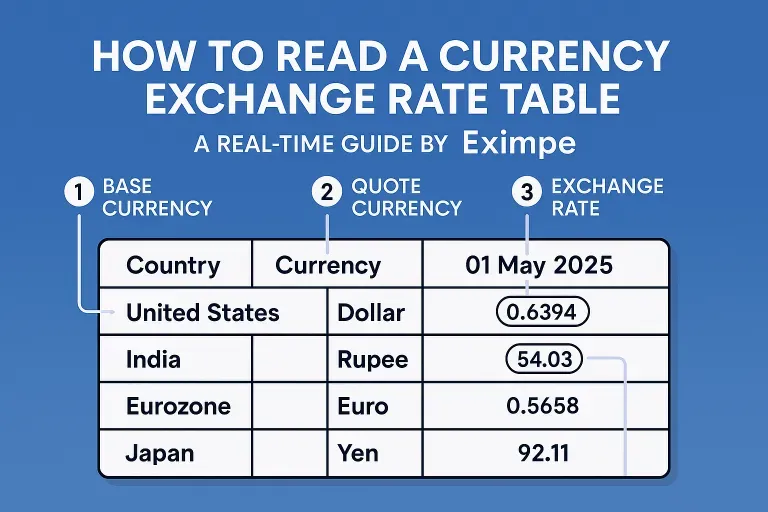
How to Read a Currency Exchange Rate Table: A Real-Time Guide by Eximpe
It is important to understand exchange rates when trading or investing/carrying out business internationally or planning for a trip to another country. At Eximpe, we also understand that a currency exchange rates table is not so easy to interpret at first sight, but once you master how it works, you can do it independently at any given time. This guide aims to enable the readers to be well-equipped to accurately read and understand currency exchange rate tables today What Are Currency Exchange
What is an EEFC Account? Full Form, Meaning, and RBI Guidelines Explained
International trade involves continuous foreign currency inflows and outflows. For Indian exporters, managing foreign exchange efficiently is critical to minimizing conversion costs and maintaining liquidity. To support exporters, the Reserve Bank of India (RBI) introduced the EEFC Account, a facility that helps businesses retain foreign currency earnings in India. This guide explains the EEFC account full form, meaning, benefits, eligibility, and RBI guidelines, making it easy for businesses t
What is Custom Duty? Meaning, Types, and How It Works
For individuals and businesses involved in global trade, knowing “what is custom duty” is essential. With the growth of worldwide trading, paying customs duty played a crucial role in the import and export business. Here is a detailed overview of what customs duty is, the types of customs duty and the customs duty process in India in 2025. What is Custom Duty? A customs duty refers to a type of tax levied on the products taken through the border between diverse nations. Customs duty also cons
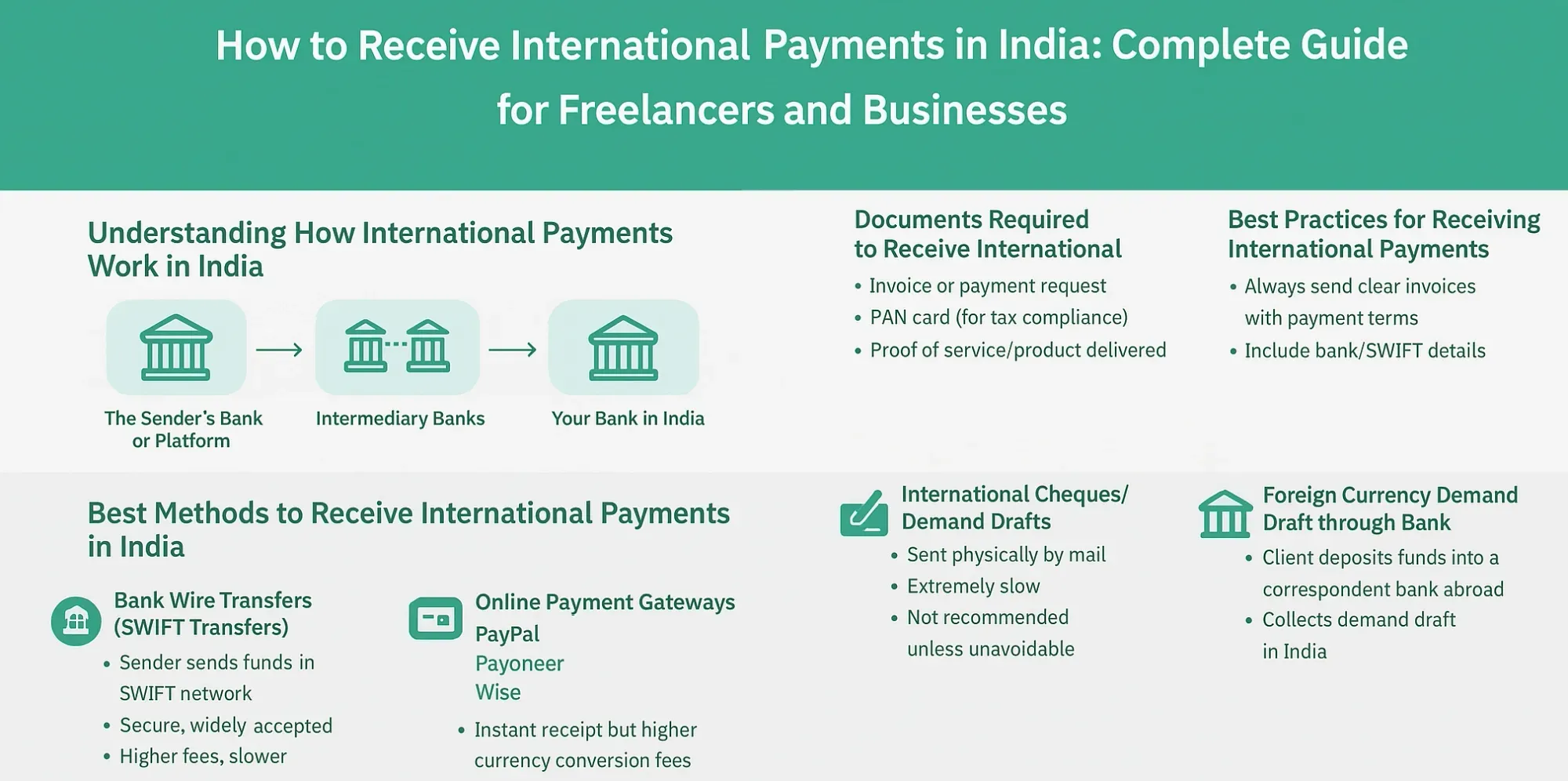
How to Receive International Payments in India: Complete Guide for Freelancers and Businesses
Working with overseas clients can be highly rewarding—but getting paid across borders can be tricky if you’re not familiar with the process. Whether you’re a freelancer, startup, or established business, receiving international payments in India requires the right banking setup, compliance with regulations, and knowledge of available transfer options. This guide explains the methods, costs, documentation, and best practices to ensure you get your payments securely and on time. Understanding H
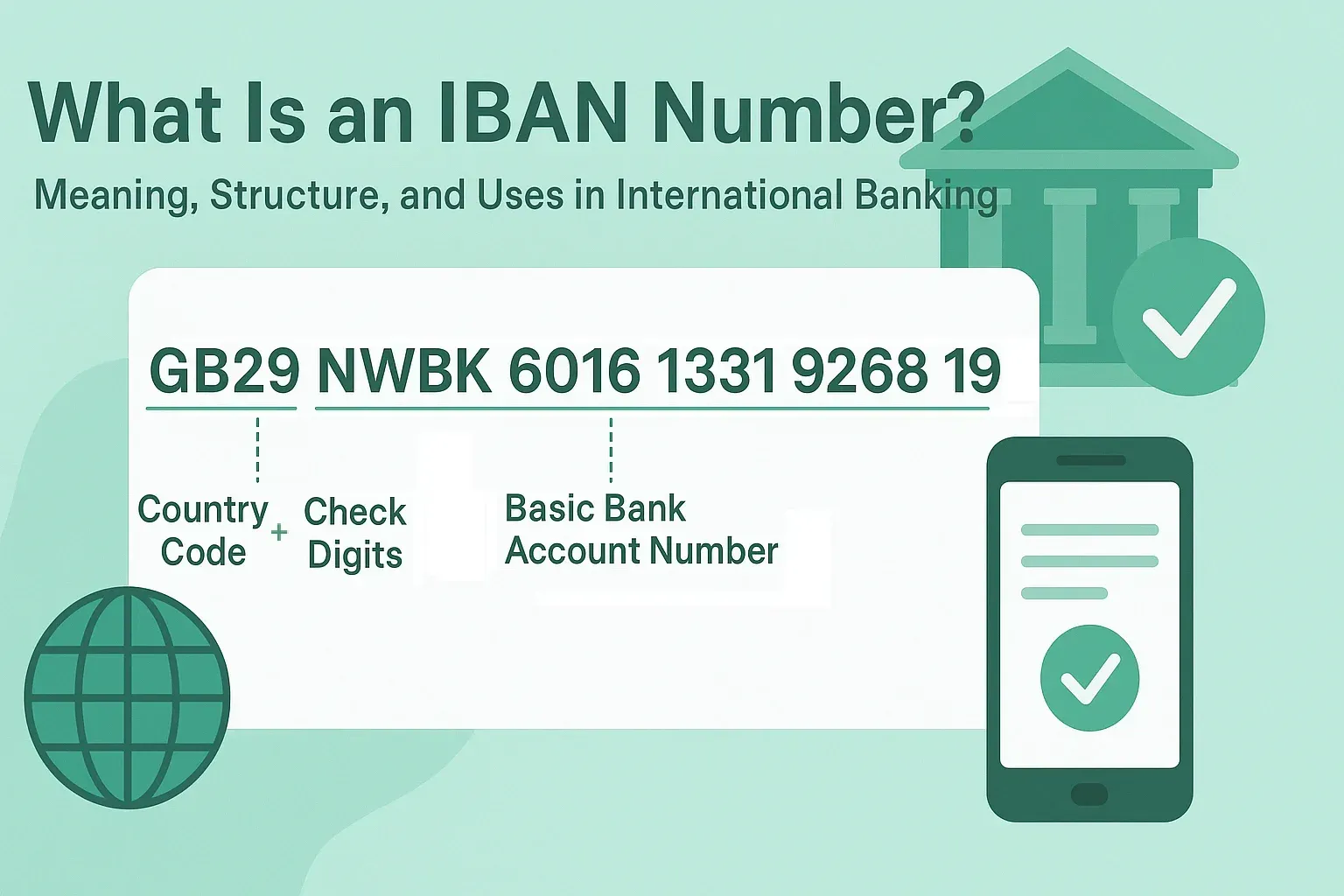
What Is an IBAN Number? Meaning, Structure, and Uses in International Banking
If you’ve ever sent or received money internationally, you might have been asked for your IBAN number. For many, this sparks confusion—especially in countries where IBAN isn’t part of domestic banking. This guide by EximPe explains what an IBAN number means, why it exists, how it’s structured, and how it’s used in cross-border banking. We’ll also cover its relevance in India. What Does IBAN Number Mean? IBAN stands for International Bank Account Number. It’s a standardized way of identifying
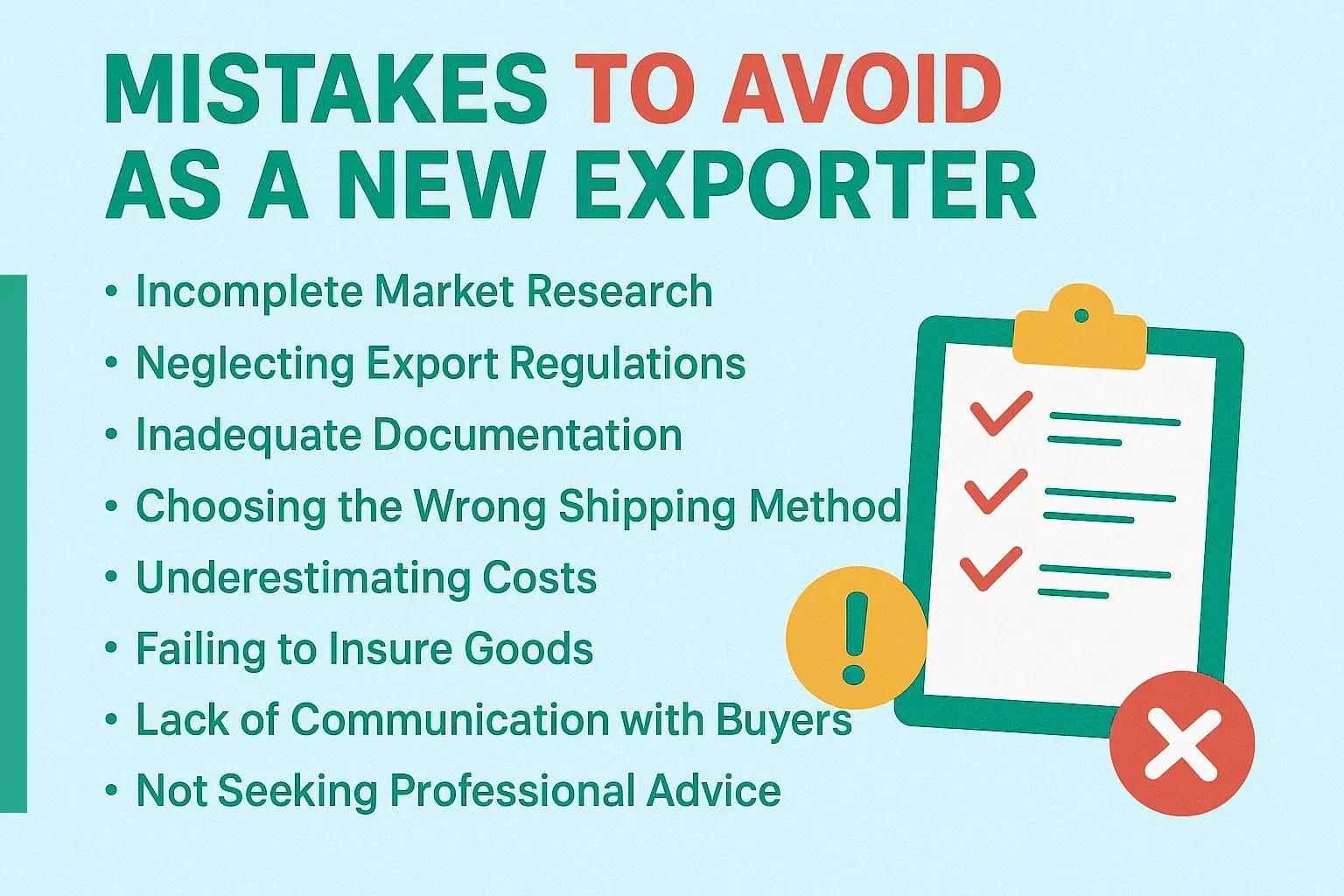
Mistakes to Avoid as a New Exporter
Venturing into the export market can be thrilling, as it presents a great avenue for expansion and growth; however, it presents distinctly different challenges that may strike fear in the hearts of new exporters. There is an absolute call for knowledge and shunning the common pitfalls in establishing an export business. Accordingly, this article focuses on common export mistakes new exporters often commit and casts more light on how to glide about the pitfalls successfully. Incomplete Market R
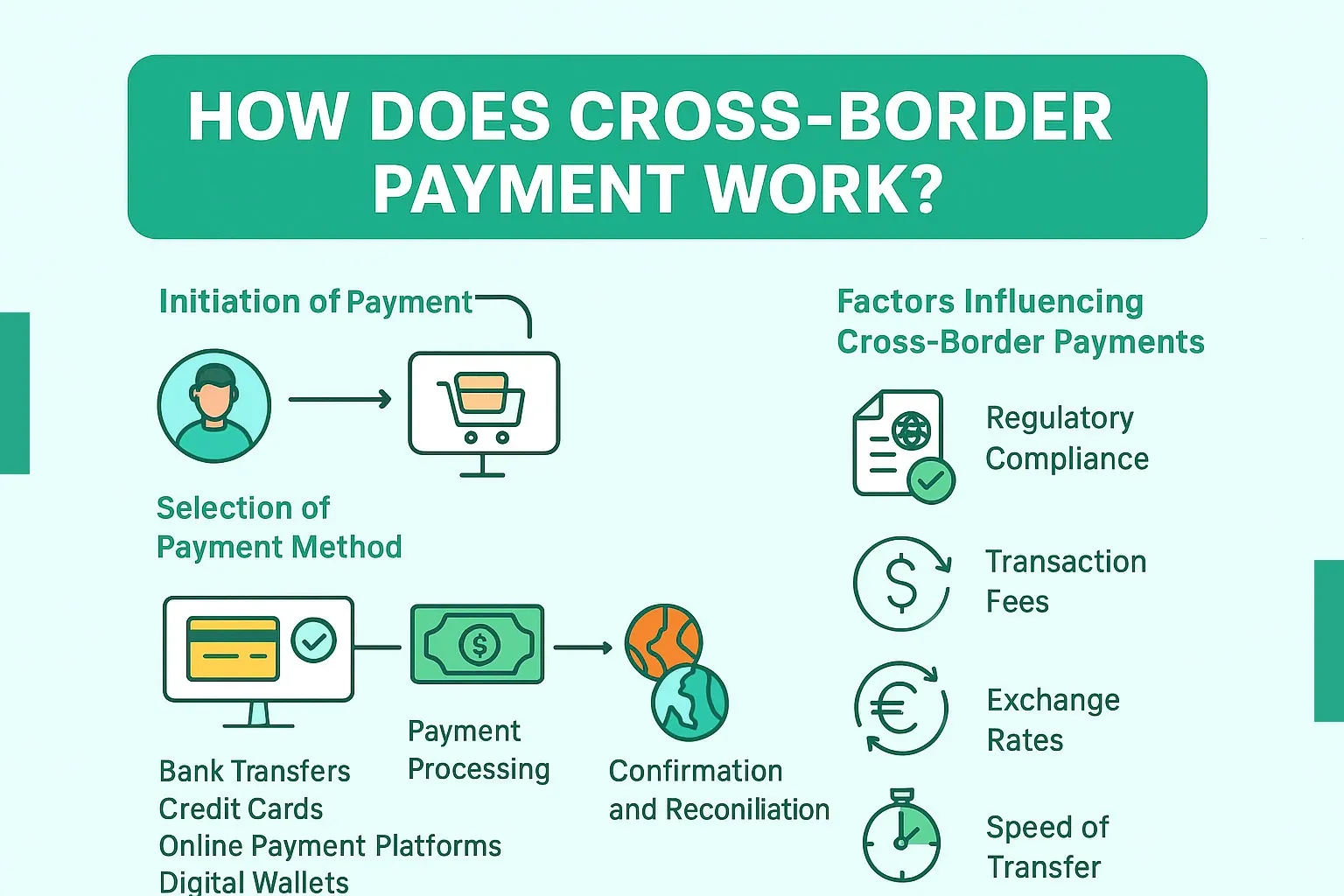
How Does Cross-Border Payment Work?
An increasingly globalized economy created an encouraging situation for cross-border payments. It has enabled businesses to buy and sell goods and services across borders, thus encouraging trade and commerce. However, making cross-border payments is quite complicated, and it involves a number of steps, regulations, and financial institutions. It takes it upon itself to unravel how cross-border payments work, the methods available, and the factors that influence these transactions. Understandin
Tax Planning Strategies for International Freelancers: Country-Wise Guide
Freelancing provides the flexibility to work with clients all over the world. Still, at the same time, it also comes with unique tax challenges, especially for Indian freelancers dealing with international income. Knowledge of the nuances of tax obligations in other countries can save you a lot of money and also ensure compliance. This guide covers essential tax planning strategies tailored for Indian freelancers working with international clients. Understanding Your Tax Obligations An Indian

Managing Multiple Currencies: A Freelancer's Guide to Exchange Rate Optimization
Managing multiple currencies is an essential aspect for freelancers, especially in India, where the freelance economy is booming. By the beginning of 2025, India's freelance market is expected to be between $20 billion and $30 billion, with international clients being a big catalyst for growth. This blog aims to help freelancers optimize exchange rates effectively and manage multiple currencies efficiently. Understanding the Freelance Landscape in India The number of freelancers has skyrocket
AEPC Registration and Subsidy Schemes for Apparel Exporters
The apparel industry is an important sector of the Indian economy, contributing greatly to the employment and export earnings of this country. The Apparel Export Promotion Council (AEPC) is set to play a significant role in growth facilitation and support for apparel exporters. It will discuss the process for AEPC registration, its benefits to apparel exporters, and an overview of the subsidy schemes available to apparel exporters to enhance the competitiveness of exporters in the international
Simplify Your International Payments
Skip the complexity of traditional wire transfers with EximPe's smart payment solutions
Lightning Fast
Complete international transfers in hours, not days, with real-time tracking
Bank-Grade Security
Multi-layer encryption and compliance with international banking standards
Global Reach
Send payments to 180+ countries with competitive exchange rates
Why Choose EximPe for International Payments?
EximPe Support
How can we help you with your global payments today?
Stay Informed with EximPe News
Subscribe to our newsletter for the latest updates on import-export regulations, market trends, and exclusive insights from industry experts.